
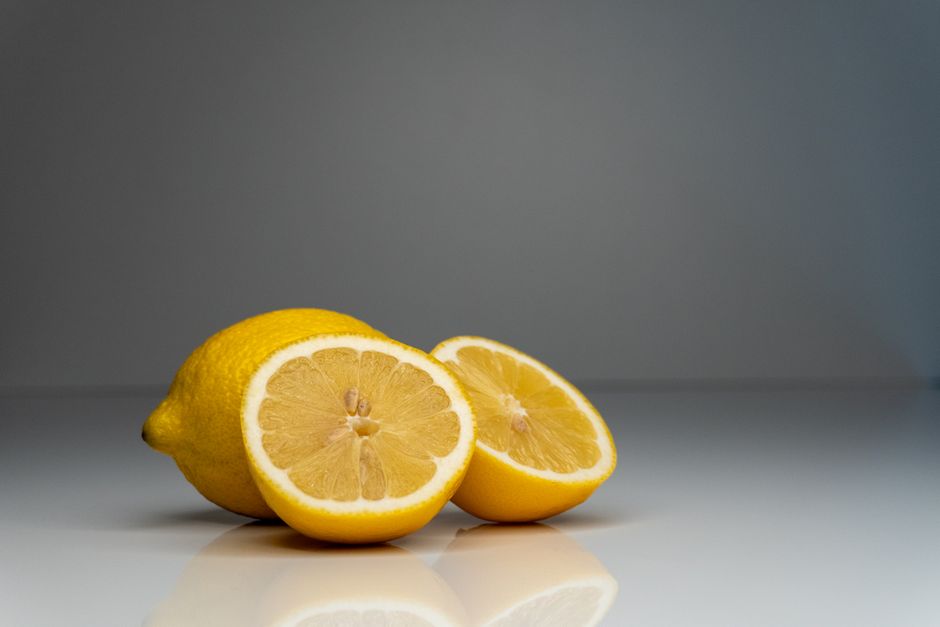
Citric acid is one of the few pantry staples that genuinely crosses over from cooking to cleaning. The same white powder that gives sour candy its bite can dissolve hard water spots, brighten a stained kettle, and loosen mineral buildup on a showerhead. It works because it is an acid, and the minerals that cause most household crust and film are alkaline. Acid plus mineral base equals a reaction that breaks the deposit apart.
So what can you do with citric acid food to cleaning? You can descale kettles, coffee makers, and humidifiers. You can remove hard water stains from glass, faucets, and tile. You can clean a dishwasher, refresh a toilet bowl, and strip mineral film from produce. It is not a disinfectant, it does not kill germs, and it should never be mixed with bleach. Used within those limits, it is one of the most useful single-ingredient cleaners you can keep on hand.
What Is Citric Acid and Why Does It Clean?
Citric acid is a weak organic acid found naturally in citrus fruit. The powder sold for food use is usually made by fermenting a sugar source, most often corn, with the mold Aspergillus niger, then crystallizing the result. Food-grade citric acid is the same compound whether you buy it for canning or for cleaning.
The cleaning action comes from a chemical process called chelation. Citric acid molecules bind to dissolved metal ions, particularly calcium and magnesium. Those two minerals are what make water “hard,” and they are what form the white scale on a kettle, the cloudy film on a glass, and the crust around a faucet base. When citric acid binds calcium, the mineral stays suspended in the water instead of re-depositing on the surface. Rinsing carries it away.
Two things citric acid does not do. It does not kill bacteria or viruses in any reliable way, so it is not a substitute for a disinfectant. And it does not dissolve grease, which is a fat and needs a surfactant or a base to break down. Keep those limits in mind and it will do its job well.
How Do You Descale a Kettle or Coffee Maker With Citric Acid?
Descaling is the single best use for citric acid. Electric kettles, drip coffee makers, and espresso machines all accumulate mineral scale on their heating elements. Scale insulates the element, so the machine works harder and takes longer to heat. Removing it restores performance.
A common approach is roughly one to two tablespoons of citric acid powder per liter or quart of water. The exact ratio is not critical for descaling — more acid speeds the reaction, less just takes longer. For a kettle, fill with water, add the powder, bring to a boil, then let it sit. You will often hear or see the scale fizzing as it dissolves. Pour the solution out, rinse thoroughly, then boil fresh water once and discard it to clear any residual taste.
For a coffee maker, pour the solution into the reservoir and run a brew cycle without coffee grounds. Let it sit in the carafe for a few minutes, then run two or three cycles of plain water to flush the system. Check your machine’s manual first — some manufacturers specify a cleaning method, and following it protects your warranty.
Do not use citric acid on aluminum. It reacts with the metal and can pit or discolor the surface. Stainless steel, glass, ceramic, and most plastics are fine.
Can Citric Acid Remove Hard Water Stains From Glass and Fixtures?
Yes, and it does this better than scrubbing. Hard water stains are mineral deposits, so dissolving them is more effective than abrading them. Abrasive scrubbing can scratch glass and dull chrome, which then traps more minerals and makes the problem worse over time.
For a spray bottle, dissolve about one to two tablespoons of citric acid in a cup of warm water. Warm water dissolves the powder faster. Spray the surface, let it sit, then wipe and rinse. For heavier buildup, make a paste with a small amount of water and a larger amount of powder, apply it, and leave it for several minutes before wiping.
For showerheads, remove the head if possible and soak it in a citric acid solution. If it does not detach, fill a plastic bag with the solution, tie it around the head, and leave it overnight. Mineral deposits inside the nozzles will soften and flush out.
One caution worth knowing: acid can damage natural stone. Marble, travertine, and limestone are calcium-based, which means citric acid will etch them. It literally dissolves the surface. Keep citric acid solutions off those materials and use a pH-neutral stone cleaner instead.





What Else Can You Clean With Citric Acid?
Once you understand the mineral-dissolving mechanism, the list of uses follows naturally. Anything with hard water film or mineral crust is a candidate.
- Dishwasher: A cup of citric acid powder placed in the bottom and run through a hot cycle can help remove scale inside the machine. Some people also add it to the rinse aid compartment.
- Toilet bowl: Pour in a cup of powder, add hot water, and let it sit for several hours or overnight. The acid loosens mineral rings. Flush and scrub.
- Washing machine: Running a hot cycle with citric acid can help clear detergent and mineral residue from the drum.
- Humidifier: Soaking the tank and base dissolves the white scale that builds up from tap water.
- Produce: A dilute citric acid solution is sometimes used to slow browning on cut fruit and vegetables, and it appears in some commercial produce washes. It does not sanitize produce.
- Glassware and dishes: Adding a small amount to the rinse water can reduce spotting from hard water.
Citric acid is also the active ingredient in many commercial descaling and “eco” cleaning products, which is worth knowing because buying the powder directly is far cheaper per use.
What Are the Safety Rules for Cleaning With Citric Acid?
Citric acid is food-grade and low in toxicity, but “food-grade” does not mean “no precautions needed.” Concentrated powder and strong solutions can irritate skin, eyes, and airways.
Never mix citric acid with bleach or any chlorine product. Mixing an acid with bleach releases chlorine gas, which is dangerous to breathe. This is the most important rule on this page. Keep them completely separate, and never combine them in the same container or on the same surface at the same time.
Wear gloves if you have sensitive skin, and avoid breathing the fine powder when you scoop it. Open a window when using it in an enclosed space like a bathroom. Keep the container out of reach of children and pets, and store it dry — moisture causes the powder to clump.
Do not store mixed solutions in metal containers. Use glass or plastic. And test any new solution on a small hidden area first, especially on colored grout, natural stone, or anything with a specialty finish.
How Does Citric Acid Compare to Vinegar and Baking Soda?
These three are often treated as interchangeable, and they are not. Each has a different chemistry and a different best use.
| Cleaner | Chemistry | Best for | Limits |
|---|---|---|---|
| Citric acid | Weak acid, chelating | Hard water scale, mineral deposits, descaling | No disinfection; etches natural stone |
| White vinegar | Weak acid (acetic) | Light mineral film, some odors | Weaker on heavy scale; strong smell |
| Baking soda | Mild base | Gentle abrasion, neutralizing acids, deodorizing | Does not dissolve mineral scale |
Citric acid generally outperforms vinegar on heavy mineral scale because it chelates calcium more effectively and does not leave the sharp vinegar smell. Baking soda works on a different problem entirely — it is a base, so it neutralizes acids and provides gentle scrubbing, but it will not dissolve the calcium deposits that citric acid targets.
The popular idea that mixing vinegar and baking soda creates a powerful cleaner is mostly a myth. The two largely cancel each other out, leaving a fizzing water solution with mild cleaning ability. The fizz looks impressive but does little of the work. If you want to remove scale, use the acid alone.
Frequently Asked Questions
Is food-grade citric acid safe to use for cleaning?
Yes, food-grade citric acid is the same compound used in both cooking and cleaning, and it is low in toxicity. It can still irritate skin and eyes in concentrated form, so gloves and ventilation are sensible.
Can I mix citric acid with bleach?
No. Mixing citric acid with bleach releases chlorine gas, which is dangerous to breathe. Keep acid cleaners and chlorine products completely separate.
Does citric acid kill germs?
No, citric acid is not a disinfectant and does not reliably kill bacteria or viruses. Use it for mineral scale and hard water deposits, and use a proper disinfectant when you need to kill germs.
Can I use citric acid on marble or granite?
Do not use it on marble, travertine, or limestone, because the acid etches these calcium-based stones. Many granites are more resistant, but test a hidden spot first and use a pH-neutral stone cleaner when in doubt.
