
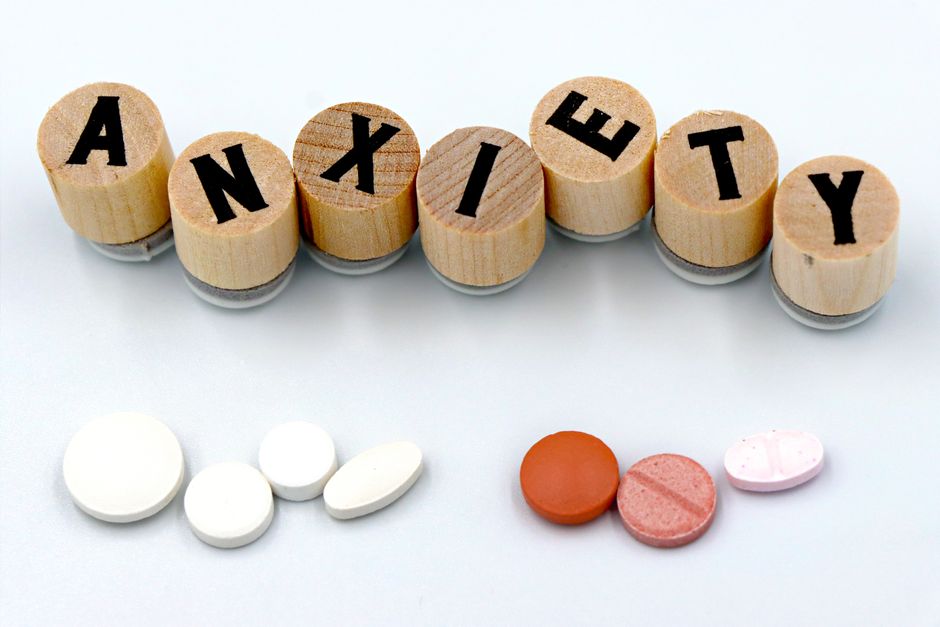
Anxiety is your body’s natural alarm system. It is meant to protect you from danger. But for many people, that alarm goes off when there is no real threat. The good news is that effective treatments and strategies exist. Research shows that a combination of therapy, lifestyle changes, and sometimes medication works best for managing anxiety.
What Causes Anxiety in the First Place?
Anxiety does not have a single cause. It usually comes from a mix of things. Your genes play a role. If a close family member has anxiety, you are more likely to have it too. Brain chemistry also matters. The way your brain handles certain chemicals called neurotransmitters can make you more prone to worry.
Life experiences are a big factor. Trauma, chronic stress, or a major life change like a divorce or job loss can trigger anxiety. Your environment matters. Growing up in a chaotic or unsafe home can wire your brain to be on high alert. Some medical conditions, like thyroid problems or heart arrhythmias, can also cause anxiety symptoms.
It is important to understand that anxiety is not a character flaw. It is a medical condition. The National Institute of Mental Health reports that anxiety disorders affect about 19% of US adults each year. That means millions of people are dealing with the same struggle.
What Does Research Say About What Is Good For Anxiety?
Research on What Is Good For Anxiety points to several proven approaches. The most effective treatment is cognitive behavioral therapy, or CBT. Studies published in JAMA Internal Medicine show that CBT works as well as medication for many people with anxiety disorders. CBT teaches you to recognize and change the thought patterns that feed your anxiety.
Medication is another option supported by strong evidence. Selective serotonin reuptake inhibitors (SSRIs) like sertraline and escitalopram are the most commonly prescribed. The FDA has approved these drugs specifically for anxiety disorders. They work by increasing serotonin levels in your brain, which helps regulate mood and worry.
Lifestyle changes also have real research behind them. A 2017 study in the journal Depression and Anxiety found that regular exercise reduces anxiety symptoms by up to 60%. Exercise burns off stress hormones and releases endorphins, which are natural mood boosters. Sleep is equally important. The CDC links poor sleep to higher rates of anxiety and depression.
| Treatment Approach | Evidence Level | How It Helps |
|---|---|---|
| Cognitive Behavioral Therapy | Strong – multiple clinical trials | Changes thought patterns and behaviors |
| SSRI Medication | Strong – FDA approved | Balances brain chemistry |
| Regular Exercise | Strong – meta-analyses confirm | Reduces stress hormones |
| Mindfulness Meditation | Moderate – some positive studies | Calms the nervous system |
| Herbal Supplements | Weak to moderate – mixed results | Limited and inconsistent effects |
Can Diet and Nutrition Really Help With Anxiety?
What you eat affects how you feel. This is not just common sense — research backs it up. A study in the journal Nutritional Neuroscience found that people who ate a diet high in processed foods had a 60% higher risk of anxiety. The gut and brain are connected through the vagus nerve. When your gut is inflamed from poor diet, it sends stress signals to your brain.
Some foods may help calm anxiety. Foods rich in magnesium, like spinach, almonds, and dark chocolate, can help regulate the nervous system. Omega-3 fatty acids found in salmon and walnuts also show promise. A 2018 review in JAMA Network Open linked omega-3 supplementation to reduced anxiety symptoms. Fermented foods like yogurt and kimchi support gut health, which may improve mood.
What you drink matters too. Caffeine is a common trigger. It blocks adenosine, a chemical that helps you relax. For people with anxiety, even one cup of coffee can cause jitters and racing thoughts. Alcohol is another problem. It might feel calming at first, but it disrupts sleep and can make anxiety worse the next day.
This is widely claimed though strong evidence is limited for specific “anti-anxiety diets.” No single food will cure anxiety. But cleaning up your overall eating pattern can help your brain function better.





What Are the Most Common Mistakes People Make?
Many people try to manage anxiety on their own and end up making things worse. One big mistake is avoiding the things that make you anxious. This is called avoidance behavior. It provides short-term relief but makes anxiety stronger over time. Your brain learns that the only way to feel safe is to avoid the situation entirely.
Another mistake is relying too heavily on alcohol or marijuana. Some people report that these substances calm their nerves. But the evidence does not support this. Alcohol is a depressant that disrupts sleep. Marijuana can actually increase anxiety and panic attacks in some people. A study in the Journal of Affective Disorders found that regular marijuana use was linked to higher rates of anxiety disorders.
People also waste money on unproven supplements. The supplement industry is not well regulated by the FDA. Many products claim to treat anxiety but have no clinical evidence behind them. As of 2026 there is no clinical evidence that ashwagandha or kava reliably treat anxiety disorders. Some supplements can even interact with prescription medications.
Ignoring physical health is another common error. You cannot separate mental health from physical health. If you are not sleeping, eating poorly, and never moving your body, no amount of therapy or medication will work as well as it should.
- Avoid avoidance — facing fears gradually reduces their power over time
- Limit alcohol and marijuana — they provide false relief and worsen symptoms long-term
- Skip unproven supplements — save your money for treatments that work
- Treat your body well — sleep, food, and exercise are not optional
When Should You See a Professional for Anxiety?
Anxiety becomes a problem when it interferes with your daily life. If you are avoiding work, school, or social events because of worry, it is time to get help. If your anxiety keeps you from sleeping or causes physical symptoms like a racing heart or chest pain, do not wait. The Anxiety and Depression Association of America recommends seeing a professional if symptoms last more than two weeks.
Primary care doctors are a good place to start. They can rule out medical causes like thyroid issues or heart problems. They can also prescribe medication if needed. Many people prefer to see a therapist first. Therapists who specialize in CBT are especially helpful for anxiety. You can find them through your insurance provider or through professional directories.
There are different types of anxiety disorders. Generalized anxiety disorder involves constant worry about many things. Panic disorder involves sudden attacks of intense fear. Social anxiety is a fear of being judged by others. Each type responds to slightly different treatments. A professional can help you figure out what kind of anxiety you have and what will work best.
Do not wait until you are in crisis. Early treatment works better. The average person with an anxiety disorder waits 10 years before seeking help. That is 10 years of unnecessary suffering. Treatment is effective and available.
What Practical Steps Can You Take Right Now?
You do not have to overhaul your entire life overnight. Small steps add up. Start with your breathing. Deep breathing activates the vagus nerve and calms your nervous system. Try this: breathe in for four counts, hold for four, breathe out for four. Do this for two minutes. It is not a cure, but it can stop a panic spiral.
Move your body for 10 minutes. A short walk outside does more than you think. Sunlight helps regulate your circadian rhythm and boosts vitamin D. Exercise releases endorphins that naturally reduce pain and stress. You do not need a gym membership. Just walk around the block.
Cut back on caffeine. If you drink multiple cups of coffee or energy drinks, try reducing by half. Do it gradually to avoid headaches. Replace with herbal tea or water. Notice how your body feels after a few days. Many people report feeling noticeably calmer.
Write down your worries. This is called a brain dump. Get everything out of your head and onto paper. Once it is written, your brain can stop holding onto it. You can then look at your list and decide which worries are real problems and which are just noise. This simple technique is backed by research on journaling and mental health.
Talk to someone. Isolation makes anxiety worse. Call a friend, a family member, or a support line. The National Alliance on Mental Illness has a helpline at 800-950-NAMI. Just hearing another person’s voice can ground you.
Frequently Asked Questions
What is the fastest way to calm anxiety?
Deep breathing exercises are the fastest way to calm your nervous system in the moment. Inhale for four counts, hold for four, and exhale for four.
Can anxiety go away without treatment?
Some people experience temporary anxiety that fades on its own, but chronic anxiety disorders rarely resolve without treatment. Therapy and lifestyle changes are typically needed for lasting improvement.
Is medication or therapy better for anxiety?
Research shows that therapy and medication are equally effective, and combining both often works best. Your choice depends on your symptoms, preferences, and medical history.
What foods should I avoid if I have anxiety?
Caffeine, alcohol, and high-sugar processed foods are the most common dietary triggers for anxiety. These substances can disrupt sleep and spike stress hormones.
