
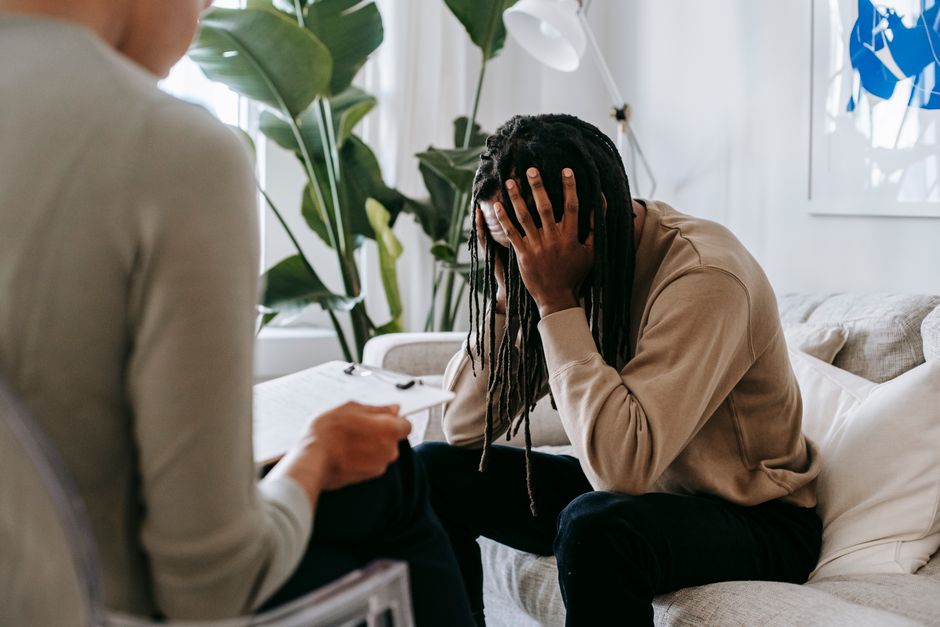
Anxiety can feel overwhelming, but you can calm it down with specific techniques that target your body’s stress response. The most effective approaches combine immediate physical interventions like slow breathing with longer-term strategies such as therapy and lifestyle adjustments. Here is what the evidence actually says about calming anxiety, without the overhyped claims you see everywhere.
What Is Happening in Your Body During Anxiety?
When anxiety hits, your body’s alarm system activates. This is called the fight-or-flight response. Your brain sends signals to release stress hormones like cortisol and adrenaline. Your heart beats faster. Your breathing becomes shallow. Your muscles tense up.
This response is not bad by itself. It evolved to protect you from real danger. The problem is when it fires at the wrong times — during a work meeting, in a grocery store, or while lying in bed at night. Understanding this helps you see why some calming techniques work and others do not.
Research from the National Institute of Mental Health shows that anxiety disorders affect about 19% of US adults each year. That is roughly 1 in 5 people. You are not alone in this, and there are proven ways to turn down that alarm system.
Does Deep Breathing Actually Calm Anxiety?
Yes, but only if you do it correctly. Many people take deep breaths that actually make anxiety worse. They inhale too deeply and too quickly, which can trigger hyperventilation and make you feel more panicked.
The technique that research supports is called slow, diaphragmatic breathing. You breathe in through your nose for a count of four. You hold for a count of four. You exhale through your mouth for a count of six or eight. The longer exhale activates your vagus nerve, which tells your nervous system to slow down.
A study published in the journal Frontiers in Psychology found that slow breathing at about six breaths per minute significantly reduced anxiety symptoms compared to normal breathing. The key is the pace, not the depth. Breathe slower, not harder.
One practical tip: place one hand on your chest and one on your belly. You want the hand on your belly to move more than the one on your chest. This confirms you are using your diaphragm, not just your upper chest muscles.
What Are the Fastest Ways to Calm Anxiety in the Moment?
When anxiety spikes suddenly, you need tools that work within minutes. Here are the ones with the strongest evidence behind them:
- Cold water exposure — Splashing cold water on your face or holding an ice cube activates the mammalian dive reflex. This slows your heart rate and shifts your nervous system toward calm. Research from the University of Pittsburgh Medical Center supports this as a rapid intervention.
- Grounding techniques — The 5-4-3-2-1 method is simple and effective. Name five things you can see, four you can touch, three you can hear, two you can smell, and one you can taste. This pulls your brain away from internal worry and into the present moment.
- Physical movement — A brisk walk or even marching in place for two minutes burns off excess adrenaline. Your body was preparing to run from a tiger. Moving helps complete that cycle.
- Progressive muscle relaxation — Tense each muscle group for five seconds, then release. Start with your feet and work up to your face. This directly counters the muscle tension anxiety creates.
These tools are not cures. They are first aid. They give you enough space to think clearly and decide what to do next.




How Can I Calm Down My Anxiety Long-Term Without Medication?
Long-term anxiety management requires consistent practice, not quick fixes. The single most effective non-medication approach is cognitive behavioral therapy, or CBT. Research published in JAMA Internal Medicine shows that CBT works as well as medication for many people with anxiety disorders, and the benefits last longer after treatment ends.
CBT teaches you to identify the thoughts that trigger your anxiety and challenge them. For example, if you think “everyone is judging me,” CBT helps you examine whether that thought is actually true. Over time, this rewires how your brain responds to stress.
Exercise is another powerful long-term tool. The Anxiety and Depression Association of America reports that regular aerobic exercise reduces anxiety sensitivity. You do not need intense workouts. Thirty minutes of walking five days per week produces measurable benefits. The effects build over weeks, not days.
Sleep is often overlooked. Poor sleep increases anxiety, and anxiety disrupts sleep. It becomes a cycle. Prioritizing seven to nine hours of sleep per night is not optional for anxiety management — it is essential. If you struggle with sleep, consistent bedtimes and no screens an hour before bed are the simplest starting points.
What Does Research on Diet and Anxiety Show?
The connection between what you eat and how anxious you feel is real, but the evidence is less dramatic than many online articles claim. There is no single food that cures anxiety. There are, however, dietary patterns that help or hurt.
Studies have found that diets high in processed foods, sugar, and refined carbohydrates are linked to higher anxiety levels. A 2019 study in the journal Nutrients found that people who ate a traditional Mediterranean diet — rich in vegetables, fruits, whole grains, and healthy fats — reported significantly lower anxiety scores than those eating a standard Western diet.
Caffeine deserves special attention. It is a stimulant that directly activates your nervous system. For people with anxiety disorders, caffeine can trigger panic attacks or make existing anxiety worse. If you notice anxiety symptoms after coffee or energy drinks, try cutting back gradually. Some people find they can tolerate one cup but not three.
Alcohol is another common trap. It may feel calming in the moment, but as your body processes it, anxiety often rebounds stronger. This is called hangxiety. Research in the journal Alcoholism: Clinical and Experimental Research confirms that alcohol withdrawal increases anxiety symptoms even in moderate drinkers.
The takeaway is not to obsess over your diet. It is to notice patterns. If you eat mostly whole foods, limit caffeine after noon, and avoid using alcohol to cope, you are already doing more than most people realize.
When Should You Seek Professional Help for Anxiety?
This is the most important question, and the answer is clearer than many people think. You should seek professional help if your anxiety interferes with your daily life for two weeks or more. This includes trouble going to work, avoiding social situations, difficulty sleeping, or feeling on edge constantly.
Primary care doctors are a good first step. They can rule out medical conditions that mimic anxiety, such as thyroid problems or heart issues. They can also prescribe medication or refer you to a mental health specialist.
Therapy is the gold standard. Look for a therapist trained in CBT or acceptance and commitment therapy, which also has strong evidence for anxiety. Many therapists now offer online sessions, which removes the barrier of travel and scheduling.
Medication is another option, and there is no shame in using it. Selective serotonin reuptake inhibitors, or SSRIs, are the most commonly prescribed class for anxiety. They are not addictive, and they do not change your personality. They simply reduce the volume of your anxiety enough that therapy and coping skills can work better.
One thing to watch for: if you have thoughts of harming yourself or feel like you cannot cope, call the 988 Suicide and Crisis Lifeline immediately. This is a free, confidential service available 24/7. Do not wait for an appointment.
| Intervention | Time to Effect | Strength of Evidence | Best For |
|---|---|---|---|
| Slow breathing | Minutes | Strong | Immediate relief |
| Cold water exposure | Minutes | Moderate | Panic spikes |
| CBT therapy | Weeks to months | Strong | Long-term change |
| Regular exercise | Weeks | Strong | Prevention and reduction |
| Dietary changes | Weeks to months | Moderate | Supporting overall health |
| SSRI medication | 4 to 6 weeks | Strong | Moderate to severe anxiety |
What Common Mistakes Make Anxiety Worse?
Many people try to calm anxiety in ways that backfire. Avoidance is the biggest one. When you avoid the situation that makes you anxious, you feel relief in the moment. But your brain learns that the situation is dangerous, so the anxiety grows stronger over time. This is why exposure therapy works — it gradually teaches your brain that the feared outcome does not happen.
Reassurance seeking is another trap. Asking friends or family “Do you think I will be okay?” over and over may feel helpful, but it actually reinforces your anxiety. You are teaching your brain that you cannot handle uncertainty on your own. The goal is to sit with uncertainty, not eliminate it.
Suppressing thoughts also backfires. Research on thought suppression shows that trying not to think about something makes you think about it more. Instead of pushing anxious thoughts away, acknowledge them. Say to yourself “I notice I am having an anxious thought right now.” This creates distance between you and the thought.
One more mistake is relying on distraction alone. Watching TV or scrolling social media can provide temporary relief, but it does not address the underlying anxiety. When the distraction ends, the anxiety often returns. Use distraction as a short-term tool, not your only strategy.
Frequently Asked Questions
Can anxiety go away on its own?
Mild anxiety often fades when the stressful situation ends, but chronic anxiety disorders usually require active treatment to improve.
How long does it take for breathing exercises to calm anxiety?
Most people feel some relief within one to three minutes of slow breathing at six breaths per minute.
Is it safe to use calming teas for anxiety?
Chamomile and green tea have mild calming effects for some people, but they are not strong enough to treat an anxiety disorder on their own.
What is the difference between anxiety and a panic attack?
Anxiety builds gradually and lasts longer, while a panic attack peaks within minutes and causes intense physical symptoms like chest pain and shortness of breath.
