
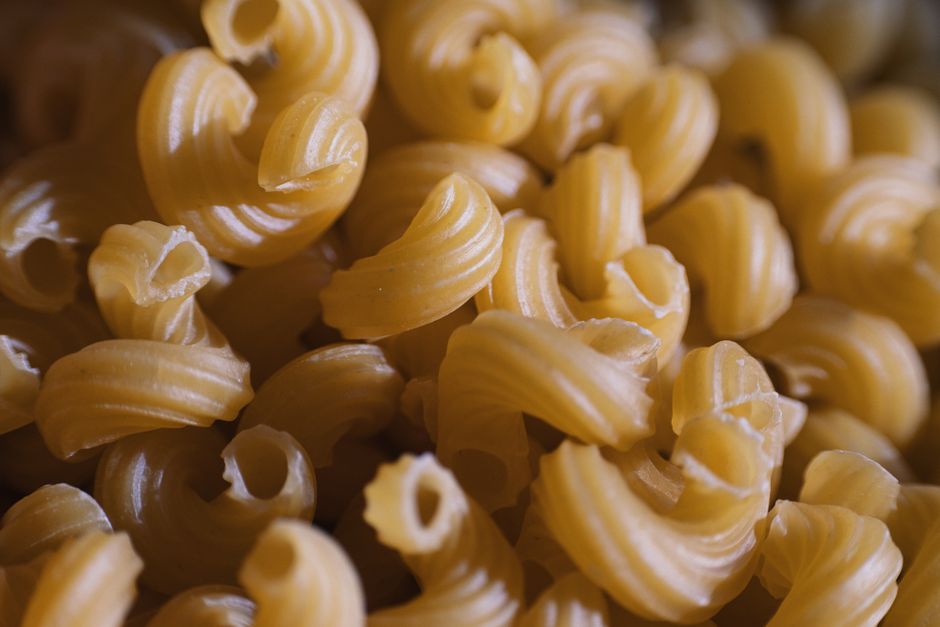
Durum flour is a type of flour made from durum wheat, a hard wheat variety known for its high protein content and golden color. It is the primary ingredient in most dried pasta and is also used for some breads and couscous. Durum flour has a coarser texture than all-purpose flour and a distinct nutty flavor that comes from the wheat’s hard kernel.
What Is Durum Flour?
Durum flour is ground from the endosperm of durum wheat (Triticum durum). Durum is the hardest of all wheat varieties. Its high protein content, particularly gluten-forming proteins, gives pasta its firm texture and ability to hold shape during cooking. The flour has a pale yellow color from naturally occurring carotenoid pigments. When water is added, these pigments give pasta its typical golden hue.
Most durum flour sold in stores is refined — the bran and germ are removed. Whole-grain durum flour is available but less common. The terms “durum flour” and “semolina” are often used interchangeably, but they are not the same. Semolina is a coarser grind from the same wheat. Durum flour is ground more finely.
How Is Durum Flour Different from Other Flours?
The main difference is protein content and gluten strength. Durum flour contains about 12-14% protein, which is higher than all-purpose flour (10-12%) but lower than bread flour (14-16%). However, the type of gluten in durum is stronger and more elastic. This gluten structure is what makes pasta firm, not soft like bread.
The texture also differs. Durum flour feels grainy between your fingers, more like cornmeal than white flour. It does not absorb water as quickly as softer flours. This is why pasta dough requires more kneading and resting time.
Nutritionally, durum flour has more protein and fiber than all-purpose flour. It also contains more B vitamins, iron, and magnesium. But whole-wheat durum flour (with the bran intact) offers even more fiber and micronutrients than the refined version.
What Is Durum Flour Made From?
Durum flour is made exclusively from durum wheat. The wheat berries are milled, and the bran and germ are usually removed to produce refined flour. The milling process separates the hard endosperm into particles of varying sizes. The finest particles become durum flour; the larger particles become semolina.
Durum wheat is grown primarily in the Mediterranean region, the United States (especially North Dakota and Montana), Canada, and parts of Russia. It is a spring wheat, meaning it is planted in the spring and harvested in late summer. The climate in these regions — hot, dry summers — produces wheat with high protein content and hard kernels.
Some durum flour is labeled as “patent” or “special” grade, meaning it comes from the first break of milling and has the highest protein absorption. Lower grades are used for cheaper pasta products.




What Are the Nutritional Benefits of Durum Flour?
Durum flour is a good source of complex carbohydrates and protein. A typical serving (about ¼ cup dry) provides around 100–120 calories, 3–4 grams of protein, and 1–2 grams of fiber. The protein content is higher than most refined wheat flours, which supports sustained energy release.
It contains B vitamins such as niacin, riboflavin, thiamine, and folate. These vitamins help convert food into energy and support red blood cell formation. Durum flour also provides iron, magnesium, and phosphorus. The iron content is lower than in whole-wheat flour because the germ is removed during refining.
Because durum flour has a lower glycemic index than some other refined flours, it may cause a slower rise in blood sugar. However, the evidence is not strong enough to recommend it specifically for blood sugar control. People with celiac disease or gluten sensitivity must avoid durum flour entirely because it contains gluten.
How Do You Use Durum Flour in Cooking?
Durum flour is the standard flour for making fresh pasta, dried pasta, and couscous. It can also be used for flatbreads, pizza dough, and some crackers. Because of its strong gluten structure, durum flour absorbs more water and requires longer kneading than all-purpose flour. Pasta dough typically uses 1 cup of durum flour to about 3–4 tablespoons of water and one egg per serving.
You can substitute durum flour for all-purpose flour in some recipes, but the result will be denser and chewier. Baked goods like cakes and muffins may turn out tough. For breads, blending durum flour with bread flour gives a denser, more rustic loaf.
Store durum flour in an airtight container in a cool, dry place. Because it is less refined than all-purpose flour, it can go rancid faster if exposed to heat or light. Refrigeration or freezing extends shelf life for several months.
Is Durum Flour Gluten-Free?
No. Durum flour is made from wheat and contains gluten. It is not safe for people with celiac disease, non-celiac gluten sensitivity, or wheat allergy. The gluten in durum flour is particularly strong and elastic, which is why it works so well for pasta. There are no gluten-free alternatives that mimic durum flour’s properties exactly. For gluten-free pasta, rice flour, corn flour, or legume flours are common substitutes, but the texture and cooking behavior differ.
What Is Semolina and How Is It Related to Durum Flour?
Semolina is a coarse grind of durum wheat. It comes from the same wheat kernel but is milled to a larger particle size — about the texture of cornmeal. Durum flour is finer. Semolina is used for pasta dough, couscous, and some porridge-like dishes. Durum flour is used for more delicate pastas and some pastries. Both come from durum wheat, but they are not interchangeable in recipes due to their different absorption rates and cooking times.
Some products labeled “durum wheat semolina” are actually durum flour with a coarser grind. Check the package label: if it says “semolina” it is coarse; if it says “durum flour” or “durum wheat flour” it is finer.
Frequently Asked Questions
Can I use durum flour for bread?
Yes, but breads made with 100% durum flour are denser and less fluffy than those made with bread flour. Many bakers blend durum flour with bread flour for a chewier, more rustic texture.
Is durum flour healthier than white flour?
Refined durum flour has slightly more protein and fiber than refined all-purpose flour. Whole-grain durum flour is more nutritious than both because it retains the bran and germ.
Does durum flour have a high glycemic index?
Some research suggests durum flour has a slightly lower glycemic impact than typical white flour, but the difference is small and not consistent across all studies. It is not a proven tool for blood sugar management.
Can I substitute all-purpose flour for durum flour in pasta?
You can, but the pasta will be softer and may fall apart more easily during cooking. Durum flour’s strong gluten is what holds pasta together; all-purpose flour produces a weaker dough.
