
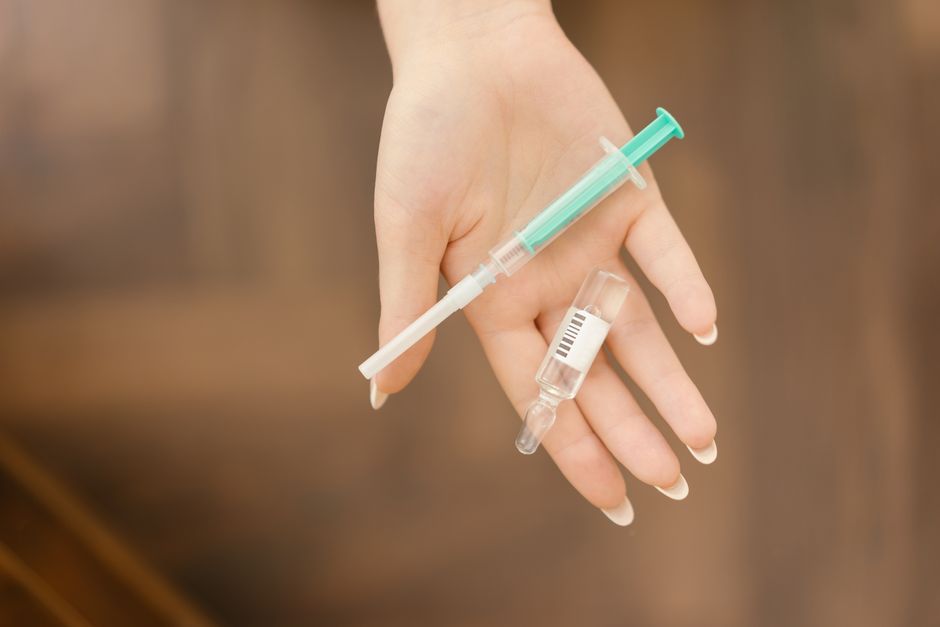
Gardasil is a vaccine that protects against certain types of human papillomavirus (HPV), the most common sexually transmitted infection in the United States. It works by training your immune system to fight the specific HPV strains most likely to cause genital warts and several types of cancer, including cervical, anal, and throat cancers. The vaccine does not treat existing infections; it prevents new ones from taking hold.
What Is Gardasil For The Hpv Vaccine Explained?
Gardasil is an immunization designed to prevent infection from high-risk strains of HPV. The original Gardasil vaccine protected against four HPV types. The current version used in the United States, Gardasil 9, protects against nine types: 6, 11, 16, 18, 31, 33, 45, 52, and 58.
Types 16 and 18 cause roughly 70% of cervical cancers worldwide. Types 6 and 11 cause about 90% of genital warts. The other five types in Gardasil 9 cause an additional 15% to 20% of cervical cancers. Together, the nine types covered by Gardasil 9 account for approximately 90% of cervical cancer cases.
How Does the HPV Vaccine Work?
The vaccine uses virus-like particles, not live virus. These particles look like HPV to your immune system but contain no viral DNA. They cannot infect you or cause disease.
When you receive the shot, your immune system recognizes these particles as foreign and builds antibodies against them. If you are later exposed to a real HPV infection of a covered type, those antibodies recognize the virus and neutralize it before it can establish an infection in your cells.
The protection is type-specific. The vaccine does not protect against HPV strains it does not contain. There are more than 200 HPV types, but only about a dozen are linked to cancer. Gardasil 9 covers the ones responsible for the vast majority of HPV-related cancers.
Who Should Get the Gardasil Vaccine?
Routine vaccination is recommended at age 11 or 12, but it can start as early as age 9. The goal is to vaccinate before any sexual activity begins, because the vaccine prevents infection but does not clear one that is already present.
Catch-up vaccination is recommended for females through age 26 and males through age 21. Some adults up to age 45 may also be vaccinated after discussing risks and benefits with their clinician.
If you are over 26 and already sexually active, you have likely been exposed to some HPV types. The vaccine may still protect you against types you have not encountered. However, the benefit is smaller than vaccinating a young person who has never been exposed.




How Many Doses Are Needed and When?
The number of doses depends on your age when you start the series.
- Ages 9 through 14: Two doses, given 6 to 12 months apart.
- Ages 15 through 26: Three doses, given over 6 months.
- Immunocompromised individuals: Three doses, regardless of age at first dose.
The two-dose schedule for younger teens works because their immune response to the vaccine is strong enough with fewer shots. Older teens and adults need three doses to achieve the same level of protection.
If you miss a dose, you do not need to restart the series. The remaining doses can be given at the next visit, though the schedule may be adjusted.
Does the HPV Vaccine Cause Infertility or Other Serious Side Effects?
No credible evidence links the HPV vaccine to infertility. This myth circulates widely online, but large safety studies have found no connection between Gardasil and fertility problems in women or men.
The most common side effects are mild and short-lived. They include pain, redness, or swelling at the injection site, along with headache, fatigue, or mild fever. Fainting can occur after any vaccine, which is why observation for about 15 minutes after the shot is standard practice.
Serious allergic reactions are rare. As with any medication, there is a small risk of anaphylaxis, but this occurs in fewer than a handful of cases per million doses administered.
Some people worry about long-term effects because the vaccine has only been in use since 2006. More than 135 million doses have been distributed worldwide, and ongoing monitoring systems in the United States and other countries continue to track safety. No serious long-term complications have emerged in nearly two decades of surveillance.
Why Is the HPV Vaccine Recommended for Boys and Men?
HPV causes cancer in men too. It is linked to penile cancer, anal cancer, and cancers of the back of the throat, including the base of the tongue and tonsils. Oropharyngeal cancers from HPV are now more common than cervical cancer in some developed countries.
Vaccinating males also provides herd protection. When fewer people carry HPV, transmission rates drop, which protects unvaccinated females as well. This is why the vaccine is recommended for all children regardless of sex.
Anal cancer rates have been rising in both men and women. Most anal cancers are caused by HPV 16. The vaccine directly reduces this risk in people who receive it before exposure.
Can You Get the HPV Vaccine After Being Sexually Active?
Yes. The vaccine is still recommended for sexually active people up to the recommended age limits. Being sexually active does not mean you have been exposed to all nine HPV types covered by the vaccine.
Most sexually active adults have been exposed to some HPV strains, but rarely all of them. The vaccine can still protect against the types you have not encountered. Your clinician may recommend the vaccine even if you have had an abnormal Pap test in the past, as long as you have not had a confirmed infection with all covered types.
A prior abnormal Pap test or a prior HPV infection does not make the vaccine unsafe or ineffective for remaining types.
How Effective Is Gardasil in the Real World?
Population data from countries with high vaccination rates show dramatic declines in HPV infections and precancerous lesions. Australia, which began vaccinating school-aged children in 2007, has seen sharp drops in cervical abnormalities in young women.
Studies in the United States show that HPV infections from the four original vaccine types dropped by more than half among young women in the decade after the vaccine was introduced. Genital warts have also declined significantly in vaccinated populations.
The vaccine is most effective when given before first sexual contact. Its effectiveness against the covered cancer-causing types approaches 100% in people who have never been exposed to those types.
No vaccine is 100% effective, and Gardasil does not protect against every HPV type that can cause cancer. This is why routine cervical cancer screening remains important for women, even those who have been vaccinated.
Does the Vaccine Replace Cervical Cancer Screening?
No. The vaccine prevents infection from the most dangerous HPV types, but it does not cover all cancer-causing types. Regular Pap tests and HPV testing remain essential for detecting precancerous changes early.
Screening guidelines have changed in recent years. Most women can start screening at age 21 and continue every 3 to 5 years depending on their age and test results. Vaccinated women still need to follow the same screening schedule as unvaccinated women.
The combination of vaccination and regular screening offers the best protection against cervical cancer. Vaccination reduces your risk; screening catches what vaccination might miss.
What Is the Difference Between Gardasil and Cervarix?
Cervarix was an earlier HPV vaccine that protected against two types, 16 and 18. It was removed from the United States market in 2016 and is no longer available in the country. Gardasil 9 is now the only HPV vaccine distributed in the United States.
Gardasil 9 covers seven more HPV types than Cervarix did, including the two types that cause genital warts. The broader coverage makes Gardasil 9 the preferred vaccine wherever it is available.
How Long Does Protection Last?
Studies following vaccinated individuals for more than a decade show that protection remains strong. Antibody levels stay high for years after vaccination, and no significant waning of protection has been observed.
Research suggests the immune memory created by the vaccine provides long-lasting protection, potentially for decades. Whether a booster dose will ever be needed is still unknown. Current evidence does not support routine boosters.
Frequently Asked Questions
Is Gardasil safe for teenagers?
Yes, Gardasil has a strong safety record in teenagers based on extensive clinical trials and post-licensure monitoring. The most common side effects are mild and temporary, such as injection site pain or fainting.
Can Gardasil treat existing HPV infections?
No, Gardasil cannot treat an HPV infection you already have. It only prevents new infections from the HPV types covered by the vaccine.
Do I need the HPV vaccine if I am over 30?
Adults up to age 45 can receive the vaccine after discussing it with their clinician, but the benefit depends on your history of HPV exposure. If you have not been exposed to all covered types, you may still gain protection.
Is the HPV vaccine required for school attendance?
HPV vaccination is recommended by health authorities, but school requirements vary by state. Some states require it for school entry, while others do not, and many allow medical or philosophical exemptions.
