
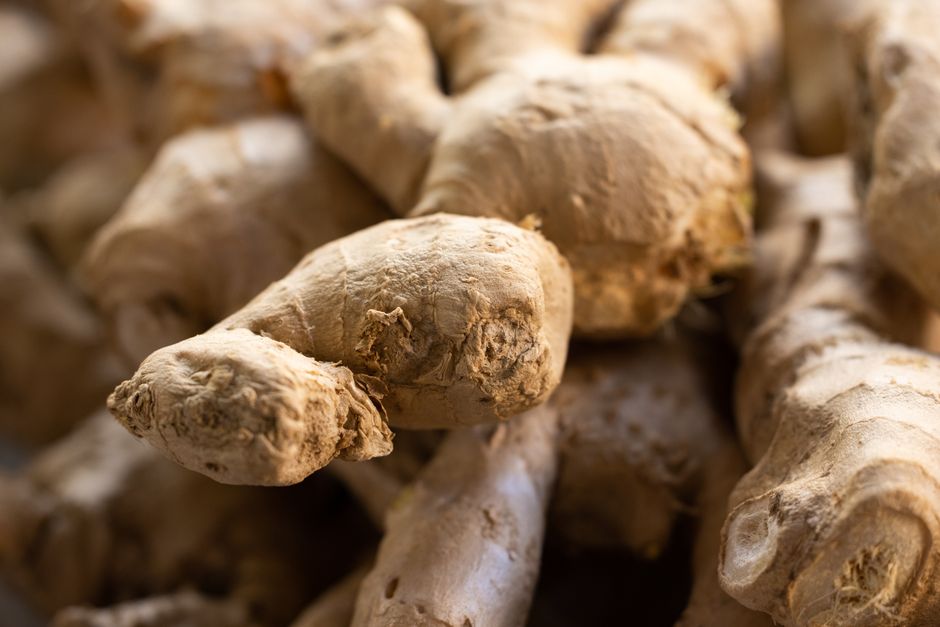
Fresh ginger is a root that has been used as both food and medicine for thousands of years, and it is one of the few natural remedies with real clinical research behind it. The strongest evidence supports its use for nausea, including motion sickness and nausea during pregnancy. It also shows measurable anti-inflammatory effects, though whether those effects translate into meaningful relief for conditions like arthritis is less clear. Beyond that, many popular claims about ginger outrun the evidence.
What Is Fresh Ginger Good For Your Health?
The best-supported use of fresh ginger is nausea. This is not folk wisdom — it is one of the more studied effects of any plant food.
Ginger contains compounds called gingerols and shogaols. These appear to speed up stomach emptying and reduce activity in the gut signals that trigger the vomiting reflex. Research published in obstetrics and anesthesia journals has found ginger more effective than placebo for nausea in pregnancy, after surgery, and from motion sickness. For chemotherapy-related nausea, the evidence is more mixed, and ginger is generally studied as an add-on to standard anti-nausea drugs rather than a replacement.
The second well-documented area is inflammation. Ginger blocks some of the same inflammatory pathways that aspirin and ibuprofen act on, though far more weakly. Studies measuring markers like CRP and inflammatory cytokines have found reductions with regular ginger intake. What is less certain is whether those lab changes produce noticeable pain relief. Some trials in knee osteoarthritis show modest improvement in pain scores; others show little difference from placebo. The honest summary: the biological effect is real, the clinical benefit is modest at best.
Everything else you have read about ginger — weight loss, blood sugar control, cancer prevention, immune boosting — rests on much thinner evidence. Some early studies exist. None of it is strong enough to make promises about.
How Much Fresh Ginger Should You Use?
There is no official recommended daily amount of ginger. It is a food, not a regulated nutrient, so no government body has set an intake target.
In clinical studies, doses typically range from about 1 to 3 grams of dried ginger powder per day, often divided into smaller amounts. Fresh ginger root is roughly 80 percent water, so a comparable amount of fresh ginger would be larger — commonly cited as around 1 to 2 tablespoons of freshly grated root. This is general information from research settings, not a formal recommendation.
For everyday cooking and tea, most people use far less than that without any issue. A thumb-sized piece of fresh root grated into a meal or steeped in hot water is a reasonable everyday amount for most adults.
Higher doses are not automatically better. Above roughly 4 grams per day, the risk of heartburn, stomach upset, and irritation increases. More is not the goal here.
What Does Fresh Ginger Do That Dried Ginger Does Not?
The two are not interchangeable, and the difference matters more than most people realize.
Fresh ginger is high in gingerols, the compounds responsible for its sharp, spicy bite. Dried ginger has less gingerol but more shogaols, which form when gingerols are heated or dried. Shogaols are chemically different and appear to have their own effects, including some that are studied for pain and inflammation.
In practice, this means fresh ginger is the better choice for tea, cooking, and settling a queasy stomach. Dried ginger powder is what most clinical trials use, and it is more concentrated by weight. If you are using ginger specifically for a health effect that has been studied, dried powder is often what was tested.
| Form | Main compounds | Common use |
|---|---|---|
| Fresh root | Gingerols | Tea, cooking, nausea |
| Dried powder | Shogaols | Most clinical trials, capsules |
| Ginger tea (bagged) | Varies widely | Comfort, mild nausea |
One clarification worth knowing: bagged ginger tea often contains very little actual ginger. Some products are mostly flavoring. If you want the compounds, fresh root or a supplement with a stated gingerol content is more reliable.





Does Ginger Help With Digestion and Stomach Upset?
Ginger has a long history of use for general digestive complaints, and the mechanism is plausible. It appears to speed gastric emptying, which can ease feelings of fullness and bloating.
That said, the research here is thinner than for nausea. Some small studies show faster stomach emptying after a meal. Fewer studies look at whether people actually feel better. The evidence for indigestion, bloating, and general “stomach settling” is suggestive but not strong.
For occasional queasiness — from a bumpy car ride, a rich meal, or early pregnancy — ginger is a reasonable option with a decent evidence base. For chronic digestive conditions like IBS or GERD, ginger is not a treatment, and it can actually worsen reflux in some people because it relaxes the lower esophageal sphincter.
Is Ginger Safe for Everyone?
For most adults, ginger used as a food or in moderate amounts is well tolerated. Side effects are usually mild — heartburn, mild stomach discomfort, or a lingering taste.
There are a few situations where caution is warranted. Ginger has mild blood-thinning properties, so people taking anticoagulants or antiplatelet drugs should talk to their doctor before using large amounts. The same applies before surgery, where some clinicians recommend stopping high-dose ginger about a week ahead. This is common clinical practice rather than a firmly established rule.
For pregnancy, ginger has a reasonable safety record in studies for nausea, but any use during pregnancy should be discussed with a clinician. No clinical guidelines exist for ginger use in infants or young children, and it should not be given to them for medicinal purposes.
Ginger can also interact with diabetes medications by affecting blood sugar. If you take medication for diabetes, mention ginger to your doctor before using it in concentrated amounts.
Does Ginger Actually Help With Colds and Immunity?
This is where marketing runs far ahead of evidence. Ginger is often sold as an immune booster, but no strong human trials show it prevents or shortens colds.
What ginger can do is soothe a sore throat and warm you up, which is why it feels helpful when you are sick. That is comfort, not treatment. The sensation of relief is real; the effect on the illness is not established.
Some lab studies show ginger compounds have antimicrobial and anti-inflammatory activity in test tubes. Test-tube results frequently do not carry over to the human body. No clinical evidence currently confirms that ginger shortens a cold or strengthens immune function.
If you enjoy ginger tea when you are sick, drink it. Just do not expect it to do more than make you feel better in the moment.
How Should You Store and Prepare Fresh Ginger?
Fresh ginger loses potency as it dries out and ages. A firm, heavy root with smooth skin has more of the active compounds than a shriveled one.
Store it in the refrigerator, wrapped loosely so it can breathe, for up to a few weeks. For longer storage, freezing works well and makes grating easier. You do not need to peel it — the skin is edible and contains some of the same compounds.
When you want the most gingerol, use it raw or add it late in cooking. Heat converts gingerols into shogaols, which changes the flavor and the chemistry. Neither is better in every case, but if you are making tea for nausea, steeping fresh slices in hot (not boiling) water preserves more of the fresh compounds.
Frequently Asked Questions
Is fresh ginger better than dried ginger?
Neither is universally better — they contain different active compounds. Fresh ginger is higher in gingerols, while dried ginger is higher in shogaols and is what most clinical trials have used.
How much ginger is too much?
There is no official upper limit, but amounts above roughly 4 grams per day increase the chance of heartburn and stomach upset. Most people use far less than that in food and tea.
Can ginger replace anti-nausea medication?
No. Ginger has evidence for mild to moderate nausea, but it is generally studied alongside standard medications, not as a replacement for them. Talk to your doctor before changing any prescribed treatment.
Does ginger help with inflammation or arthritis pain?
Ginger does reduce some inflammatory markers in studies, but the evidence for noticeable pain relief in arthritis is mixed. Some trials show modest benefit; others show little difference from placebo.
