
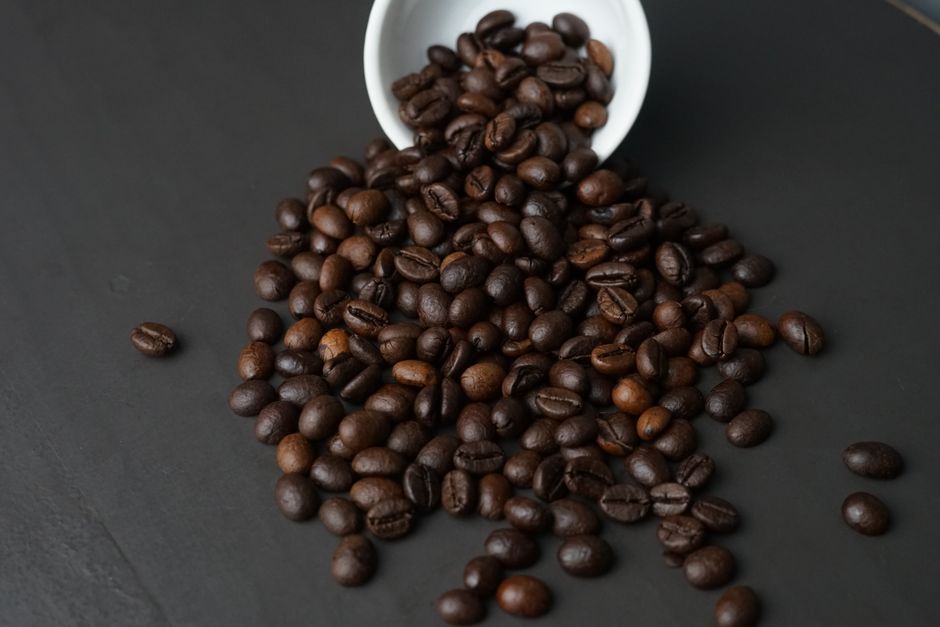
Decaf coffee starts as regular green coffee beans. The caffeine is removed before the beans are roasted, using one of four main methods: solvent-based processing, the Swiss Water Process, carbon dioxide (CO2) processing, or a newer approach using water and filtration without chemical solvents. Each method removes most—but not all—caffeine, and each leaves a slightly different mark on flavor.
If you want to make decaf beans yourself at home, the honest answer is that you cannot. Decaffeination happens at an industrial scale using equipment and solvents no home kitchen has. What you can do is understand how the process works, which method produced the beans you buy, and what that means for taste and caffeine content.
How Does Decaffeination Actually Work?
All decaffeination methods share the same basic logic. Green coffee beans are soaked or steamed to open their pores. Then a solvent, water, or gas is used to pull caffeine out of the bean while leaving most other compounds behind. The beans are dried and sent off to be roasted like any other coffee.
Caffeine sits inside the bean as a free molecule, not tightly bound to protein or fiber. That makes it extractable. The challenge is removing caffeine without stripping the acids, sugars, and oils that give coffee its flavor. This is why decaffeination methods differ so much—each one solves that problem differently.
One detail worth knowing: decaffeination almost always happens on green, unroasted beans. Roasting comes after. This matters because the bean’s structure is more open and workable before roasting.
What Are the Main Decaffeination Methods?
There are four established commercial methods. Each uses a different agent to coax caffeine out of the bean.
- Solvent-based (direct and indirect): Uses chemicals like methylene chloride or ethyl acetate to bind and remove caffeine.
- Swiss Water Process: Uses only water, temperature, and a carbon filter—no chemical solvents.
- CO2 Process: Uses pressurized carbon dioxide in a supercritical state to dissolve caffeine.
- Water-process variations: Some producers use water and filtration without the trademarked Swiss Water name.
Each method removes roughly 97% or more of the caffeine in green coffee, according to standard industry figures. The FDA requires decaffeinated coffee to have at least 97% of its caffeine removed. That leaves a small amount behind—typically a few milligrams per cup rather than the 95 milligrams or so in a standard 8-ounce cup of regular coffee.
How Does the Solvent Method Work?
Solvent decaffeination is the oldest and still one of the most common methods worldwide. It comes in two forms: direct and indirect.
In the direct method, green beans are steamed to soften them, then rinsed repeatedly with a solvent—usually methylene chloride or ethyl acetate—that selectively binds caffeine. The solvent is drained, and the beans are steamed again to remove any residue.
In the indirect method, beans are soaked in hot water first. That water pulls out caffeine along with flavor compounds. The water is then treated with solvent to remove caffeine, and the beans are returned to the now-decaffeinated water to reabsorb flavor compounds. The beans themselves never directly touch the solvent.
Ethyl acetate occurs naturally in some fruits, which is why you sometimes see “naturally decaffeinated” on labels using this method. That label refers to the origin of the solvent, not to the process being chemical-free. Methylene chloride is the more common solvent in the United States.
Concern about solvent residue is common. The FDA sets limits on residual solvent in decaffeinated coffee, and studies have generally found levels far below those limits. The evidence does not support claims that trace residues pose a health risk at these levels, though some people prefer to avoid solvent-processed beans on principle.





What Is the Swiss Water Process?
The Swiss Water Process uses no chemical solvents. It relies on water, temperature, and activated carbon filters.
Green beans are soaked in hot water, which draws out caffeine and flavor compounds together. That “flavor-charged” water is then passed through a carbon filter that traps caffeine molecules while letting flavor compounds through. The now-decaffeinated beans are soaked in the filtered water to reabsorb flavor. The water is reused, becoming more saturated with coffee flavor over time, which helps preserve taste.
This method is trademarked and used by a specific company, though the general approach—water and carbon filtration—is used by other producers under different names. It is often marketed as a cleaner alternative, and for people who want to avoid solvent contact entirely, it is a reasonable choice. Whether it produces better-tasting coffee than other methods is debated. Some tasters prefer it; others find CO2-processed beans taste closer to regular coffee.
How Does CO2 Decaffeination Work?
CO2 decaffeination uses carbon dioxide under high pressure and temperature, at which point it becomes a “supercritical” fluid. In this state, CO2 behaves partly like a gas and partly like a liquid, and it dissolves caffeine efficiently.
Green beans are placed in a chamber with supercritical CO2. The CO2 pulls caffeine out of the beans, then is pumped away and the caffeine is removed so the CO2 can be reused. No chemical solvents are involved, and the CO2 itself is a gas that occurs naturally in the atmosphere.
This method is often described as the most flavor-preserving, in part because it targets caffeine more selectively than water-based methods. It is also more expensive, which is why it tends to appear in higher-priced decaf products. The flavor advantage is a common claim, but direct head-to-head taste studies comparing methods are limited. What evidence exists suggests CO2 and Swiss Water both do a good job, with differences more about specific beans and roasting than the method alone.
Can You Decaffeinate Coffee Beans at Home?
No. Home decaffeination is not practical or safe with the methods used commercially.
Solvent methods require industrial equipment and careful handling of chemicals. CO2 decaffeination requires pressure vessels that operate at extreme conditions. Even the water-based Swiss Water Process depends on large-scale carbon filtration and precise temperature control that a home setup cannot replicate.
Some people online suggest soaking beans in water to “leach out” caffeine. This does not work in any meaningful way. It would also ruin the beans, since water pulls out flavor compounds along with caffeine—and without a way to separate them, you lose both.
If you want decaf, buy beans that have already been decaffeinated. Look at the label or the roaster’s website to find out which method was used.
Which Decaf Method Tastes Best?
There is no clear winner. Taste depends more on the bean, the roast, and the roaster than on the decaffeination method alone.
That said, some general patterns show up in industry discussions. CO2 and Swiss Water tend to be favored by specialty roasters for flavor preservation. Solvent methods, especially older direct-solvent processes, are sometimes associated with flatter or more muted cups—though modern solvent methods have improved considerably.
If you are choosing between decafs, the most reliable approach is to try beans from a roaster you trust and see what you like. The method matters, but it is not the only variable.
How Much Caffeine Is Left in Decaf?
Decaf coffee is not caffeine-free. The FDA standard requires at least 97% of caffeine removed, which leaves a small amount.
An 8-ounce cup of decaf typically contains around 2 to 5 milligrams of caffeine, compared to roughly 95 milligrams in a regular cup. The exact amount varies by brand, bean, and brewing method. Some decafs test lower; some test higher.
For most people, this trace amount is not a concern. For someone highly sensitive to caffeine or advised to avoid it entirely for medical reasons, even small amounts can matter. If you are in that group, talk to your doctor about whether decaf fits your situation.
Frequently Asked Questions
Is decaf coffee really caffeine-free?
No. Decaf coffee contains a small amount of caffeine, typically around 2 to 5 milligrams per 8-ounce cup. The FDA requires at least 97% of the caffeine to be removed for coffee to be labeled decaffeinated.
What is the healthiest way to decaffeinate coffee?
There is no established “healthiest” method based on clinical evidence. All commercial methods meet FDA safety standards, and residual solvent levels in solvent-processed decaf are far below regulatory limits.
Does decaf coffee taste different from regular coffee?
Yes, decaf often tastes slightly different because the decaffeination process removes some flavor compounds along with caffeine. The difference varies by method, bean, and roast.
Can I make decaf coffee beans at home?
No. Decaffeination requires industrial equipment and processes that cannot be replicated at home. Home soaking methods do not effectively remove caffeine and damage the beans.
