
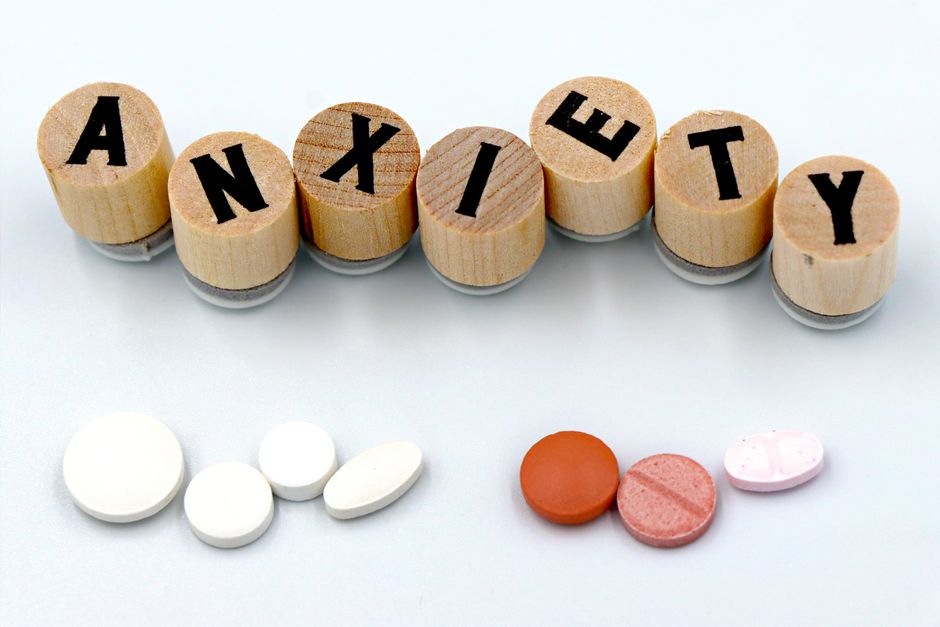
Eco-anxiety is the chronic worry or fear related to climate change and environmental threats. It is not a formal mental health diagnosis, but it describes a very real psychological response to the current ecological crisis. People with eco-anxiety experience persistent distress about the future of the planet and feel helpless in the face of large-scale environmental problems. While some level of concern is normal, eco-anxiety can become overwhelming and interfere with daily life.
What is eco-anxiety?
Eco-anxiety is the distress people feel when thinking about climate change and environmental damage. It is not listed as a disorder in the Diagnostic and Statistical Manual of Mental Disorders (DSM-5), but the American Psychological Association (APA) has recognized it as a legitimate psychological response to the climate crisis. The term describes a broad range of feelings, including worry, fear, grief, anger, and hopelessness about the environment.
This condition differs from general anxiety because the source is real and ongoing. Unlike many other worries, climate change is not an imagined threat. The uncertainty about the future and the scale of the problem can make it hard for people to find relief. Some researchers call it a normal reaction to an abnormal situation — a sign of awareness rather than a sickness.
What are the symptoms of eco-anxiety?
Symptoms of eco-anxiety can affect thoughts, emotions, behavior, and even the body. No single list is official, but clinicians and researchers have identified common patterns. Emotional symptoms include intense worry about the environment, feelings of helplessness, guilt over personal contributions to climate change, and sadness or grief for lost natural places or species. Some people also feel anger at governments or corporations they see as responsible.
Cognitive symptoms can include trouble concentrating, racing thoughts about environmental problems, and a sense of doom about the future. People may find it difficult to make plans because they doubt there will be a stable world ahead. Behavioral symptoms often involve obsessively checking news about climate change, avoiding environmental information altogether, or taking extreme actions such as refusing to have children out of concern for their future.
Physical symptoms may include trouble sleeping, loss of appetite, fatigue, and tension headaches. These bodily responses are typical of general anxiety and are not unique to eco-anxiety. The key difference is that the trigger is clearly environmental. If these symptoms become severe and last for weeks or months, it may be worth talking to a mental health professional.
Who is most affected by eco-anxiety?
Younger people tend to report the highest levels of eco-anxiety. Surveys in several countries have found that adolescents and adults under 30 are more likely than older generations to say they feel frightened or worried about climate change. This may be because they will live through more of the consequences. People who work directly with environmental issues, such as scientists, activists, and disaster relief workers, are also at higher risk.
Indigenous communities and people in regions already experiencing severe climate impacts — such as droughts, floods, or wildfires — often face acute eco-anxiety. Their distress is linked to real and immediate threats to their homes, livelihoods, and cultural practices. It is important to note that for these groups, eco-anxiety is not separate from practical survival concerns.





How to cope with eco-anxiety
There is no single solution for eco-anxiety, but several strategies can help reduce its intensity. The first is to take meaningful action. Feeling powerless often makes anxiety worse. Joining a local environmental group, volunteering for clean-up projects, or reducing your own carbon footprint can provide a sense of purpose and control. Research shows that taking action can ease feelings of helplessness.
Connecting with others who share your concerns is also valuable. Isolating yourself with worry tends to amplify it. Talking with friends, family, or support groups about your feelings can help normalize the experience and reduce shame. Spending time in nature can have a calming effect, especially when you allow yourself to simply observe rather than worry about what might be lost.
Limiting media exposure is another practical step. Constant news about fires, storms, and political failures can keep anxiety high. Setting boundaries — like checking climate news only once a day or avoiding it before bed — can help your nervous system settle. If the anxiety is severe, therapy can help. Cognitive behavioral therapy (CBT) and acceptance and commitment therapy (ACT) are both used to treat climate-related distress. Some therapists now specialize in eco-anxiety.
Can eco-anxiety lead to other mental health conditions?
For some people, untreated eco-anxiety can develop into more serious mental health conditions. Persistent worry and hopelessness may lead to depression. Severe fears about the future can trigger panic attacks or post-traumatic stress disorder (PTSD), especially for those who have already lived through climate disasters. Eco-anxiety can also worsen existing mental health problems, such as generalized anxiety disorder or obsessive-compulsive disorder.
However, most people with eco-anxiety do not develop a clinical disorder. The condition exists on a spectrum. On the mild end, it is a reasonable concern that motivates action. On the severe end, it can be disabling. The difference often depends on how much the worry interferes with daily life, relationships, and work. If eco-anxiety makes it hard to function, professional help is recommended.
Frequently Asked Questions
Is eco-anxiety a mental illness?
No, eco-anxiety is not a recognized mental illness. It is a normal psychological response to real environmental threats. However, it can be severe enough to interfere with daily life, and in those cases professional support may help.
How common is eco-anxiety?
Surveys suggest that eco-anxiety is widespread, especially among younger people. Studies in multiple countries have found that more than half of adolescents and young adults report feeling worried or frightened about climate change.
What is the best way to manage eco-anxiety?
The most helpful approaches include taking action, building community, limiting news exposure, and spending time in nature. For severe cases, therapy with a trained professional can reduce distress and improve coping.
Can children experience eco-anxiety?
Yes, children can experience eco-anxiety. They often learn about climate change at school or through media and may feel scared or hopeless. Parents can help by listening without dismissing their fears, focusing on positive actions, and limiting exposure to alarming news.
