
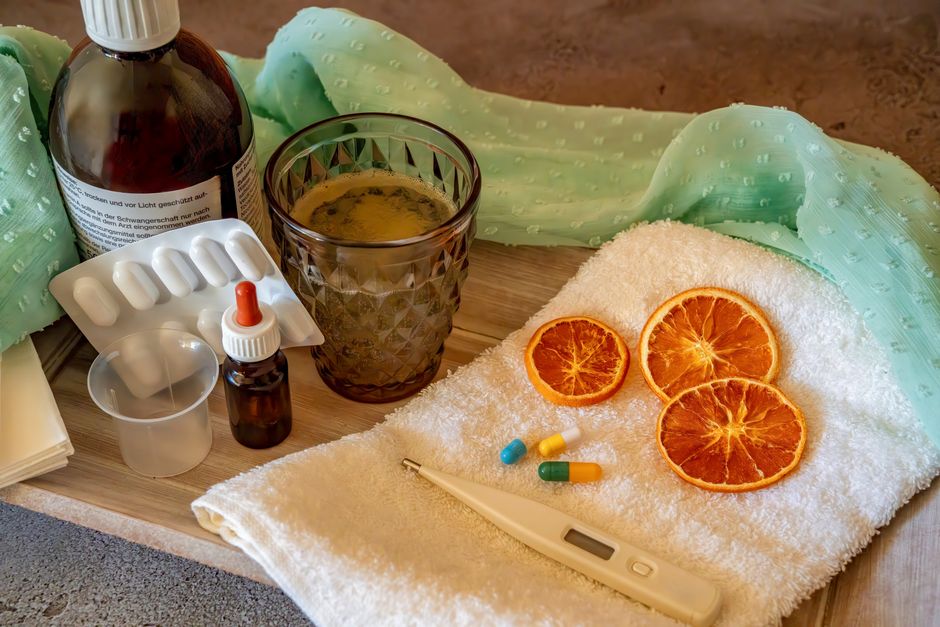
Foodborne illness is an infection or irritation of the digestive tract caused by eating or drinking contaminated food or water. It is often called food poisoning, and it happens when harmful bacteria, viruses, or parasites get into what you consume. Most cases cause stomach cramps, vomiting, and diarrhea, and while they are usually brief, they can be serious for older adults, young children, and pregnant women.
What Is Foodborne Illness?
Foodborne illness is any sickness that comes from consuming contaminated food or beverages. The contamination can be biological, like bacteria or viruses, or chemical, like toxins or heavy metals. In most cases, the culprit is a microscopic organism that multiplies in food that was not stored, cooked, or handled properly.
The most common causes include bacteria like Salmonella and E. coli, viruses like norovirus, and parasites like Giardia. These organisms enter the food supply through contaminated water, improper handling, or undercooked animal products. Once swallowed, they can attack the lining of the intestines or produce toxins that make you sick.
Foodborne illness is not a single disease. It is a category of conditions with similar symptoms but different causes. The severity and duration depend on the specific organism, how much of it you swallowed, and your overall health.
What Are the Most Common Symptoms?
Symptoms usually start within hours to a few days after eating the contaminated food. The most common signs are nausea, vomiting, stomach cramps, and diarrhea. Some people also develop a fever, headache, or body aches.
Dehydration is the main danger. When you lose fluids through vomiting and diarrhea, your body can lose electrolytes faster than you can replace them. Signs of dehydration include dry mouth, decreased urination, dizziness, and extreme thirst. In severe cases, dehydration requires medical treatment with intravenous fluids.
Most healthy adults recover within a few days without medical care. The key is to rest and replace lost fluids. But some symptoms require immediate medical attention, including blood in the stool, a fever above 102°F, vomiting that lasts more than two days, or signs of severe dehydration.
How Does Food Become Contaminated?
Contamination can happen at any point from the farm to your table. It can occur during growing, harvesting, processing, storage, shipping, or preparation. The most common route is the fecal-oral pathway, where microscopic amounts of fecal matter carrying pathogens end up in food.
Raw meat, poultry, eggs, and unpasteurized dairy are common sources of bacterial contamination. Produce can become contaminated through irrigation water or contact with animal waste. Seafood can carry viruses or toxins depending on where it was harvested.
Cross-contamination is a major cause in home kitchens. This happens when juices from raw meat touch ready-to-eat foods, cutting boards, or utensils. Using the same knife to cut raw chicken and then chop vegetables is a classic example. Proper handwashing and separating raw and cooked foods can prevent most of these cases.




Who Is at Higher Risk for Severe Illness?
Anyone can get a foodborne illness, but some groups face higher risks of serious complications. Pregnant women are at increased risk because pregnancy changes the immune system and makes certain infections more dangerous. Listeria, for example, can cross the placenta and harm the fetus.
Older adults, especially those over 65, have weaker immune responses and may take longer to recover. Young children under five have less developed immune systems and smaller fluid reserves, making dehydration more dangerous. People with chronic conditions like diabetes, liver disease, or HIV, and those on medications that suppress the immune system, also face higher risks.
For these groups, foodborne illness is not just an inconvenience. It can lead to hospitalization, long-term complications, or in rare cases, death. If you fall into a high-risk group and develop symptoms, contact a healthcare provider early rather than waiting it out.
What Should You Do If You Get Sick?
The first step is to replace lost fluids. Water is helpful, but oral rehydration solutions that contain electrolytes are better for moderate fluid loss. Sports drinks can work in a pinch, though they contain more sugar than is ideal for rehydration.
Eat bland, easy-to-digest foods once you can keep things down. Rice, toast, bananas, and applesauce are gentle on the stomach. Avoid dairy, fatty foods, caffeine, and alcohol until you feel better, as these can worsen diarrhea.
Over-the-counter anti-diarrheal medications are not always the right choice. If you have a fever or blood in your stool, these drugs can make the infection worse by keeping the organism in your body longer. Check with a pharmacist or doctor before using them, especially for children.
Do not prepare food for others while you are sick. You can spread the infection to anyone who eats what you make. Wait at least 48 hours after symptoms stop before cooking for other people.
How Can You Prevent Foodborne Illness at Home?
Prevention comes down to four basic practices: clean, separate, cook, and chill. These are the core principles recommended by food safety authorities, and they work.
Clean means washing your hands with soap and water before handling food and after touching raw meat, eggs, or using the bathroom. Wash fruits and vegetables under running water, even if you plan to peel them. Washing removes surface dirt and some pathogens.
Separate means keeping raw meat, poultry, seafood, and eggs away from ready-to-eat foods. Use different cutting boards for raw meat and produce. Store raw meat on the bottom shelf of the refrigerator so its juices cannot drip onto other foods.
Cook means heating food to a temperature that kills harmful organisms. A food thermometer is the only reliable way to know food is safe. Color and texture are not accurate indicators of doneness. Ground meats should reach 160°F, poultry should reach 165°F, and leftovers should be reheated to 165°F.
Chill means refrigerating perishable foods promptly. Bacteria multiply rapidly between 40°F and 140°F, a range known as the danger zone. Refrigerate leftovers within two hours, or within one hour if the room temperature is above 90°F. Keep your refrigerator at or below 40°F.
When Is It More Than Just a Stomach Bug?
Most foodborne illnesses resolve on their own, but some infections cause long-term complications. Certain strains of E. coli can damage the kidneys, a condition called hemolytic uremic syndrome. This is most dangerous in young children and older adults.
Campylobacter infection has been linked to Guillain-Barré syndrome, a rare disorder where the immune system attacks the nerves. Listeria can cause meningitis or severe blood infections, especially in pregnant women and people with weakened immune systems.
These complications are rare. Most people recover fully without any lasting effects. But they are the reason foodborne illness deserves respect, especially for people in high-risk groups.
Are There Foods You Should Be Extra Careful With?
Some foods carry higher risks of contamination than others. Raw or undercooked meat, poultry, and eggs are common sources of Salmonella and E. coli. Raw shellfish, especially oysters, can carry norovirus and Vibrio bacteria.
Unpasteurized milk and juices can contain harmful bacteria that pasteurization would kill. Raw sprouts, including alfalfa and bean sprouts, have been linked to multiple outbreaks because the seeds can be contaminated and the growing conditions favor bacterial growth.
Ready-to-eat deli meats and hot dogs carry a small risk of Listeria, which is why they are often recommended to be reheated until steaming for pregnant women. Pre-cut fruits and vegetables also carry some risk because the cutting process can spread bacteria if the produce was contaminated.
You do not need to avoid these foods entirely. But you should handle them with extra care, cook them thoroughly, and follow storage guidance. When in doubt, throw it out.
Frequently Asked Questions
How long does food poisoning last?
Most cases resolve within one to three days. Some infections, like Listeria or certain parasites, can cause symptoms that last longer or appear weeks after exposure.
Can food poisoning spread from person to person?
Yes, some causes are contagious. Norovirus and Salmonella can spread through contaminated hands, surfaces, or food prepared by someone who is sick.
Is it safe to eat food that smells fine but was left out overnight?
No. Harmful bacteria do not always change the smell, taste, or appearance of food. Perishable food left out for more than two hours should be discarded.
Should I see a doctor for food poisoning?
See a doctor if you have a fever above 102°F, blood in your stool, vomiting for more than two days, or signs of severe dehydration. Seek care sooner if you are pregnant, elderly, or have a weakened immune system.
