
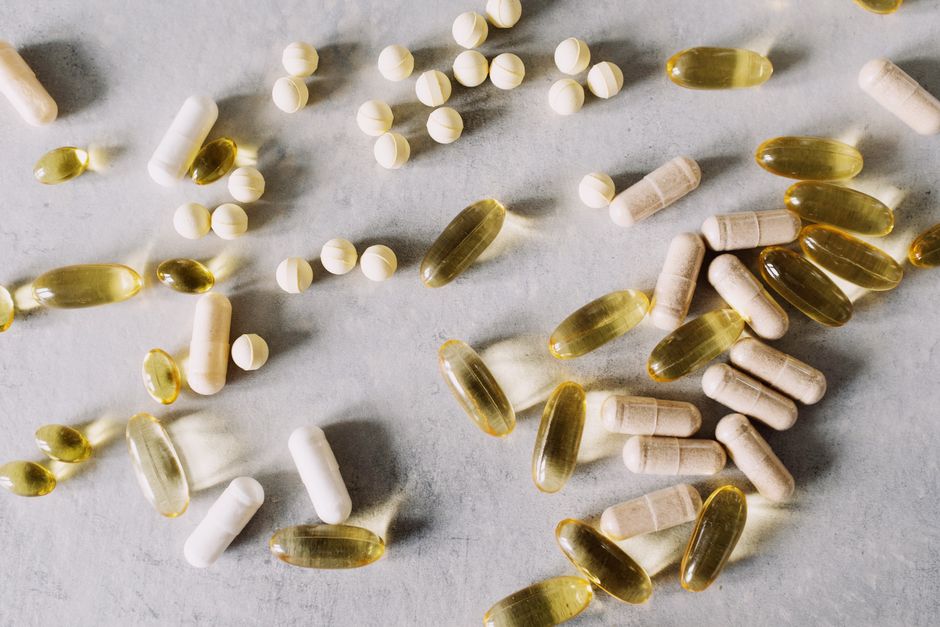
Florastor is a probiotic supplement that contains a specific strain of yeast called Saccharomyces boulardii. Unlike most probiotics that use bacteria, this yeast works differently in your digestive tract. It is primarily used to prevent and treat diarrhea caused by antibiotics, to reduce the risk of traveler’s diarrhea, and to help manage symptoms of certain digestive conditions. Research has consistently shown it can help restore balance in the gut when antibiotics have disrupted the natural flora.
How Does Saccharomyces boulardii Differ From Bacterial Probiotics?
Most probiotics you see on the shelf contain beneficial bacteria like Lactobacillus or Bifidobacterium. Florastor is different. It contains a yeast, not a bacterium. This distinction matters for several reasons.
Because it is a yeast, it is naturally resistant to antibiotics. Bacterial probiotics can be killed by the very antibiotic you are taking. Florastor survives the antibiotic course and continues to work in your intestines. It also is not affected by stomach acid the same way some bacterial strains are, so it reaches the gut intact. This yeast does not colonize the gut permanently. It passes through, provides benefits while present, and leaves the body within a few days after you stop taking it.
What Is Florastor Used For: The Main Clinical Uses
The strongest evidence for Florastor centers on diarrhea prevention and treatment. Antibiotic-associated diarrhea is the most studied use. When you take antibiotics, they kill off both harmful and beneficial bacteria in your colon. This disruption allows harmful organisms to overgrow. Taking Florastor alongside your antibiotic has been shown in multiple clinical trials to reduce the risk of developing diarrhea by a significant margin.
Traveler’s diarrhea is another well-documented use. When you travel to regions with different sanitation standards, your gut encounters unfamiliar bacteria. Some research indicates that taking Florastor before and during travel can lower your chances of developing diarrhea. The evidence is supportive but not as strong as the antibiotic-associated diarrhea data.
Clinicians also use it for acute diarrhea in children and adults, though the evidence is mixed. Some studies show it shortens the duration of infectious diarrhea. Others show modest benefit. It is not a replacement for oral rehydration solutions, which remain the standard of care for dehydration risk.
Mechanism: How Does This Yeast Protect Your Gut?
Florastor does not work by simply crowding out bad bacteria. It uses several distinct mechanisms. The yeast produces enzymes that break down bacterial toxins. It stimulates the production of antibodies in the gut lining. It also increases the release of certain digestive enzymes that help break down food.
One of the most important actions is its effect on the intestinal lining. Florastor helps reinforce the tight junctions between intestinal cells. These junctions act as a barrier. When they loosen, harmful substances can pass into the bloodstream. By strengthening this barrier, the yeast reduces inflammation and prevents unwanted particles from leaking through.
The yeast also alters the local immune response. It encourages the production of anti-inflammatory signals while reducing pro-inflammatory ones. This helps the gut return to a calm state after an insult like antibiotic use or an infection.





What Conditions Might Florastor Help Manage?
Beyond diarrhea, researchers have studied Florastor for several other digestive conditions. The evidence varies in quality.
Irritable bowel syndrome (IBS): Some small studies suggest that Florastor can reduce bloating and improve stool consistency in people with IBS. The evidence is not strong enough for universal recommendation, but some clinicians offer it as an option. Results vary from person to person.
Inflammatory bowel disease (IBD): A few studies have looked at Florastor as an add-on therapy for ulcerative colitis and Crohn’s disease. The findings are preliminary. No major clinical guidelines recommend it as a primary treatment. It may play a supportive role, but it does not replace standard medical therapy.
Helicobacter pylori treatment: When people take triple therapy for H. pylori eradication, they often develop diarrhea as a side effect. Some research indicates that adding Florastor reduces this side effect and may improve eradication rates. The mechanism is not fully clear, but the side effect reduction is well documented.
Who Should Not Take Florastor?
Most people tolerate Florastor well, but it is not for everyone. People with compromised immune systems should avoid it. This includes those on chemotherapy, organ transplant recipients, and people with advanced HIV/AIDS. In these populations, the yeast can potentially cause a bloodstream infection. This is rare but serious.
People with central venous catheters also face increased risk. The yeast can adhere to the catheter and cause fungemia. If you have a central line, discuss any probiotic use with your doctor first.
Critically ill patients in intensive care units should not take this supplement. The risk of fungal infection outweighs any potential benefit in this setting.
How Should You Take Florastor?
The standard dosing for adults in clinical trials is one capsule two to three times daily. For antibiotic-associated diarrhea prevention, you should start the probiotic on the same day you start the antibiotic. Continue taking it for several days after finishing the antibiotic course. This extended period helps the gut restore its normal bacterial population.
For traveler’s diarrhea, start taking Florastor a few days before departure. Continue throughout the trip and for a few days after returning home. This gives the yeast time to establish a presence in your gut before exposure to new pathogens.
The capsules can be opened and mixed with cold or lukewarm food. Do not mix it with hot liquids. Heat can kill the yeast. If you are giving it to a child, you can mix the powder into applesauce or yogurt. Always follow the specific product instructions on the package.
Are There Side Effects?
Side effects are uncommon and generally mild. Some people report increased gas or bloating during the first few days. This typically resolves as your gut adjusts. Constipation has been reported in rare cases.
Allergic reactions are possible. If you have a known yeast allergy, you should avoid this product. If you develop hives, difficulty breathing, or swelling of the face or throat, seek emergency medical attention.
Comparing Florastor to Other Probiotics
Florastor is not inherently better than bacterial probiotics. It is different. The choice depends on your specific situation.
If you are taking antibiotics, Florastor has a clear advantage because it survives antibiotic exposure. Bacterial probiotics taken simultaneously may be killed off. If you are seeking general gut health maintenance, a multi-strain bacterial probiotic might be more appropriate. If you have chronic constipation, bacterial strains like Bifidobacterium lactis may be more effective.
The table below summarizes key differences:
| Feature | Florastor (S. boulardii) | Bacterial Probiotics |
|---|---|---|
| Organism type | Yeast | Bacteria |
| Antibiotic resistance | Yes | No (most strains) |
| Colonizes the gut | No (passes through) | Sometimes temporarily |
| Primary evidence | Antibiotic diarrhea, traveler’s diarrhea | IBS, constipation, general gut health |
| Risk in immunocompromised | Higher | Lower but present |
What Research Still Needs To Be Done
The evidence base for Florastor is solid for antibiotic-associated diarrhea. For other conditions, the picture is less clear. Larger, well-designed trials are needed to confirm its role in IBS, IBD, and metabolic health. Some preliminary research has explored whether S. boulardii affects blood sugar control and cholesterol levels. The findings are early and not ready for clinical application.
There is also ongoing research into whether Florastor can reduce the risk of Clostridioides difficile infection recurrence. This is a serious condition that often follows antibiotic use. Some studies show promise, but the data is not consistent enough to make a firm recommendation. If you have had C. diff before, talk to your gastroenterologist about whether a probiotic is appropriate for you.
Bottom Line: What Does the Evidence Actually Support?
Florastor is a well-studied probiotic with a specific niche. The clearest benefit is preventing diarrhea that occurs with antibiotic use. The evidence for traveler’s diarrhea is supportive. For other digestive conditions, the evidence is promising but not definitive.
It is safe for most healthy adults and children. It is not safe for people with weakened immune systems or those who are critically ill. If you fall into either category, do not take this product without explicit approval from your doctor.
As with any supplement, tell your healthcare provider what you are taking. Probiotics can interact with medications and underlying conditions in ways that are not always obvious. An honest conversation with your doctor is the best first step.
Frequently Asked Questions
Can I take Florastor while on antibiotics?
Yes, this is the most studied use of Florastor. Take it at the same time as your antibiotic, but space them apart by at least two hours to avoid any interaction.
How long does it take for Florastor to work?
For diarrhea prevention, effects appear within a few days of starting the supplement. For symptom relief, most people notice improvement within 48 to 72 hours.
Is Florastor safe for children?
Yes, it has been studied in children for acute diarrhea. You can open the capsule and mix the powder into cold food. Consult your pediatrician for the correct dose for your child’s age.
Can I take Florastor every day?
It is safe for daily use in healthy adults, but it is not a daily necessity. It works best when taken for a specific purpose, such as during antibiotic treatment or travel.
