
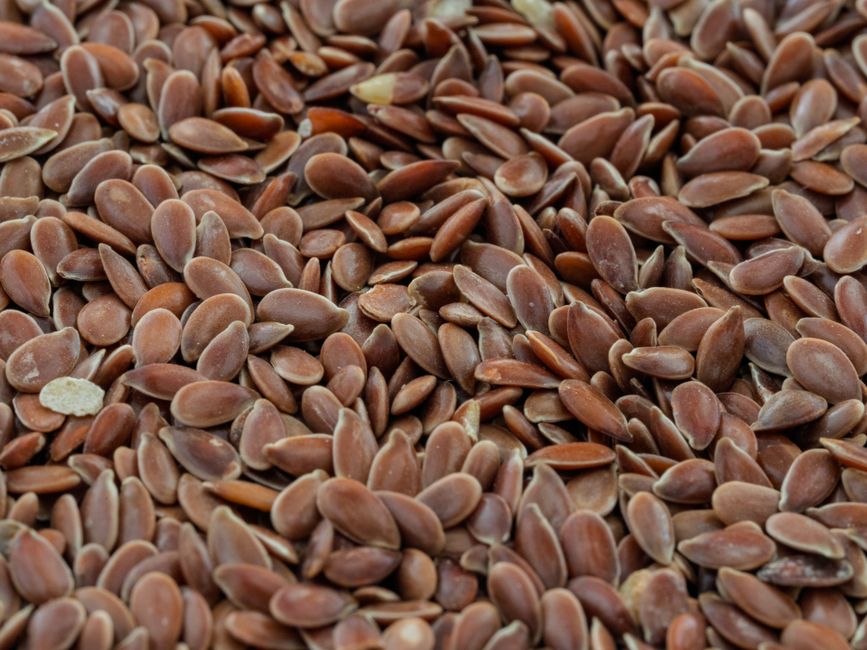
Flax is good for heart health, digestion, and hormone balance because it is packed with fiber, omega-3s, and plant compounds called lignans. These three components work together in ways most supplements cannot match. The key is knowing how to eat it and what to expect — because not all claims about flax are backed by solid evidence.
What Is Flax and Why Do People Use It?
Flax comes from the flax plant, a crop grown for thousands of years. People use the seeds and the oil pressed from them. The seeds are small, brown or golden, and have a mild nutty taste.
Flax contains three main components that make it useful. First is soluble fiber, which forms a gel in your gut. Second is alpha-linolenic acid (ALA), a plant-based omega-3 fat. Third are lignans, which act like weak estrogens in the body. These three things are why flax shows up in research on heart health, digestion, and even breast cancer risk.
Most people use flax as ground seeds, whole seeds, or oil. Each form has different effects. The form you choose matters more than most articles admit.
Does Flax Improve Heart Health?
Research shows that flax can lower blood pressure and improve cholesterol. A 2015 meta-analysis published in the journal Hypertension found that eating about 30 grams of flaxseed per day for six months lowered systolic blood pressure by 10 to 15 mmHg in people with hypertension. That is a meaningful drop.
Flax also lowers LDL cholesterol — the kind you do not want too much of. A review in the Journal of Nutrition in 2019 found that whole flaxseed reduced LDL by about 8 to 10 percent. The fiber in flax binds to cholesterol in your digestive tract and helps remove it before it enters your bloodstream.
But there is a catch. The ALA in flax is not the same as the omega-3s found in fish oil. Your body converts ALA to the active forms EPA and DHA, but only at a rate of about 5 to 10 percent. If you rely on flax for omega-3s, you need much more than a sprinkle on oatmeal. Ground flax is still good for your heart — just not as potent as fish oil for reducing triglycerides.
Can Flax Help With Digestion and Constipation?
Yes, and this is one of the best-supported uses of flax. The soluble fiber in flax absorbs water and forms a gel that softens stool and makes it easier to pass. One tablespoon of ground flax contains about 2 to 3 grams of fiber, which is meaningful for most people.
A 2018 study in the Journal of Medicinal Food compared flaxseed to a common laxative called lactulose. Researchers found that flaxseed worked just as well for constipation and caused less bloating. People who ate 10 to 15 grams of ground flax per day had more regular bowel movements within two to four weeks.
You need to drink enough water for this to work. Without water, the fiber can actually make constipation worse. Start with one tablespoon per day and increase slowly. Whole flaxseeds will pass through your body mostly undigested, so always grind them for digestive benefits.





What About Flax and Hormone Balance?
This is where things get complicated. Flax contains lignans, which are phytoestrogens — plant compounds that can mimic estrogen in the body. Some people claim flax can fix hormone imbalances, reduce hot flashes, or even lower breast cancer risk. The evidence is mixed.
Studies have found that lignans can bind to estrogen receptors, but they are much weaker than your body’s own estrogen. In some cases, they may block stronger estrogens from binding, which could lower cancer risk. A 2014 review in Cancer Epidemiology, Biomarkers & Prevention found that women with higher lignan intake had a slightly lower risk of postmenopausal breast cancer. The effect was modest, not dramatic.
For hot flashes, the evidence is weaker. Some studies show a small reduction in hot flash frequency, but others show no effect at all. A 2012 trial in Menopause found that 40 grams of ground flax per day reduced hot flashes by about 50 percent in some women, but the placebo effect in that study was also large. Do not expect flax to eliminate menopause symptoms.
For men, the concern about flax lowering testosterone is largely overblown. A 2021 systematic review found no significant effect of flaxseed on testosterone levels in men. The fear comes from animal studies that used massive doses, not human-relevant amounts.
What Is the Best Way to Eat Flax?
Ground flax is the most practical form. Whole seeds mostly pass through your body undigested, so you get little fiber or lignans. Flax oil contains ALA but no fiber or lignans, so it is not a complete replacement for the seed.
Store ground flax in the fridge or freezer. The oils can go rancid quickly at room temperature. Grind whole seeds in a coffee grinder or buy pre-ground flax that is refrigerated at the store.
Here is a quick comparison of the forms:
| Form | Fiber | ALA Omega-3 | Lignans | Best For |
|---|---|---|---|---|
| Whole seeds | Minimal (pass through) | Minimal | Minimal | Almost nothing |
| Ground seeds | High | High | High | Digestion, heart health, lignans |
| Flax oil | None | High | None | Omega-3s without fiber |
| Flax milk | Low to moderate | Low | Low | Milk alternative |
A typical serving is one to two tablespoons of ground flax per day. That gives you about 2 to 4 grams of fiber and a decent amount of ALA. You can mix it into oatmeal, yogurt, smoothies, or baked goods. Do not cook flax at high heat for long periods — the ALA can degrade.
Are There Side Effects or Risks?
Flax is safe for most people, but there are a few things to watch for. The fiber can cause bloating, gas, or cramping if you start with too much. Begin with one teaspoon per day and increase over a week or two.
Whole flaxseeds can be a choking hazard if not chewed well. This is rare but real, especially for older adults or people with swallowing difficulties. Always use ground flax for safety.
Flax contains compounds called cyanogenic glycosides, which can release small amounts of cyanide in the body. This sounds alarming, but the amounts are tiny. A 2019 safety review in the European Journal of Nutrition concluded that up to 50 grams of flax per day is safe for adults. That is about five tablespoons. Most people eat far less than that.
If you take blood thinners like warfarin, talk to your doctor before eating large amounts of flax. The ALA in flax has a mild blood-thinning effect, and the high fiber can change how medications are absorbed. Pregnant women should also be cautious — the estrogen-like effects of lignans are not well studied in pregnancy, so stick to food amounts rather than supplements.
Common Misconceptions About Flax
One popular claim is that flax can cure cancer. This is not true. Some studies suggest a lower risk of certain cancers in people who eat flax, but that is a correlation, not a cure. No clinical trial has shown that flax shrinks tumors or prevents cancer recurrence in humans. The evidence is promising but preliminary.
Another myth is that flax oil is the best form. Flax oil is useful for omega-3s, but it lacks fiber and lignans. If you buy flax oil hoping for the same benefits as ground flax, you will be disappointed. The oil is also highly unstable and goes rancid quickly.
Some people claim that flax can help with weight loss by suppressing appetite. The fiber in flax does make you feel fuller, but the effect is modest. A 2017 review in Nutrition Reviews found that flaxseed supplementation led to small weight loss — about 1 to 2 pounds over several months. That is not a weight loss miracle, but it can help as part of a larger plan.
Frequently Asked Questions
How much flax should I eat per day?
One to two tablespoons of ground flax per day is a reasonable amount for most adults. Start with one teaspoon and increase slowly to avoid digestive discomfort.
Can I eat flax seeds whole?
Whole flax seeds mostly pass through your body undigested, so you get little nutritional benefit. Always grind them for the best results.
Does flaxseed lower testosterone in men?
No. A 2021 systematic review found no significant effect of flaxseed on testosterone levels in men. The fear comes from animal studies that do not apply to humans.
Is flax oil as good as ground flax?
No. Flax oil contains omega-3s but lacks fiber and lignans. Ground flax gives you all three components and is generally more useful for health.
