
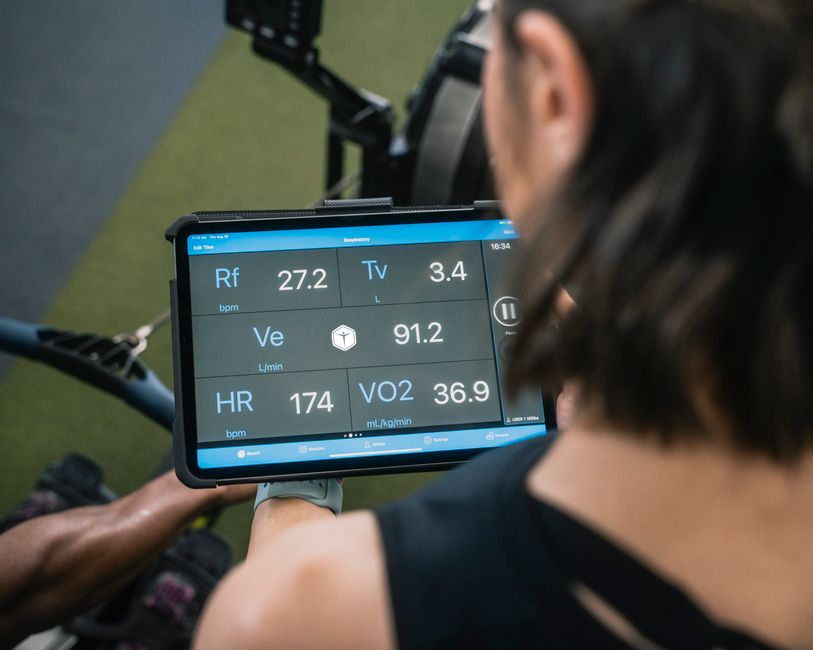
Taking your respiratory rate is simply counting how many breaths you take in one minute. You do not need any special equipment. Just a watch or timer and a quiet moment. To get an accurate reading, count the number of times your chest rises in 60 seconds. The normal range for a resting adult is 12 to 20 breaths per minute. This number can tell you a lot about your health, but most people never check it.
Why Should You Know How To Take Respiratory Rate?
Your breathing rate is one of the four vital signs. The others are body temperature, pulse, and blood pressure. Doctors and nurses check it for a reason. A change in your respiratory rate is often the first sign that something is off.
Research shows that an increased respiratory rate can signal a lung infection, heart problem, or even anxiety. A rate that is too low can mean a drug overdose or a neurological issue. The American Heart Association includes respiratory rate in its basic life support guidelines. Knowing how to take it gives you a simple way to monitor your own health at home.
Many people only check their pulse. But your breathing rate changes faster than your heart rate in response to stress or illness. It is a more sensitive early warning sign. The CDC notes that a rising respiratory rate is one of the early indicators of sepsis, a life-threatening response to infection. Catching that early matters.
How To Take Respiratory Rate Correctly Step by Step
Getting an accurate count is not hard, but most people do it wrong. The biggest mistake is telling the person you are counting their breaths. When people know they are being watched, they change how they breathe. This is called the Hawthorne effect. You need to be sneaky.
Step 1: Find a quiet place. Ask the person to sit or lie down. They should be relaxed and not have just exercised.
Step 2: Do not tell them what you are doing. Pretend to take their pulse. Place your fingers on their wrist like you are checking their heart rate. This hides what you are really counting.
Step 3: Watch their chest or stomach rise. One breath is one full cycle of inhale and exhale. Count the number of rises in 60 seconds. You can count for 30 seconds and multiply by two, but 60 seconds is more accurate.
Step 4: Write down the number. A normal result is between 12 and 20 breaths per minute for a healthy adult at rest.
If you are taking your own rate, sit still for a few minutes first. Then place your hand on your chest and count. Try not to think about your breathing. If you find yourself taking deeper breaths, start over.
What Does a Normal Respiratory Rate Look Like?
A normal resting respiratory rate for adults is 12 to 20 breaths per minute. This range comes from decades of clinical data used by the World Health Organization and major medical textbooks. It applies to most healthy adults between 18 and 65 years old.
Children breathe faster. Newborns can have a normal rate of 30 to 60 breaths per minute. That rate slows as they grow. By age six, it is closer to 18 to 30. By adolescence, it matches the adult range. Older adults over 65 often have a slightly higher resting rate, around 16 to 25 breaths per minute. This is not necessarily a problem, but it is worth knowing your personal baseline.
Athletes and people who practice deep breathing techniques may have a lower resting rate. Some fall to 10 or 11 breaths per minute and are perfectly healthy. The key is consistency. If your rate jumps from 14 to 22 without a clear reason, that is a signal to pay attention.





What Can Cause Your Respiratory Rate to Be Too High or Too Low?
A high respiratory rate is called tachypnea. This means more than 20 breaths per minute in an adult at rest. Common causes include fever, anxiety, asthma, pneumonia, or a blood clot in the lung. Even dehydration can raise your rate because your body works harder to get oxygen.
A low respiratory rate is called bradypnea. This means fewer than 12 breaths per minute. This can happen during deep sleep, but it is also caused by opioid medications, alcohol, or sedatives. A rate below 8 is dangerous and requires immediate medical attention. It can lead to not enough oxygen reaching your brain.
Some studies suggest that a consistently high resting respiratory rate is linked to a higher risk of heart attack. Research published in the journal Respiration found that a rate above 22 breaths per minute was a strong predictor of cardiac arrest in hospital patients. This does not mean you should panic if your rate is 21. But it is a number worth tracking.
How To Take Respiratory Rate in Children and Infants
Taking a child’s respiratory rate is different. Children are smaller and breathe faster. They also get distracted easily. The same rule applies: do not let them know you are counting.
For infants, watch their belly move up and down. Babies are belly breathers. Their chest barely moves. Count for a full 60 seconds because their rhythm can be irregular. A newborn rate between 30 and 60 is normal. If it drops below 20 or goes above 70, call a doctor.
For toddlers and young children, you can count while they are sleeping or watching a show. A rate of 20 to 30 is normal for a one-year-old. By age five, 20 to 25 is typical. If you notice your child breathing fast while resting, check for a fever or listen for a cough. Fast breathing is often the first sign of a respiratory infection in children.
One study in Pediatrics found that parents who learned to take their child’s respiratory rate at home caught early signs of pneumonia faster than those who only checked for fever. It is a simple skill with real benefits.
Common Mistakes When Taking Respiratory Rate
Most people make the same errors. Knowing them helps you avoid them.
- Telling the person you are counting. This changes their breathing pattern. Always count secretly.
- Counting for only 15 seconds. This multiplies errors. Fifteen seconds of irregular breathing becomes a misleading number. Count for at least 30 seconds, ideally 60.
- Counting after exercise. Your rate stays elevated for minutes after activity. Wait until you have been resting for at least five minutes.
- Mistaking a sigh for a breath. People sigh every few minutes. A sigh is a deep inhale and exhale. Count it as one breath. Do not count it as two.
- Relying on a smartphone app. Many apps claim to measure breathing rate using your phone’s camera. Evidence from a 2023 review in JMIR mHealth and uHealth found these apps vary wildly in accuracy. Some were off by four or more breaths per minute. A manual count is still more reliable.
Avoid these pitfalls and your measurement will be useful.
How To Track Your Respiratory Rate Over Time
One reading is not very helpful. A trend is what matters. Take your respiratory rate at the same time each day for a week. Morning before getting out of bed is best because you are most relaxed.
Write each number down. Note anything unusual from the day before. Did you exercise hard? Did you have a fever? Did you drink alcohol? These factors change your rate. Over time, you will see your personal normal range.
If your resting rate starts climbing day after day without a clear reason, it is worth a call to your doctor. A slow upward trend can be an early sign of a lung condition like COPD or a heart issue like heart failure. The American Lung Association recommends tracking breathing changes as part of managing chronic respiratory disease.
You do not need to track forever. A week or two gives you a solid baseline. After that, check it only when you feel off or when you are recovering from an illness. It is a tool, not a chore.
Frequently Asked Questions
What is the normal respiratory rate for an adult?
12 to 20 breaths per minute is normal for a healthy adult at rest. Rates above or below this range may need medical attention.
How do you take a respiratory rate without the person knowing?
Pretend to take their pulse by holding their wrist. Count chest rises for 60 seconds while they think you are checking their heart rate.
Can I use my phone to measure respiratory rate?
Some apps try to measure it, but their accuracy is inconsistent. A manual count of 60 seconds is still the most reliable method.
When should I be worried about my respiratory rate?
If your resting rate is above 24 or below 8 breaths per minute, or if it has been steadily rising over several days, contact a doctor.
