
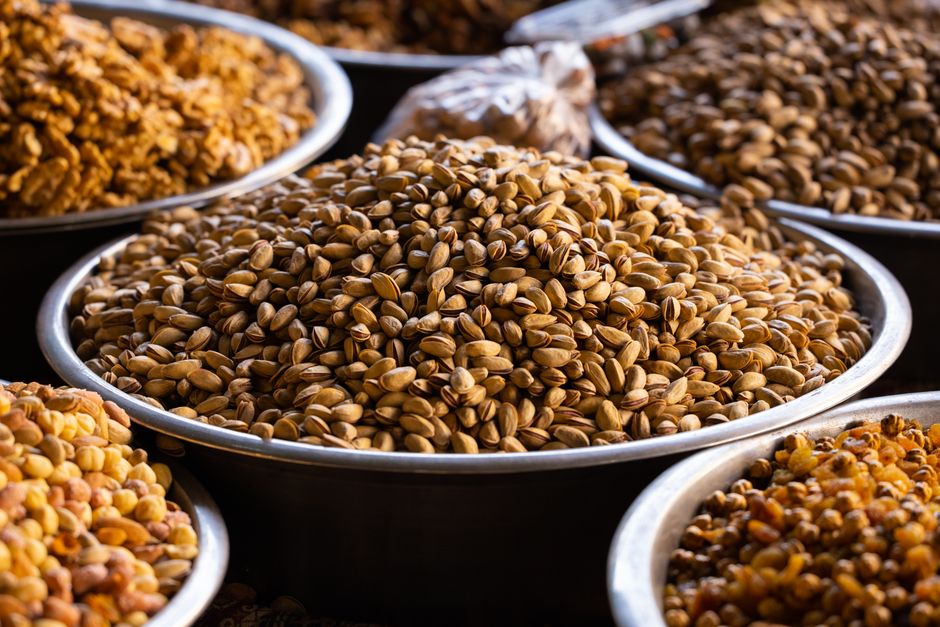
Fenugreek is a small seed with a long history in cooking and traditional medicine. Today it shows up in spice racks, teas, and supplements sold for blood sugar, breast milk, and testosterone. The strongest human evidence for fenugreek centers on blood sugar and breast milk supply. Most other claims rest on small studies, animal research, or traditional use rather than solid human trials.
That gap matters. Fenugreek is not a single drug with one effect. It contains fiber, plant compounds called saponins, and an amino acid called 4-hydroxyisoleucine. Different seed preparations deliver different amounts of these compounds. A teaspoon of spice in your curry is not the same as a concentrated capsule. So when someone asks what fenugreek is good for, the honest answer depends on the dose, the form, and the specific claim.
What Is Fenugreek Good For?
The two areas with the most human research are blood sugar control and milk production in breastfeeding women.
For blood sugar, several small trials have found that fenugreek seed powder or extract can lower fasting blood glucose and improve glucose tolerance in people with type 2 diabetes. A compound in the seed called 4-hydroxyisoleucine appears to stimulate insulin release when glucose is present. The seed’s soluble fiber may also slow sugar absorption from the gut. These are plausible mechanisms, and the human data are consistent in direction. But the trials are small, often short, and use different preparations. No major clinical guideline recommends fenugreek as a standard diabetes treatment.
For milk supply, fenugreek is one of the most commonly used herbal galactagogues — substances believed to increase breast milk. Some small studies suggest it may help, particularly in mothers with low supply. But results are mixed. A review of the evidence found the studies too small and too varied to draw firm conclusions. Because this involves breastfeeding and infants, that uncertainty matters. Anyone considering fenugreek while nursing should talk to a doctor or lactation consultant first.
Does Fenugreek Actually Lower Blood Sugar?
Some evidence suggests it can, at least modestly, in people with type 2 diabetes.
The mechanism is reasonably well understood. Fenugreek seeds are about half fiber by weight, much of it soluble fiber. Soluble fiber forms a gel in the gut that slows the release of glucose into the bloodstream. Separately, 4-hydroxyisoleucine appears to prompt the pancreas to release insulin only when blood sugar is elevated, which is different from how most diabetes drugs work.
That said, the clinical picture is not settled. Studies have used doses ranging from a few grams of seed powder to concentrated extracts, taken with meals or between them. Some trials report meaningful drops in fasting glucose. Others show little effect. Very few have run longer than a few months, and few have measured hard outcomes like heart disease or long-term complications.
One practical point: fenugreek can lower blood sugar enough to matter if you already take insulin or a sulfonylurea. Combining them could push glucose too low. This is a real interaction, not a theoretical one. If you take diabetes medication, do not add fenugreek without telling your doctor.
Can Fenugreek Increase Breast Milk Supply?
This is the claim that drives most fenugreek sales, and the evidence is weaker than the marketing suggests.
Fenugreek has been used for centuries in some cultures to support lactation. The theory is that its plant compounds may mimic estrogen or otherwise influence prolactin, the hormone that drives milk production. That theory is not well confirmed in humans.
A small number of studies have looked at fenugreek in breastfeeding mothers, and some reported increased milk volume. But the studies were small, often lacked a proper control group, and used inconsistent doses. When researchers reviewed the galactagogue evidence as a whole, they concluded that no herb — including fenugreek — has been proven effective in well-designed trials.
This does not mean it does nothing. It means we do not know. For a breastfeeding mother, the more reliable levers are frequent feeding or pumping, correct latch, and addressing any underlying issue like a tongue tie or low thyroid function. A lactation consultant can help with these. Fenugreek is sometimes tried when those steps are not enough, but it should not be the first move.
Safety in this group is also not fully established. Fenugreek has been linked to gastrointestinal upset in infants in some case reports, and it can interact with diabetes and blood-thinning medications. Because the stakes involve a newborn, caution is warranted.




What About Testosterone and Male Health?
Fenugreek is widely sold as a testosterone booster. The human evidence is thin and inconsistent.
A few small studies in men have reported changes in free testosterone, libido, or strength. Others found no effect. The studies were short, involved few participants, and often used proprietary blends whose exact contents were not disclosed. That makes them hard to interpret or repeat.
There is also a measurement problem. Some studies looked at “free testosterone” — the fraction not bound to proteins — rather than total testosterone. Free testosterone can fluctuate for many reasons, and a change in that number does not automatically mean a meaningful change in health or performance.
If you have symptoms of low testosterone, like persistent fatigue, low sex drive, or loss of muscle, the right step is a blood test and a conversation with a doctor. A supplement is not a substitute for that. No major medical organization recommends fenugreek for low testosterone.
Does Fenugreek Help With Appetite or Weight?
Fenugreek may slightly reduce appetite, mainly because of its fiber content. That is a modest, indirect effect, not a weight-loss mechanism.
Soluble fiber slows stomach emptying and can increase feelings of fullness. This is true of many high-fiber foods, not just fenugreek. Some small studies have reported reduced calorie intake or modest weight changes when fenugreek was added to the diet, but the effects were small and the studies short.
No credible evidence shows fenugreek causes meaningful weight loss on its own. Anyone marketing it as a fat burner is overstating what the research supports.
Is Fenugreek Safe, and Who Should Avoid It?
For most people, fenugreek used as a spice in food is considered safe. Higher doses in supplement form carry more risk, and some groups should avoid it.
Common side effects from larger doses include stomach upset, bloating, and diarrhea. Fenugreek can also cause a maple-syrup smell in urine and sweat, which is harmless but surprising if you do not expect it.
People who should be cautious or avoid it include:
- Anyone taking diabetes medication, especially insulin or sulfonylureas, because of low blood sugar risk
- Anyone taking blood-thinning medication like warfarin, because fenugreek may add to the effect
- Pregnant women, because fenugreek has been linked to uterine contractions and is generally not recommended in pregnancy
- People with a peanut or chickpea allergy, since fenugreek is in the same plant family and cross-reactivity has been reported
Fenugreek can also reduce absorption of some oral medications if taken at the same time, because of its fiber and mucilage content. Spacing doses apart is often advised, but the exact timing is not well established in guidelines.
How Does Fenugreek Compare to Other Options?
Fenugreek is not the only option for the two areas where it has the most evidence, and it is rarely the best one.
| Goal | Fenugreek evidence | Better-established options |
|---|---|---|
| Lower blood sugar | Small trials, modest effect | Diet, exercise, metformin, other prescribed drugs |
| Increase milk supply | Mixed, low-quality studies | Frequent feeding, correct latch, lactation support |
| Raise testosterone | Weak, inconsistent | Medical evaluation and treatment if indicated |
| Reduce appetite | Small, indirect effect | Higher overall fiber intake, protein, portion control |
The pattern here is consistent. Fenugreek shows up as a supporting player, not a leading one. Where it has any real signal, it is modest and comes with caveats about study quality, dose, and interactions.
How Should You Approach Fenugreek Supplements?
Treat fenugreek as a food first and a supplement second. As a spice, it is a safe, flavorful addition to curries, stews, and teas. As a concentrated capsule, it becomes something closer to a drug, with real interactions and unclear dosing.
If you decide to try it, a few things help:
- Tell your doctor, especially if you take any prescription medication
- Choose products with a stated amount of fenugreek per dose, not vague proprietary blends
- Start with a low amount and watch for stomach upset or unusual symptoms
- Do not stop or replace a prescribed treatment on your own
Supplements in the United States are not reviewed for effectiveness before they are sold. That means the label may not match the contents, and claims on the bottle are not held to the same standard as drug claims. This is not a reason to avoid all supplements, but it is a reason to be skeptical of strong promises.
Frequently Asked Questions
What is fenugreek good for?
The best human evidence is for modest blood sugar control in type 2 diabetes and for milk supply in breastfeeding, though the lactation evidence is mixed. Other claims, like testosterone boosting, rest on weak or inconsistent studies.
Does fenugreek really increase breast milk?
Some small studies suggest it might, but reviews of the evidence found the studies too weak to confirm a real effect. Frequent feeding and lactation support remain the more reliable approaches.
Can fenugreek lower blood sugar too much?
It can contribute to low blood sugar if you also take insulin or a sulfonylurea. Talk to your doctor before combining fenugreek with any diabetes medication.
Who should not take fenugreek?
Pregnant women, people on blood thinners, people with a peanut or chickpea allergy, and anyone on diabetes medication should avoid it or check with a doctor first. Food amounts are generally considered safe for most others.
