
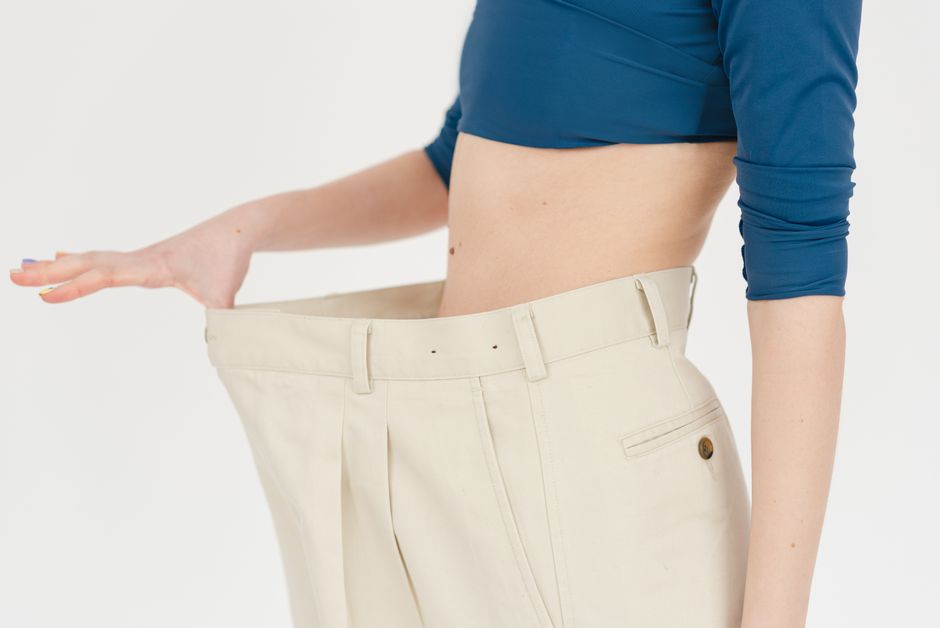
Fat loss is the reduction of stored body fat. Weight loss is a drop in total body weight, which can come from fat, muscle, water, or glycogen. Those are not the same thing, and the difference matters for how you look, how you feel, and how well your body works.
Most people step on a scale and treat the number as the whole story. It is not. You can lose weight without losing much fat, and you can lose fat while the scale barely moves. Understanding why comes down to basic physiology, not willpower or willpower failure.
What Is Fat Loss And How Is It Different From Weight Loss?
Fat loss specifically means your body is breaking down stored fat and using it for energy. Weight loss means the number on the scale went down, whatever the cause.
Adipose tissue, the medical term for body fat, is stored energy. When you eat fewer calories than your body burns, or move more than usual, your body draws on that stored energy. Fat cells release fatty acids that get burned for fuel. Over time, if this continues, fat mass goes down.
The scale cannot tell you which tissue you lost. A pound of fat and a pound of muscle weigh the same. But muscle is denser, so a pound of muscle takes up less space than a pound of fat. That is why two people at the same weight can look very different.
Water shifts are the biggest reason the scale lies. Eat a salty meal, and you may hold several pounds of water overnight. Cut carbohydrates sharply, and you can drop weight fast as your body releases water stored with glycogen. None of that is fat loss. It comes back.
Why Does The Scale Not Tell The Whole Story?
Body weight at any moment is a mix of fat, muscle, bone, organs, water, and the food still in your digestive tract. Only one of those is fat.
Here is the part most people miss. When you lose weight quickly, a meaningful share can come from lean tissue, meaning muscle and organ tissue. Muscle burns more calories at rest than fat does, so losing muscle can work against you over time. This is one reason crash diets tend to backfire.
Water makes up roughly 50 to 60 percent of body weight in adults, though this varies with body composition, age, and sex. Small changes in hydration, sodium, hormones, and even room temperature can shift the number by a few pounds in a single day. Fat does not move that fast.
For a truer picture, look at trends over weeks, not days. Waist measurements, how clothes fit, and progress photos often track fat change better than a daily weigh-in.
How Do You Know If You Are Losing Fat Or Just Weight?
No home method measures fat loss perfectly, but several together give a reasonable picture.
- Waist circumference. A tape measure around the belly at the level of your navel, taken the same way each time, reflects fat around the organs better than weight alone.
- How clothes fit. If your waistband loosens while your weight holds steady, fat is likely coming off and muscle is holding.
- Strength and energy. Maintaining or gaining strength while weight drifts down suggests you are preserving muscle.
- Progress photos. Taken monthly in similar lighting, they reveal shape changes the scale hides.
- Body composition scans. Methods like DEXA, which uses low-dose X-rays, estimate fat and lean mass separately. They are the closest thing to a direct measurement, but they cost money and are not needed for most people.
Bioelectrical impedance scales, the kind that send a small current through your feet, estimate body fat. They are sensitive to hydration, so readings can swing. They can be useful for tracking a trend if you use them under the same conditions each time, but a single reading is not reliable.




What Actually Drives Fat Loss?
Fat loss happens when your body burns more energy than it takes in, sustained over time. That is the part that is not really in dispute.
Calories are a measure of energy. Your body needs a certain amount each day to run your heart, brain, lungs, and everything else at rest. This is your resting metabolic rate. Add movement, digestion, and daily activity, and you get total daily energy expenditure.
When you consistently eat below that total, your body taps stored fat for the gap. Protein intake, resistance training, and sleep quality all influence how much of the loss comes from fat versus muscle. Getting enough protein and lifting weights help protect lean tissue. Poor sleep and high stress can make fat loss harder by affecting appetite hormones and recovery.
What does not reliably drive fat loss on its own: detox teas, waist trainers, fat-burning supplements, and most products marketed for spot reduction. No supplement has been shown in large human trials to produce meaningful fat loss without changes to diet or activity. Spot reduction, the idea that exercising one area burns fat there, is not supported by evidence. Your body draws fat from wherever it prefers, largely based on genetics and hormones.
Why Does Weight Loss Sometimes Happen Without Fat Loss?
Several things drop the scale number without touching fat.
Water loss is the most common. Low-carbohydrate diets cause a rapid drop in the first week or two because glycogen, the stored form of carbohydrate in muscle and liver, holds water with it. When glycogen falls, that water goes too. It is real weight loss. It is not fat loss.
Muscle loss is another. Severe calorie restriction without enough protein or resistance training can strip lean tissue. The scale rewards you while your body composition gets worse.
Digestive contents matter too. The food and fluid in your gut at any given moment can add a pound or two. This is why weighing yourself at the same time each day, ideally in the morning before eating, gives more consistent readings.
Illness, certain medications, and medical conditions can also cause weight loss that has nothing to do with fat. Unintended weight loss should always be discussed with a doctor.
Is Fat Loss Always The Goal?
Not necessarily. Body fat is not the enemy. It stores energy, cushions organs, and helps regulate hormones. Too little body fat causes its own problems, including hormonal disruption and impaired immune function.
What matters for health is where fat is stored and how much. Fat around the abdomen, called visceral fat, is linked to higher risk of heart disease and type 2 diabetes. Fat under the skin, called subcutaneous fat, is less strongly tied to those risks. This is why waist measurement can say more about health than weight alone.
The goal for most people is not zero fat. It is a body composition that supports how they want to move and feel. That usually means enough muscle to stay strong and a fat level in a range their body handles well. What that range is varies by person, age, and health history. A doctor can help interpret it.
Frequently Asked Questions
Can you lose fat without losing weight?
Yes. If you gain muscle while losing fat, the scale can stay the same or even rise while your body composition improves. Waist measurements and how clothes fit often show the change before weight does.
How fast can you lose fat safely?
General guidance from health authorities suggests aiming for gradual loss, often described as about one to two pounds per week, though this varies by starting weight and individual factors. Faster loss raises the risk of losing muscle and is harder to sustain.
Does sweating more mean you are losing more fat?
No. Sweat is water and electrolytes, not fat. Any weight lost through sweating comes back once you rehydrate, and fat is not excreted through sweat.
Do fat-burning supplements work?
No supplement has been shown in large human trials to produce meaningful fat loss on its own. Some ingredients have small effects in specific studies, but results are inconsistent and not comparable to changes in diet and activity.
