
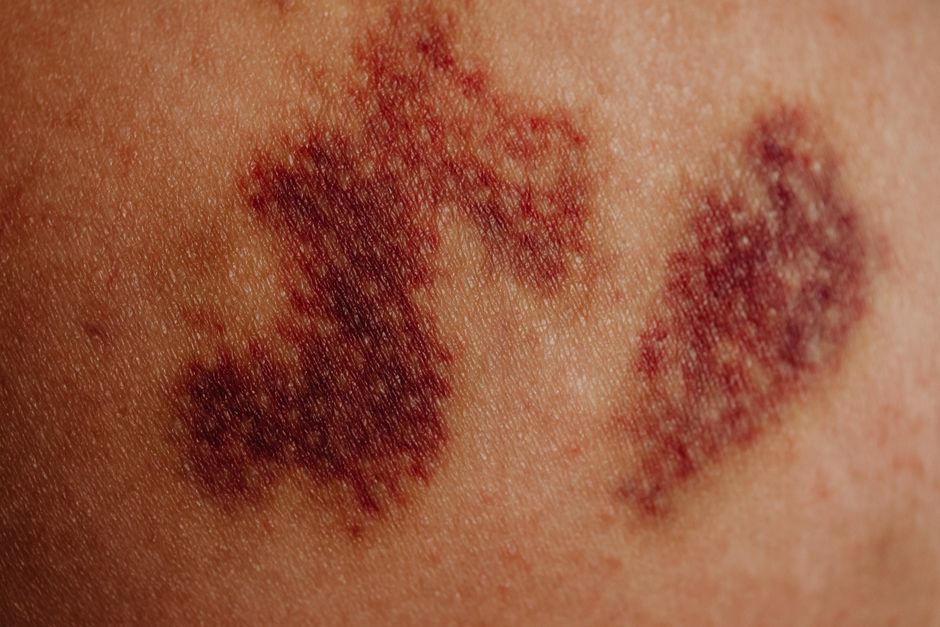
External bleeding is any loss of blood from a wound that breaks the skin. Blood exits the body where it can be seen. The three main types are capillary, venous, and arterial. Treatment always starts with direct pressure applied firmly to the wound. Most external bleeding can be stopped with this one step. For severe bleeding, more advanced methods may be needed.
What Is External Bleeding?
External bleeding happens when blood leaves the body through a break in the skin. It is different from internal bleeding, where blood stays inside the body. External bleeding is visible and usually easier to control. The severity depends on the size of the wound, the type of blood vessel damaged, and how quickly the bleeding is managed.
The body has natural clotting mechanisms that help stop minor bleeding. But larger wounds or injuries to major blood vessels require immediate first aid. The goal of treatment is to stop blood loss, prevent shock, and reduce the risk of infection.
What Are the Different Types of External Bleeding?
The three main types of external bleeding are capillary, venous, and arterial. Each behaves differently and requires slightly different first aid.
| Type | Blood Color | Flow Pattern | Severity |
|---|---|---|---|
| Capillary | Bright red | Slow oozing | Mild |
| Venous | Dark red | Steady, even flow | Moderate to severe |
| Arterial | Bright red | Spurting with each heartbeat | Severe, life-threatening |
Capillary bleeding is the most common. It occurs from scrapes and minor cuts. Venous bleeding comes from veins. It flows steadily but can be heavy if a large vein is cut. Arterial bleeding is the most dangerous. The blood spurts in time with the pulse and can lead to rapid blood loss.
How Do You Treat External Bleeding?
First aid for external bleeding follows a clear sequence. The most important step is applying direct pressure. Place a clean cloth or gauze pad directly over the wound. Press down firmly with your hand. Do not lift the cloth to check the wound. If blood soaks through, add another layer on top and keep pressing.
If possible, elevate the injured area above the heart while maintaining pressure. This helps reduce blood flow to the wound. For a bleeding arm or leg, raising it can slow the bleeding. Do not elevate if you suspect a broken bone or if it causes more pain.
Once the bleeding stops, secure the dressing with a bandage. Do not wrap it too tight. The bandage should hold pressure but not cut off circulation. Check for feeling, warmth, and color beyond the bandage. If the limb turns pale or blue, loosen the bandage.
For minor capillary bleeding, cleaning the wound with soap and water and applying a bandage is usually enough. For heavier bleeding, follow the same pressure steps and seek medical care if the bleeding does not stop within 15 minutes.





When Should You Seek Emergency Help for External Bleeding?
Some external bleeding requires immediate medical attention. Call 911 or go to an emergency room if:
- Bleeding does not stop after 15 minutes of continuous direct pressure
- The wound is deep, gaping, or has jagged edges
- Blood is spurting or pulsing with each heartbeat
- The person feels dizzy, weak, confused, or is breathing fast
- The wound was caused by a serious accident, like a car crash or knife wound
- An object is embedded in the wound
- The person is on blood thinner medication
Do not remove an embedded object. Apply pressure around it and let emergency personnel handle removal. Signs of shock—pale skin, rapid pulse, shallow breathing—mean the blood loss is significant. Keep the person lying down and warm until help arrives.
Can You Use a Tourniquet for External Bleeding?
A tourniquet is a tight band placed around a limb to stop arterial blood flow. It is only used for life-threatening bleeding that cannot be controlled with direct pressure. This usually happens with severe arm or leg wounds, such as from a chainsaw, gunshot, or major accident.
Tourniquets have become more common in civilian first aid, but they still carry risks. Incorrect placement can cause nerve damage or tissue death. If you use one, place it 2-3 inches above the wound, not over a joint. Tighten it until the bleeding stops. Write down the time it was applied. Do not loosen it once it is on. Leave that for emergency room staff.
For most everyday bleeding, direct pressure is enough. Tourniquets should only be used when direct pressure fails and the situation is clearly life-threatening. The Stop the Bleed campaign recommends them for uncontrolled extremity bleeding. But for minor or moderate bleeding, they are not necessary.
What About Pressure Points for External Bleeding?
Some first aid courses teach using pressure points to slow bleeding. This involves pressing an artery against a bone above the wound, such as the brachial artery in the arm or the femoral artery in the groin. The idea is to reduce blood flow to the injured area.
However, evidence for pressure points is limited. Many current first aid guidelines no longer emphasize them. Direct pressure is simpler and often just as effective. Some studies suggest that using pressure points can be difficult to do correctly and may delay more effective treatment. If you are untrained, stick with direct pressure and elevation.
How to Prevent Infection in External Wounds
Once bleeding is controlled, infection prevention is the next priority. Clean the wound gently with clean water and mild soap. Remove any dirt or debris. For small cuts, an over-the-counter antibiotic ointment can be applied. Cover the wound with a sterile bandage or dressing.
Change the bandage daily or whenever it gets wet or dirty. Watch for signs of infection: increasing redness, swelling, warmth, pus, or red streaks spreading from the wound. A fever can also indicate infection. Seek medical care if any of these signs appear.
For deep wounds or those caused by dirty objects, a tetanus shot may be needed. Adults should get a tetanus booster every 10 years. If you cannot remember your last shot and the wound is deep or dirty, ask your doctor.
Frequently Asked Questions
How do you treat external bleeding at home?
Apply firm direct pressure to the wound with a clean cloth or gauze for at least 10-15 minutes. Elevate the area if possible. Once bleeding stops, clean the wound and cover it with a sterile bandage.
When should you apply a tourniquet for external bleeding?
Only apply a tourniquet for life-threatening bleeding on an arm or leg that cannot be stopped with direct pressure. Place it 2-3 inches above the wound, tighten until bleeding stops, and note the time. Seek emergency care immediately.
Can arterial bleeding be stopped with direct pressure alone?
Direct pressure can often slow or stop arterial bleeding, especially if applied correctly and firmly. But arterial bleeding can be very forceful. If pressure does not stop the spurting, call 911 and continue pressing until help arrives.
What is the difference between venous and arterial external bleeding?
Venous bleeding is dark red and flows steadily. Arterial bleeding is bright red and spurts in time with the pulse. Arterial bleeding is more dangerous because blood is lost more quickly.
