
EHS stands for Environmental, Health, and Safety. In the workplace, it is the system companies use to protect employees from hazards and to follow the law. But the term also causes confusion. Some people search for “EHS” thinking it is a medical diagnosis, like a specific illness. It is not. It is a professional field and a set of workplace practices. Understanding the difference matters because the steps you take to address a workplace hazard are very different from the steps you take to address a personal health symptom.
What Is EHS Workplace Safety And A Health Condition?
EHS is a workplace discipline. It covers the rules, training, and equipment that keep people safe on the job. The “Environmental” part deals with things like air quality, chemical exposure, and waste. The “Health” part involves preventing injuries and illnesses caused by work. The “Safety” part covers the physical hazards that can cause immediate harm, like falls, machinery, or fires.
It is not a disease. It is not a syndrome. It is a management system. When a company says it has an “EHS program,” it means it has procedures to identify hazards, train workers, and respond to incidents. When someone searches for EHS as a health condition, they are often actually looking for information about a specific illness they were told about at work, or they misheard a term during a safety meeting.
What Does an EHS Program Actually Do?
An EHS program is built on a simple cycle: identify, prevent, train, respond. The team walks through the workplace to find hazards. They fix what they can and put safeguards around what they cannot fix. They train employees on how to do the job safely. If something goes wrong, they investigate to stop it from happening again.
Common elements of an EHS program include:
- Hazard communication — telling workers about chemicals they handle
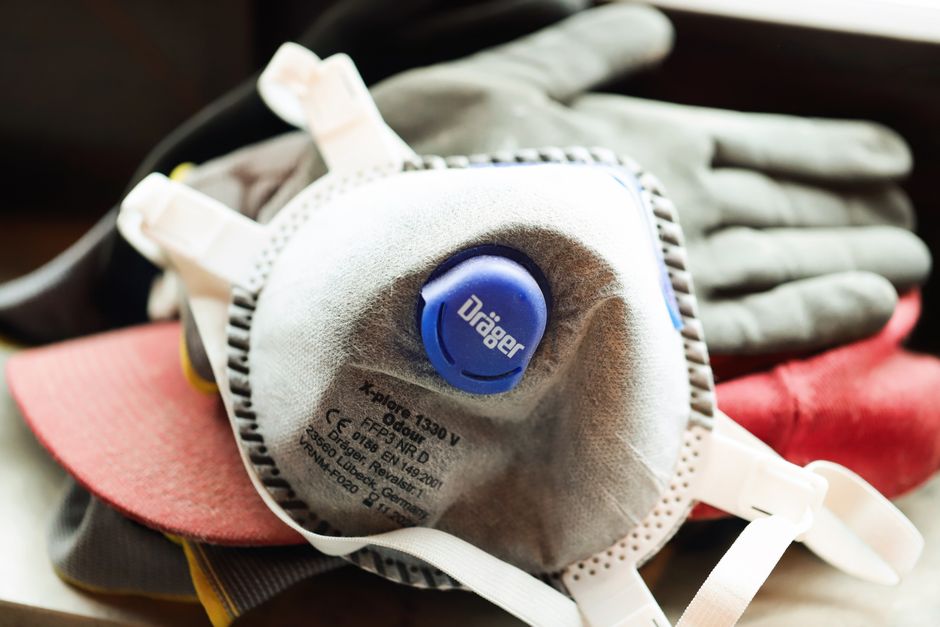
- Personal protective equipment — gloves, hard hats, respirators, safety glasses
- Emergency action plans — what to do in a fire, spill, or active threat
- Ergonomics — adjusting workstations to prevent strain injuries
- Incident reporting — a clear way for workers to report problems without fear
- Industrial hygiene — measuring noise, dust, fumes, and other exposures
These systems are not optional decoration. In the United States, the Occupational Safety and Health Administration (OSHA) sets legal standards that most private-sector employers must follow. OSHA can fine companies for violations that put workers at risk. Many companies go beyond the legal minimum because good safety records reduce injuries, lower insurance costs, and improve employee retention.
Why Do People Confuse EHS with a Medical Condition?
The confusion usually comes from a few places. First, the word “health” is right there in the name. If you hear “EHS health,” it sounds like a diagnosis. Second, some people search after being told they have a work-related illness and they do not remember the exact medical name. They type in what they remember from the safety paperwork, which is often “EHS.”
There is also a real condition called electromagnetic hypersensitivity (EHS). Some people use that abbreviation for a condition where they report symptoms like headaches, fatigue, and skin irritation when near electronic devices. That is a completely different thing from workplace EHS. The medical evidence for electromagnetic hypersensitivity as a distinct illness is weak. Multiple studies have shown that people report symptoms whether or not a device is actually emitting signals, which suggests the symptoms are not caused by the electromagnetic field itself. If you are experiencing symptoms you believe are linked to electronics, that is a conversation for a doctor — not a workplace safety department.





What Health Conditions Are Actually Linked to Work?
Workplace EHS programs exist because work genuinely causes illness. Some conditions are directly caused by the job. Others are made worse by it. The most common categories are clear and well documented.
Respiratory conditions come from breathing in dust, fumes, or chemicals. Construction workers, miners, and firefighters face higher rates of lung disease. Silica dust causes a specific disease called silicosis. Asbestos exposure causes mesothelioma. These are not vague risks — they are recognized occupational diseases with clear exposure histories.
Musculoskeletal injuries are the most common workplace health problem. Lifting, repetitive motion, and awkward postures cause back injuries, tendonitis, and carpal tunnel syndrome. These injuries account for a large share of workers’ compensation claims every year.
Hearing loss is another major one. Working around loud machinery without hearing protection causes permanent, irreversible damage. This is completely preventable with proper ear protection, which is why EHS programs monitor noise levels.
Skin conditions like contact dermatitis result from handling chemicals without gloves. Heat stress affects outdoor workers in summer. Mental health conditions like burnout and post-traumatic stress are increasingly recognized as work-related, especially in high-stress fields like emergency response and healthcare.
How Do You Know If Your Symptoms Are Work-Related?
This is where the confusion between workplace EHS and personal health becomes important. If you have symptoms and you are wondering if work caused them, the answer is not in a safety manual. You need medical evaluation.
Start by seeing a doctor. Describe your symptoms and your job duties clearly. Tell them what you handle, what you breathe, and how long you have worked there. If you work with chemicals, bring the safety data sheets (SDS) from your workplace. These documents list the ingredients of the products you use and the known health effects of each ingredient.
If your doctor believes your condition is work-related, they can help you file a workers’ compensation claim. This is a state-run system that pays for medical care and lost wages when an injury or illness is caused by the job. The process varies by state, and there are strict deadlines for reporting. Report symptoms to your employer in writing as soon as you suspect a connection. Waiting can jeopardize your claim.
What Should You Do If You Face a Workplace Hazard?
You have legal rights. The first step is to report the hazard to your supervisor or the EHS department. Many problems get fixed simply because no one mentioned them. If the hazard is not fixed, you can file a complaint with OSHA. You can request an inspection without giving your name. OSHA is legally required to keep complainants confidential.
You also have the right to refuse to do a task if you genuinely believe it will cause serious injury or death. This protection only applies in specific circumstances: the danger must be real and immediate, you must have asked the employer to fix it, and there must be no reasonable alternative. This is not a tool for avoiding unpleasant work. It is a serious legal protection for imminent danger.
If you are injured, seek medical care first. Then report the injury to your employer within the required timeframe. Most states require reporting within 30 days, but some require less. Do not assume a minor injury will go away. Small problems can become permanent disabilities if untreated.
What Does the Evidence Say About Prevention?
Workplace EHS programs work. Studies consistently show that companies with strong safety programs have fewer injuries. The most effective programs share common features: visible management commitment, worker involvement in safety decisions, regular training, and a system for reporting near-misses without punishment.
The evidence is strongest for specific interventions. Engineering controls — like machine guards, ventilation systems, and noise barriers — are more effective than asking workers to behave carefully. That is why OSHA regulations prioritize engineering controls over personal protective equipment. A ventilation hood that removes fumes is better than a respirator that filters them. A guard on a saw is better than a warning sign.
Training also matters, but it has limits. A well-trained worker in a poorly designed workplace will still get hurt. The best programs combine good equipment, good procedures, and good training together. No single element is enough.
When Is a Symptom an Emergency?
Some workplace symptoms require immediate medical attention. Chest pain, difficulty breathing, sudden weakness, confusion, or severe headache could be signs of a heart attack, stroke, or toxic exposure. Do not wait to see if it passes. Call 911 or go to an emergency room.
Chemical exposures can cause symptoms that appear hours later. If you inhaled fumes and feel fine now, that does not mean you are safe. Some gases cause delayed lung damage. If you swallowed or splashed a chemical on your skin, call poison control at 1-800-222-1222. They are free, confidential, and available 24 hours a day. Have the chemical name or product label ready.
If you have a chronic condition like asthma or diabetes, workplace exposures can trigger severe episodes. Know your triggers and carry your medications. If your employer knows about your condition, they are legally required to provide reasonable accommodations under the Americans with Disabilities Act, as long as the accommodation does not cause undue hardship to the business.
Frequently Asked Questions
Is EHS a medical diagnosis?
No. EHS stands for Environmental, Health, and Safety, which is a workplace management system. It is not a disease, syndrome, or medical condition.
What does EHS stand for in the workplace?
It stands for Environmental, Health, and Safety. It covers how companies manage workplace hazards, prevent injuries, and comply with safety laws.
Can workplace EHS issues cause health problems?
Yes. Poorly managed workplace hazards can cause respiratory disease, hearing loss, musculoskeletal injuries, and skin conditions. That is exactly why EHS programs exist.
What should I do if I think my illness is caused by my job?
See a doctor first and describe your job duties clearly. Then report your symptoms to your employer in writing and ask about filing a workers’ compensation claim.
