
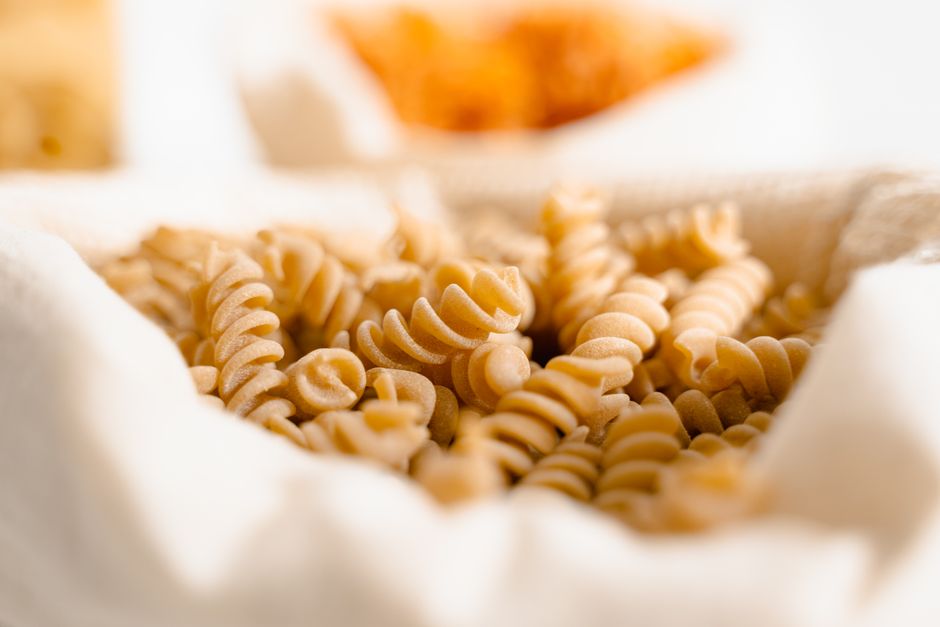
Durum wheat semolina is the coarse flour made from durum wheat, a hard wheat variety known for its high protein and gluten content. It is the standard flour used to make pasta, couscous, and some breads because it holds its shape well during cooking. Nutritionally, semolina is a rich source of complex carbohydrates, plant-based protein, and several B vitamins, particularly folate and thiamine.
What Is Durum Wheat Semolina Nutrition And Uses?
Semolina is the milled endosperm of durum wheat. The bran and germ are removed during milling, leaving behind a golden, coarse flour. This process changes the nutritional profile compared to whole wheat flour. While whole wheat retains all parts of the grain, semolina is mostly starch and protein.
Because it is made from durum wheat, semolina has a higher protein content than all-purpose flour. This makes it the preferred choice for pasta making. The strong gluten network gives pasta its firm, chewy texture and helps it keep its shape when boiled. Beyond pasta, semolina is used in breakfast porridge (common in parts of Europe and North Africa), in Indian sweets like halwa, and as a coating for baked goods and fried foods.
What Are the Main Nutrients in Semolina?
A standard serving of dry semolina (about one-quarter cup or roughly 40 grams) provides a concentrated source of energy. Most of its calories come from carbohydrates, with a meaningful portion from protein.
Key nutrients in semolina include:
- Carbohydrates: The primary energy source. Most are starches that digest more slowly than simple sugars.
- Protein: Around 12-13 grams per 100 grams of dry semolina. This is high for a grain product.
- Folate (Vitamin B9): Important for red blood cell formation and fetal development during pregnancy.
- Thiamine (Vitamin B1): Helps the body convert carbohydrates into energy.
- Iron: Present in moderate amounts, though non-heme iron from plants is less easily absorbed than animal iron.
- Magnesium and Phosphorus: Minerals involved in bone health and muscle function.
Semolina is naturally low in fat and contains no cholesterol. It is also low in sodium unless salt is added during processing or cooking.
Is Semolina a Good Source of Protein?
Semolina contains more protein than white rice, all-purpose flour, or cornmeal. However, the protein quality is incomplete. Like all wheat products, semolina is low in lysine, an essential amino acid. This means the protein is not as complete as protein from eggs, dairy, meat, or soy.
For most people eating a varied diet, this is not a problem. Pairing semolina with legumes, dairy, or eggs easily fills the lysine gap. For example, pasta with beans or a glass of milk alongside a semolina porridge provides a complete amino acid profile.
For athletes or those specifically trying to increase muscle mass, semolina can contribute to daily protein intake but should not be the only protein source. The gluten in semolina also makes it unsuitable for people with celiac disease or non-celiac gluten sensitivity.




Does Semolina Spike Blood Sugar?
Semolina has a moderately high glycemic index, meaning it can raise blood sugar fairly quickly. However, how it affects blood sugar depends on how it is cooked and what it is eaten with.
Al dente pasta made from semolina has a lower glycemic response than overcooked pasta. The firm texture slows digestion. Eating semolina with a source of protein or fat — such as a tomato sauce with meat or a sprinkle of cheese — also slows the absorption of glucose into the bloodstream.
People with diabetes or prediabetes do not need to avoid semolina entirely. Portion control matters most. A serving of cooked pasta is about one cup. Choosing whole grain or legume-based alternatives may be a better option for those who need tighter blood sugar control, but semolina can fit into a balanced meal plan when paired appropriately.
Is Semolina Gluten-Free?
No. Semolina contains gluten, and a significant amount of it. Durum wheat is one of the highest-gluten wheat varieties. Anyone with celiac disease, wheat allergy, or gluten sensitivity must avoid semolina completely.
Gluten-free alternatives for pasta include rice flour, corn flour, quinoa flour, and legume-based flours like chickpea or lentil pasta. These alternatives vary in texture and cooking behavior. They also have different nutritional profiles. For example, chickpea pasta is higher in protein and fiber than semolina pasta but has a different taste and mouthfeel.
For those without gluten-related disorders, there is no evidence that avoiding gluten provides health benefits. Gluten itself is not harmful to people who can digest it normally.
What Is the Difference Between Semolina and All-Purpose Flour?
Semolina and all-purpose flour come from different types of wheat and are milled differently. The differences affect both nutrition and cooking performance.
| Characteristic | Semolina | All-Purpose Flour |
|---|---|---|
| Wheat type | Durum wheat (hard) | Hard red wheat or soft wheat blend |
| Texture | Coarse, granular | Fine, powdery |
| Protein content | Higher (12-13%) | Moderate (9-11%) |
| Best uses | Pasta, couscous, some breads | Cakes, cookies, pastries, general baking |
| Color | Golden yellow | White or off-white |
All-purpose flour cannot replace semolina in pasta recipes without changing the final texture. The finer flour produces a softer, less elastic dough. Conversely, semolina is too coarse for delicate cakes and pastries, which rely on low-protein flour for tenderness.
How Should Semolina Be Stored?
Because the bran and germ are removed during milling, semolina has a longer shelf life than whole wheat flour. The natural oils that cause rancidity are mostly gone. Still, semolina should be stored properly to maintain quality.
Keep semolina in an airtight container in a cool, dry place. Stored this way, it lasts for several months past its best-by date. For longer storage, refrigeration or freezing works well. Cold storage prevents any chance of insect infestation and slows nutrient loss over time.
If semolina develops a sour or bitter smell, it has gone rancid and should be discarded. A musty odor suggests moisture damage and possible mold growth. Do not use semolina that looks or smells off.
Are There Any Health Risks or Downsides?
Semolina is safe for most people, but it is not suitable for everyone. The main concerns are gluten-related disorders and nutrient density.
Because semolina is refined, it lacks the fiber and micronutrients found in whole grain flours. The milling process removes the bran and germ, which contain most of the grain’s fiber, B vitamins, and minerals. Some manufacturers enrich semolina to add back certain vitamins, particularly iron and folic acid. Check the label to see if the product is enriched.
For people who eat a diet heavy in refined grains, replacing some semolina with whole grains can improve fiber intake. However, semolina is not inherently unhealthy. It is a traditional staple food in many cultures and provides meaningful nutrition when eaten as part of a balanced diet.
Frequently Asked Questions
Is semolina healthier than white flour?
Semolina has more protein than all-purpose white flour, but both are refined grains with similar calorie and carbohydrate content. Whole grain flours are healthier options because they retain fiber and more micronutrients.
Can I eat semolina if I have diabetes?
You can eat semolina with diabetes if you control your portion size and pair it with protein or fat to slow digestion. Cooking pasta al dente rather than soft also produces a smaller blood sugar response.
Is semolina the same as cream of wheat?
Cream of wheat is a brand of breakfast cereal made from semolina, but not all semolina is cream of wheat. The term semolina refers to the coarse flour itself, which can be used for pasta, couscous, and baking, not just hot cereal.
Does semolina contain more protein than rice?
Yes, dry semolina contains roughly twice the protein of white rice per 100 grams. Semolina also has more protein than cornmeal and most other refined grain flours.
