
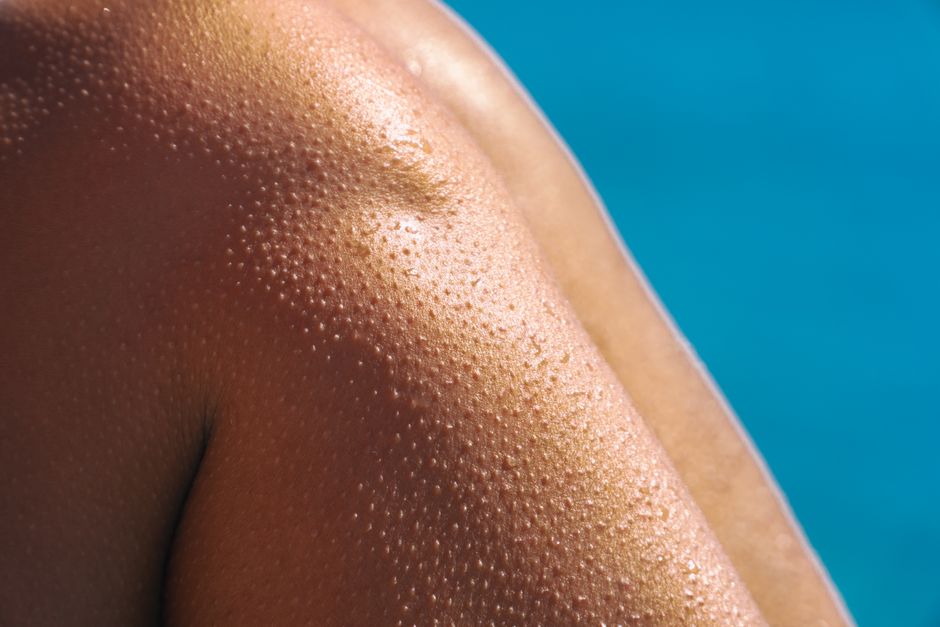
DHA in tanning is dihydroxyacetone, a simple sugar that reacts with the amino acids in your skin’s outer layer to turn it brown. It is not a dye and it is not a stain. It is a chemical reaction, and it only affects the dead cells on the surface of your skin. That is why a sunless tan fades over several days instead of washing off all at once.
DHA is the active ingredient in most self-tanners sold today. It was first used medically in the 1950s to darken skin in people with certain pigment conditions, and it has been the main ingredient in sunless tanning products since the 1960s. It does not involve ultraviolet light, which is the key difference between a self-tanner and a tan from the sun or a tanning bed.
What Is DHA In Tanning How It Colors Your Skin?
DHA stands for dihydroxyacetone. It is a three-carbon sugar, closely related to the sugars in food, and it exists as a fine white powder before it is mixed into a lotion, mousse, spray, or wipe.
When you apply it, DHA soaks into the outermost layer of skin, called the stratum corneum. That layer is made of dead, flattened cells packed with proteins, including keratin. DHA reacts with certain amino acids in those proteins in a process chemists call the Maillard reaction. The same general type of reaction is what browns toast and gives browned meat its color.
The result is a group of brown compounds called melanoidins. They sit inside the dead cells of the stratum corneum and give the skin a tan color. Because the reaction happens in dead cells, it does not touch living skin, pigment cells, or DNA in the way ultraviolet radiation does.
Two things follow from this. First, the color is temporary by design. Your skin constantly sheds its outer layer, so the tinted cells flake away over roughly a week or so. Second, DHA does not stimulate melanin production. Your body’s own pigment system is not involved at all.
How Long Does a DHA Tan Last?
A DHA tan typically lasts somewhere between three and ten days, depending on your skin and how you care for it. The color peaks within about 24 hours of application, because the reaction takes time to fully develop.
After that, the tan fades as your skin naturally exfoliates. The rate of that shedding varies from person to person and can change with age, hydration, and skin condition. Dry, flaky skin tends to lose a tan faster. Moisturized skin tends to hold it longer.
Practical factors that shorten a tan:
- Long showers or baths, especially with hot water
- Frequent swimming, particularly in chlorinated pools
- Vigorous scrubbing with a washcloth or exfoliant
- Heavy sweating during workouts
None of these wash the color off directly. They speed up the removal of the dead skin cells that hold the color. This is why a self-tan can look patchy as it fades — some areas of skin shed faster than others.
Does a DHA Tan Protect You From the Sun?
No. A DHA-based tan does not provide meaningful protection from ultraviolet radiation, and it should never be treated as a substitute for sunscreen.
This is one of the most persistent myths about self-tanners. The brown color looks like a suntan, but it comes from melanoidins, not melanin. Melanin is the pigment your skin produces in response to UV exposure, and it does absorb some UV radiation. Melanoidins do not work the same way.
Some research has looked at whether DHA could offer a small amount of protection. The findings have been limited and inconsistent, and any effect appears to be minor. The honest position is that no sunless tanner on the market can be relied on for sun protection.
If you use a self-tanner, keep using sunscreen with a sun protection factor of 30 or higher, reapplied as directed. The tan is cosmetic. The sunscreen is what protects you.



Is DHA Safe To Use On Your Skin?
DHA has a long history of use in cosmetics and is approved by regulators for external application to the skin. For most people, it causes no serious problems when used as directed.
The most common issue is skin irritation. Some people develop redness, itching, or a rash, especially with repeated use or on sensitive areas. DHA can also irritate the eyes and mucous membranes if it gets into them, which is one reason spray tanning requires eye protection and holding your breath.
There is a separate question about inhalation. When DHA is sprayed, some of it becomes airborne as fine droplets. The concern is not the skin contact but breathing it in. Regulatory reviews have noted that inhaled DHA has not been well studied, and this is why spray tanning booths are expected to use ventilation and why operators are advised to protect the eyes, nose, and mouth. If you get spray tans, ask about the booth’s ventilation and use the protective measures offered.
People with eczema, psoriasis, or very sensitive skin may find DHA products irritating. If you have a skin condition, it is reasonable to test a small area first or ask a dermatologist before regular use.
Why Does DHA Sometimes Turn Skin Orange?
An orange result usually comes from too much product, not from the DHA itself being faulty. When a thick layer is applied, the reaction runs further and produces more of the brown compounds, which can tip toward an orange or yellowish tone.
Other common causes of a bad result:
- Applying to dry, flaky, or unexfoliated skin, which soaks up uneven amounts
- Missing spots or overlapping layers, creating streaks
- Using a product with a higher DHA concentration than your skin type needs
- Not letting the product dry fully before dressing
DHA concentration varies widely between products. Lighter formulations are generally intended for fair skin, and stronger ones for deeper skin tones. The color you get also depends on your natural skin tone, because the reaction happens on top of whatever pigment you already have.
How Is DHA Different From Melanin?
These are two completely different things that happen to produce a similar-looking result. Confusing them is at the root of most misunderstandings about sunless tanning.
| Feature | DHA tan | Melanin tan |
|---|---|---|
| What causes it | Chemical reaction with dead skin cells | Pigment produced by living cells |
| Trigger | Applying a product | Ultraviolet radiation |
| Where it sits | Outermost dead layer | Deeper living layers |
| Sun protection | None meaningful | Some, depending on skin type |
| How long it lasts | Days, as skin sheds | Weeks, as pigment fades |
| Effect on DNA | None known from the color reaction | UV can damage DNA |
The important takeaway is the last row. A suntan is a sign that your skin has been exposed to UV radiation, which is a known cause of skin cancer and premature aging. A DHA tan involves no UV at all. That is the main reason sunless tanning is often described as a lower-risk way to get a tan color.
Lower risk is not the same as zero risk. DHA can irritate skin and should not be inhaled. But it does not carry the UV-related risks that come with sunbathing or tanning beds.
What Else Should You Know About DHA Products?
DHA can darken more than your skin. It reacts with proteins, so it can also tint hair, nails, and clothing. Many products add other ingredients, and some contain a second colorant that shows up right away while the DHA reaction develops.
A few practical points:
- Wait until the product is fully dry before dressing, or it may transfer to fabric.
- Wash your palms right after applying, or they may turn brown.
- Exfoliate before applying for a more even result.
- Patch test if you have sensitive skin or a skin condition.
- Keep the product away from your eyes and do not breathe in spray mist.
DHA is also used in some medical settings to darken skin in people with conditions like vitiligo, under a clinician’s supervision. That is a different context from cosmetic self-tanning and involves professional guidance.
One clarification worth making: the brown color from DHA is not a stain on the surface that you can scrub off in one shower. It is inside the dead cells. This is why it fades gradually and why exfoliating too soon after applying can strip the color before it fully develops.
Frequently Asked Questions
Is DHA tanning safe?
DHA is approved for external use on skin and is generally well tolerated, though it can irritate sensitive skin. Inhaled DHA from spray tanning has not been well studied, so protective measures like ventilation and eye and nose coverage are recommended.
Does a DHA tan protect your skin from the sun?
No, a DHA tan does not provide meaningful sun protection and is not a substitute for sunscreen. Keep using sunscreen with an SPF of 30 or higher even when you have a self-tan.
How long does a DHA tan last?
A DHA tan usually lasts about three to ten days, peaking within roughly 24 hours of application. It fades as your skin naturally sheds its outer layer, and showering, swimming, and exfoliating can speed that up.
Why does DHA turn my skin orange?
Orange results usually come from applying too much product or applying to dry, uneven skin. Using the right concentration for your skin tone and exfoliating first can help prevent it.
