
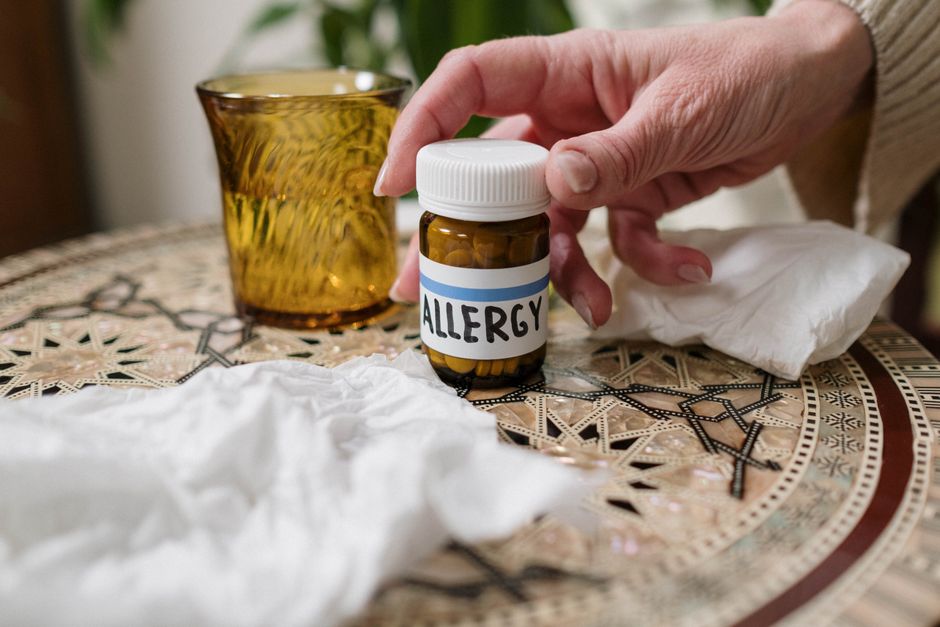
Curex is a telehealth service that connects you with a licensed clinician who prescribes allergy drops for at-home use. Instead of weekly allergy shots at a doctor’s office, Curex sends a supply of sublingual immunotherapy (SLIT) drops directly to your door. You take the drops under your tongue daily, and the service manages your treatment plan and refills remotely.
How Does Sublingual Immunotherapy Work?
Sublingual immunotherapy works on the same principle as traditional allergy shots. It is a form of immunotherapy that gradually exposes your immune system to the specific allergens that trigger your symptoms.
Your body mistakes harmless substances like pollen or dust mites for dangerous invaders. This triggers an allergic reaction, releasing histamine and causing sneezing, itching, and congestion. Immunotherapy changes this response over time.
By introducing small, increasing amounts of the allergen under your tongue, the treatment trains your immune system to tolerate the substance. The drops are absorbed through the mucous membranes and interact with immune cells. Research consistently shows this process reduces sensitivity to allergens and changes the underlying immune response, rather than just masking symptoms with antihistamines.
This is a significant difference from standard allergy medication. Antihistamines and decongestants manage symptoms after they start. Immunotherapy addresses the cause of the allergy itself.
What Is Curex How The Allergy Drop Service Works Step by Step
The Curex process is designed to be completed entirely from home. It follows a standard telehealth model that has become common in allergy care.
- Initial assessment: You complete an online questionnaire about your symptoms, medical history, and environment.
- Testing: Curex offers an at-home allergy test that involves a small finger prick. You mail the sample to a lab for analysis.
- Clinical review: A licensed healthcare provider reviews your results and history. They determine which allergens are relevant to your symptoms.
- Prescription: If appropriate, the provider prescribes a custom blend of allergy drops tailored to your specific sensitivities.
- Delivery: The drops are shipped to your home with clear dosing instructions.
- Ongoing care: You take the drops daily and check in with the clinical team periodically. Refills are managed through the service.
This model removes the need for frequent clinic visits. Traditional allergy shots require you to travel to a medical office, typically once or twice a week for several months, then less frequently for maintenance. Curex moves that entire process into your daily routine.
How Do Allergy Drops Compare to Allergy Shots?
Allergy shots and allergy drops both use immunotherapy, but they deliver the allergen differently. Shots are injected under the skin, while drops are placed under the tongue.
Clinical evidence shows both methods are effective for treating allergic rhinitis and allergic asthma. The choice often comes down to convenience, comfort, and access.
Allergy drops have several practical advantages. They are painless, which matters for people who fear needles. They can be taken at home, eliminating travel time and time off work. This convenience often leads to better adherence to the treatment schedule.
Allergy shots have a longer track record in the United States. They have been used widely for decades, and the dosing protocols are well established. Sublingual immunotherapy has strong evidence behind it as well, and it has been used extensively in Europe for many years.
One key difference is safety monitoring. Because allergy shots carry a small risk of severe allergic reactions, guidelines require you to wait in a medical office for 30 minutes after each injection. Allergy drops have a much lower risk of severe systemic reactions, which is why at-home use is considered acceptable when prescribed appropriately.





What Conditions Can Curex Treat?
Curex primarily treats environmental allergies, sometimes called hay fever or allergic rhinitis. These are reactions to airborne substances that are present year-round or during specific seasons.
Common allergens treated include:
- Pollen from trees, grasses, and weeds
- Dust mites
- Pet dander from cats and dogs
- Mold spores
Symptoms of these allergies include sneezing, runny nose, nasal congestion, itchy eyes, and postnasal drip. Some people also experience fatigue and trouble sleeping because of nighttime congestion.
Sublingual immunotherapy can also help people with allergic asthma triggered by these same allergens. Inhaled allergens are a common asthma trigger, and reducing sensitivity to them can improve asthma control. Some evidence suggests SLIT may also help with allergic eczema, though this is less established.
Curex does not treat food allergies. Food allergy immunotherapy is a distinct area of treatment with different protocols and risks. It requires specialized care and is not appropriate for a general telehealth allergy service.
How Long Does Treatment Take to Work?
Allergy drops are not a quick fix. They require consistent daily use over a long period.
Most people do not notice significant improvement for several months. The full benefit typically develops over one to three years of continued treatment. Studies on sublingual immunotherapy generally assess outcomes after at least one year of therapy.
This timeline reflects how the immune system works. Changing an established allergic response takes time. The gradual exposure builds tolerance slowly, and the effects are meant to last after treatment stops.
Some people experience symptom improvement earlier, but this varies widely between individuals. The severity of your allergies, the specific allergens involved, and how consistently you take the drops all influence your results.
It is important to understand that immunotherapy is a long-term commitment. It is not the right choice for someone looking for immediate relief. Standard allergy medications work faster and can be used alongside immunotherapy while waiting for the drops to take effect.
What Are the Side Effects and Risks?
Sublingual immunotherapy is generally well tolerated. Most side effects are mild and localized to the mouth and throat.
Common side effects include:
- Itching or tingling in the mouth
- Swelling of the lips or tongue
- Throat irritation
- Mild stomach discomfort
These reactions usually occur shortly after taking a dose and typically fade within 15 to 30 minutes. They are most noticeable at the start of treatment and often diminish as your body adjusts.
Serious side effects are rare but possible. As with any immunotherapy, there is a small risk of a severe allergic reaction called anaphylaxis. This risk is lower with drops than with shots, but it is not zero.
Because of this risk, Curex screens patients carefully. People with uncontrolled asthma, a history of severe allergic reactions, or certain other medical conditions may not be good candidates. You should discuss your full medical history honestly during the assessment.
No clinical guidelines currently exist for using SLIT during pregnancy. If you become pregnant during treatment, you should inform your provider to discuss whether to continue. Most clinicians recommend continuing if you are tolerating the drops well, but this decision should be made with medical guidance.
Is Curex a Legitimate Medical Service?
Curex operates as a licensed telehealth practice. Licensed physicians and nurse practitioners review cases and prescribe treatment. The service is regulated under the same medical standards as in-person allergy clinics.
The active ingredient in Curex drops is the allergen extract itself. These extracts are manufactured by companies that follow regulatory standards for allergen products. The drops are compounded into custom formulations based on your specific test results.
However, some skepticism is warranted. Telehealth allergy services have grown rapidly, and the evidence base for remote management of allergy immunotherapy is still developing. Some allergists express concern that at-home testing and remote prescribing cannot fully replace in-person evaluation.
An in-person allergist can perform a physical exam, review your nasal passages, and test for conditions that mimic allergies, such as chronic sinusitis or nasal polyps. A virtual visit cannot do this. This is a limitation of the Curex model, not a reason to dismiss it entirely.
The treatment itself is backed by strong evidence. Sublingual immunotherapy has been studied extensively and is recommended in clinical guidelines for allergic rhinitis. The question is whether the remote delivery model suits your specific situation.
What Does Curex Cost?
Curex operates on a subscription model. You pay a recurring fee that covers the clinical consultations, the drops, and ongoing care.
Pricing varies based on the specific treatment plan. The company typically charges an initial fee for testing and the first several months of treatment, followed by ongoing monthly or quarterly payments. Prices generally range from roughly $50 to $150 per month depending on the plan.
Insurance coverage is inconsistent. Some plans cover sublingual immunotherapy, but many do not because the drops are compounded formulations rather than FDA-approved individual products. Curex may provide documentation you can submit for reimbursement, but coverage is not guaranteed.
Compare this to allergy shots. Shots are typically covered by insurance, but you pay for office visit copays each time you receive an injection. Over a multi-year treatment course, these copays can add up significantly.
The total cost of either treatment over several years is substantial. You should contact your insurance provider to understand your specific coverage before starting any immunotherapy program.
Who Should Consider Curex?
Curex may be a good fit for people with clear environmental allergies who want immunotherapy but cannot commit to frequent clinic visits. This includes people with busy schedules, limited transportation, or significant travel distances to the nearest allergist.
The service may also appeal to people who dislike needles or who have had difficulty sticking with a shot schedule. The convenience of home delivery removes common barriers to completing immunotherapy.
Curex is not appropriate for everyone. People with severe asthma, a history of anaphylaxis, or multiple food allergies should seek in-person specialist care. A comprehensive evaluation by an allergist is the safest starting point for anyone with complex symptoms.
If you are unsure whether your symptoms are truly allergic, an in-person evaluation is valuable. Conditions like chronic sinusitis, non-allergic rhinitis, and structural nasal problems can mimic allergies. Treating the wrong condition wastes time and money.
Frequently Asked Questions
How long do you take Curex allergy drops?
Treatment typically continues for three to five years. The full benefit generally develops over one to three years of consistent daily use.
Do Curex allergy drops really work?
Yes, sublingual immunotherapy has strong clinical evidence for treating environmental allergies. Results take months to develop and require consistent daily use.
Can I take antihistamines while using Curex drops?
Yes, you can use antihistamines alongside allergy drops for symptom relief. Many people take both during the early months of treatment while waiting for the drops to take effect.
Does insurance cover Curex allergy drops?
Coverage varies by plan and is not guaranteed. Many insurance plans do not cover compounded sublingual immunotherapy drops, so you should verify your benefits before starting.
