
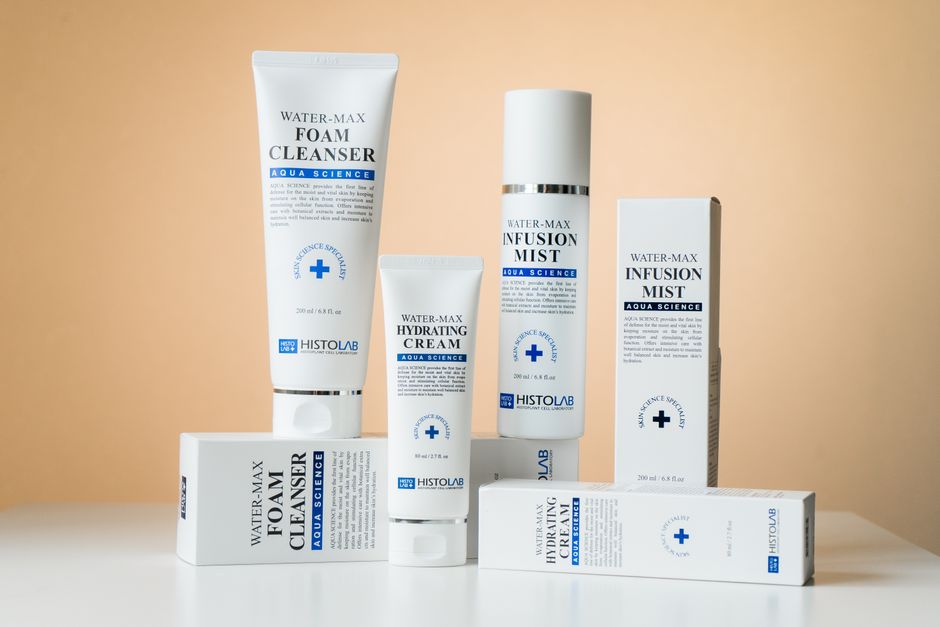
Cosmetic science is the study of how personal care and beauty products are formulated, manufactured, tested, and made safe for human use. It sits at the intersection of chemistry, biology, and materials science. If you have ever wondered who decides whether a sunscreen holds up in real sunlight or why a shampoo stops foaming when you add oil, cosmetic science is the field that answers those questions.
What Is Cosmetic Science Definition And Careers?
Cosmetic science is a branch of applied science focused on the formulation, stability, safety, and performance of products applied to the skin, hair, nails, and mouth. Careers in this field range from bench chemists who mix ingredients to toxicologists who assess safety, and from regulatory specialists who track labeling law to production engineers who scale a lab recipe into millions of units.
The field is distinct from dermatology. A dermatologist diagnoses and treats skin disease. A cosmetic scientist develops products that maintain the appearance, condition, or cleanliness of skin and hair. The two overlap in areas like sun protection and barrier repair, but the training and daily work are different.
What makes cosmetic science unusual as a discipline is how much of it depends on the consumer’s experience, not just a lab measurement. A preservative can work perfectly in a test tube and still fail because it smells unpleasant or turns a cream yellow after three months on a shelf. Formulators balance chemistry against feel, scent, color, and cost. That balancing act is a large part of the job.
What Do Cosmetic Scientists Actually Study?
The core subjects are chemistry, biology, and the behavior of mixtures. Emulsions, which are blends of oil and water held together by surfactants, sit at the center of most creams and lotions. Understanding why an emulsion separates, thickens, or changes texture over time is fundamental to the work.
Beyond formulation, cosmetic scientists study how ingredients interact with skin and hair. This includes how a molecule penetrates the outer layer of skin, how surfactants lift oil from a scalp, and how UV filters absorb or scatter ultraviolet radiation. These are physical and chemical questions, and they are answered with instruments rather than opinion.
Stability testing is a major part of the discipline. A product must hold its appearance, texture, and function for its stated shelf life. Scientists run accelerated aging tests at elevated temperatures and observe what changes. A formula that separates at 45 degrees Celsius in six weeks will likely fail at room temperature over two years.
Microbiology matters too. Water-based products can support bacterial and fungal growth if not properly preserved. Preservative systems must control microbial growth while remaining safe for repeated use on skin. This is one of the harder problems in the field because preservatives are among the most scrutinized ingredients by regulators and consumers alike.
What Are the Main Career Paths in Cosmetic Science?
Most roles fall into a handful of categories. Each requires different training, and people often move between them over a career.
- Formulation chemist — develops and adjusts product recipes. Usually requires a degree in chemistry, biochemistry, or a related science.
- Analytical chemist — tests raw materials and finished products for purity, identity, and stability.
- Toxicologist — assesses whether ingredients and finished products are safe under intended use conditions.
- Microbiologist — runs preservative efficacy and contamination testing.
- Regulatory affairs specialist — ensures products meet labeling, ingredient, and safety rules in each market.
- Process and production engineer — scales lab formulas to manufacturing and troubleshoots large-batch problems.
- Product development and marketing liaison — connects technical realities with consumer claims and product positioning.
Entry into formulation and analytical roles typically requires a bachelor’s degree in a science subject. Toxicology and regulatory roles often expect a master’s or doctoral degree, or equivalent experience. Salaries vary widely by region, employer size, and specialty, so no single figure applies across the field.





What Education and Skills Do You Need?
A bachelor’s degree in chemistry, biology, chemical engineering, or pharmacy is the common starting point. Some universities offer dedicated cosmetic science programs, though many working scientists entered through a general science degree and learned formulation on the job.
Practical skills matter as much as coursework. Employers look for hands-on lab experience, familiarity with emulsion and surfactant chemistry, and comfort with instrumentation. Written communication is also important because regulatory and safety documentation is a large part of the work.
One detail that surprises newcomers: the field rewards patience with failure. Most formulas do not work on the first attempt. A scientist may run dozens of versions before a product meets its targets for texture, stability, scent, and cost. The ability to test systematically and record what happened is a genuine professional skill.
How Is Cosmetic Science Different From Dermatology and Pharmacy?
The three fields overlap but serve different purposes. A simple way to separate them is by what each one is trying to achieve.
| Field | Primary focus | Typical training |
|---|---|---|
| Cosmetic science | Formulating and testing personal care products | Chemistry, biology, or engineering degree |
| Dermatology | Diagnosing and treating skin disease | Medical degree plus residency |
| Pharmacy | Dispensing and managing medications | Pharmacy degree and licensure |
A cosmetic scientist does not diagnose or treat disease. That boundary is set by law in most countries. Products intended to treat or prevent disease are regulated as drugs, not cosmetics, and that distinction shapes what a cosmetic scientist is allowed to claim and sell.
Is the Field Growing and What Are the Debates?
Demand for cosmetic scientists has grown as regulations tighten and consumers ask more detailed questions about ingredients. Markets increasingly require safety documentation, ingredient disclosure, and evidence for claims. That work needs trained people.
The field also has real internal debates. One is over “clean beauty,” a marketing term with no single legal definition. Some ingredients labeled as natural are less stable or more irritating than their synthetic counterparts. A cosmetic scientist generally evaluates an ingredient on its safety data and function, not on whether it sounds natural.
Another debate concerns preservatives. Reducing preservative use can appeal to consumers, but under-preserved water-based products can grow harmful microorganisms. The evidence here is clear: adequate preservation protects users. The disagreement is about which preservatives and at what levels, not whether preservation is needed.
Claims about anti-aging ingredients are another area where the science is often thinner than the marketing. Some ingredients have reasonable evidence for specific effects, while many others rest on lab studies that have not been confirmed in human trials. A careful cosmetic scientist distinguishes between what a study suggests and what a product can honestly claim.
How Do You Get Started in a Cosmetic Science Career?
Start with a science degree and get lab experience however you can. Internships at manufacturers, contract labs, and ingredient suppliers are common entry points. Even unpaid academic research builds the bench habits employers want.
Learn the regulatory basics for the markets you want to work in. Rules differ between the United States, the European Union, and other regions, and familiarity with them makes a candidate more useful from day one. Professional societies in the field also offer courses and networking that can open doors.
Be realistic about the path. Formulation roles are competitive, and many people enter through adjacent work such as quality control or analytical testing before moving into product development. That route is common and legitimate.
Frequently Asked Questions
What is cosmetic science in simple terms?
Cosmetic science is the study of how beauty and personal care products are made, tested, and kept safe. It combines chemistry, biology, and engineering to create products that work and last.
Do cosmetic scientists need a medical degree?
No. Cosmetic scientists usually hold degrees in chemistry, biology, or engineering, not medicine. Medical training is required for dermatologists, who diagnose and treat skin disease.
Is cosmetic science a good career?
It can be a stable career with steady demand, especially as regulations and safety requirements grow. Competition for entry-level formulation roles is real, so lab experience helps.
What is the difference between cosmetic science and cosmetology?
Cosmetic science develops and tests products in a lab. Cosmetology is hands-on hair, skin, and nail care provided directly to clients.
