
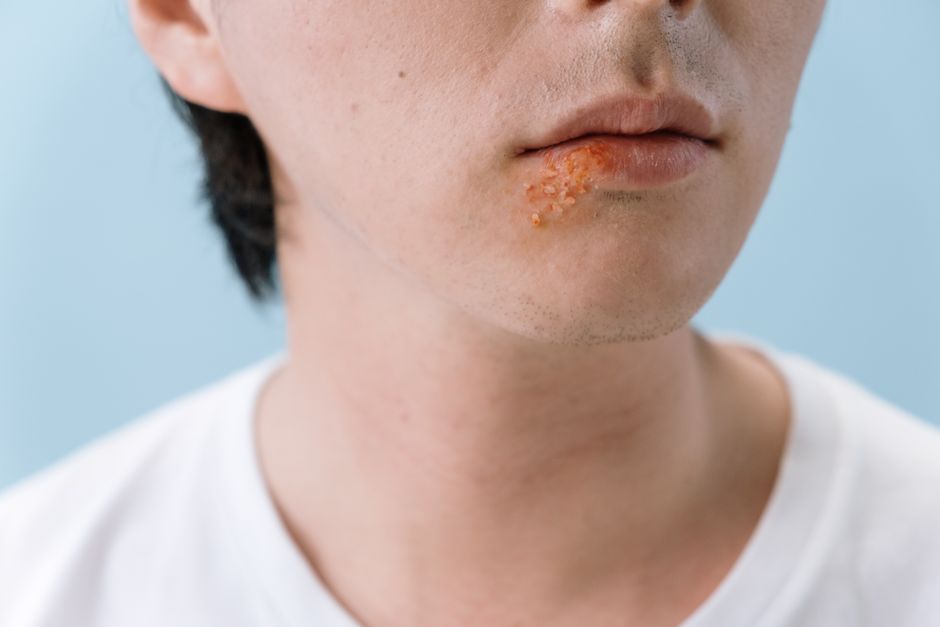
Mouth sores are painful breaks in the tissue lining the mouth, and they have many possible causes rather than a single one. The most common type — the canker sore, known medically as aphthous stomatitis — is not an infection and is not contagious. Cold sores are a different problem caused by a virus and can spread to other people. Because the causes range from minor injury to a symptom of a broader medical condition, the right answer depends on what the sore looks like and how often it returns.
What Is the Cause of Mouth Sores?
The cause depends on the type of sore. No single trigger explains all of them, and often more than one factor is involved.
The most common category is the aphthous ulcer, or canker sore. These form when the thin lining of the mouth breaks down and the tissue underneath becomes exposed, producing a white or yellow center with a red rim. The exact mechanism is not fully understood, but the immune system appears to attack the mouth lining in a way that damages it. This is why canker sores are not infectious — there is no germ to pass to anyone else.
Known triggers for recurring canker sores include:
- Minor injury — biting the lip or cheek, brushing hard, or dental work
- Stress and fatigue
- Certain acidic or spicy foods, and sometimes chocolate, coffee, or nuts
- Toothpaste or mouthwash containing sodium lauryl sulfate
- Hormonal changes, including around menstruation
- Stopping smoking, in some people
Other causes are separate conditions with their own mechanisms. Cold sores come from herpes simplex virus, usually type 1, which stays in the body for life and reactivates under stress, illness, or sun exposure. Fungal infections such as oral thrush produce white patches that can be mistaken for sores. Sores can also appear with vitamin B12, folate, or iron deficiency, with certain digestive conditions, and as a side effect of some medications.
When a sore does not heal, or keeps coming back, the cause is more likely to be an underlying condition than a simple everyday trigger.
How Do You Tell Canker Sores and Cold Sores Apart?
Location is the clearest clue. Canker sores form inside the mouth — on the tongue, the inside of the lips or cheeks, and the soft tissue near the gums. Cold sores almost always appear outside, on or around the lips, and sometimes under the nose or on the chin.
Cold sores usually begin with a tingling or burning feeling before a blister appears. The blister breaks, crusts over, and heals within about one to two weeks. They are contagious, especially when a blister is present, and can spread through kissing or sharing cups and utensils. Canker sores are not contagious, and they tend to heal in one to two weeks without scarring in most cases.
The distinction matters because the two are managed differently. Antiviral treatment can help with cold sores when started early, while canker sores are managed with symptom relief and by avoiding triggers.
What Does a Mouth Sore Look Like and Where Does It Form?
Appearance varies by cause, and the pattern often points to the answer.
A typical canker sore is round or oval, with a white, yellow, or gray center and a red border. Most are small — under about a centimeter — and heal on their own. Larger ones are less common, take longer to heal, and can leave a scar. Some people get clusters of tiny sores that merge together.
Cold sores start as a small cluster of fluid-filled blisters on the outer lip. They then break open, form a yellowish crust, and gradually heal.
Other appearances worth knowing:
- White patches that can be wiped off may point to oral thrush, a fungal infection
- A single painless sore that does not heal over weeks needs medical review
- Sores along with fever, weight loss, or fatigue suggest a broader condition
Most mouth sores are harmless and short-lived. A sore that lasts longer than two weeks, bleeds, or keeps growing is a reason to see a clinician rather than wait it out.





When Should Mouth Sores Concern You?
Most clear up on their own within one to two weeks. The concern is not the sore itself but what a persistent or unusual sore might signal.
See a doctor or dentist if a sore:
- Lasts more than two weeks
- Keeps coming back in the same spot or in large numbers
- Is unusually large or spreading
- Comes with fever, swollen glands, or trouble eating or drinking
- Appears alongside weight loss, fatigue, or digestive problems
A single painless sore or patch that does not heal deserves prompt attention. In some cases this can be an early sign of oral cancer, which is why any non-healing sore in the mouth should be checked rather than watched indefinitely. This is not common, but it is the reason the two-week rule exists.
Recurring sores can also point to a nutritional deficiency, a digestive condition, or a condition affecting the immune system. Blood tests can help identify some of these causes when the pattern suggests them.
What Helps Mouth Sores Heal?
For most minor canker sores, the goal is comfort while the tissue heals on its own. There is no treatment that reliably shortens every sore, and much of what helps is about reducing irritation.
Steps that many clinicians suggest:
- Avoid acidic, spicy, or salty foods until the sore heals
- Use a soft toothbrush and gentle brushing
- Try a toothpaste without sodium lauryl sulfate if you get sores often
- Rinse with salt water or a baking soda solution
- Use an over-the-counter protective gel or numbing product for pain
For cold sores, antiviral creams or oral antiviral medication can reduce how long an outbreak lasts when started early, ideally at the first tingle. These require a prescription in most cases.
For sores caused by a deficiency or an underlying condition, treating the root cause is what resolves them. Symptom relief alone will not fix a sore that keeps returning because of a missing nutrient or an untreated illness.
It is fair to say the evidence on many home remedies is limited. Some people find relief from certain products, but no large human trials confirm that most of them speed healing. If a sore is not improving, medical care is more reliable than adding more remedies.
Can You Prevent Mouth Sores?
You cannot prevent all of them, especially cold sores, which reactivate from a virus already in the body. But you can lower the frequency of common canker sores by managing known triggers.
Practical steps include:
- Managing stress and getting enough sleep
- Avoiding foods that seem to set off your sores
- Switching to a toothpaste without sodium lauryl sulfate
- Eating a balanced diet with enough B12, folate, and iron
- Using sunscreen on the lips if sun triggers your cold sores
Keeping a simple log of when sores appear can help you spot a personal pattern. Triggers vary from person to person, and what sets off one person’s sores may have no effect on someone else.
What Is the Difference Between a Sore and a Spot?
Not everything white or painful in the mouth is a sore. Some spots are harmless and some are not, and the difference often comes down to whether they heal and whether they hurt.
A canker sore is an open break in the tissue and usually hurts. A white patch that cannot be wiped away, called leukoplakia, is not a sore at all — it is a thickened area of tissue that may or may not be harmless. It cannot be diagnosed by appearance alone and needs a clinician to look at it. A patch that can be wiped off is more likely to be thrush.
This is a useful distinction because people often treat a non-healing white patch as a stubborn sore and wait. Any white or red patch in the mouth that does not go away within two weeks should be examined, regardless of whether it hurts.
Frequently Asked Questions
Are mouth sores contagious?
Canker sores are not contagious, but cold sores caused by herpes simplex virus are. You can spread a cold sore through kissing or sharing utensils, especially when a blister is present.
How long do mouth sores usually last?
Most minor canker sores and cold sores heal within one to two weeks. A sore that lasts longer than two weeks should be checked by a doctor or dentist.
What vitamin deficiency causes mouth sores?
Deficiencies in vitamin B12, folate, or iron are linked to recurring mouth sores. Blood tests can confirm whether a deficiency is the cause.
When should I worry about a mouth sore?
See a clinician if a sore lasts more than two weeks, keeps returning, is unusually large, or comes with fever or trouble eating. A single painless sore that does not heal needs prompt review.
