
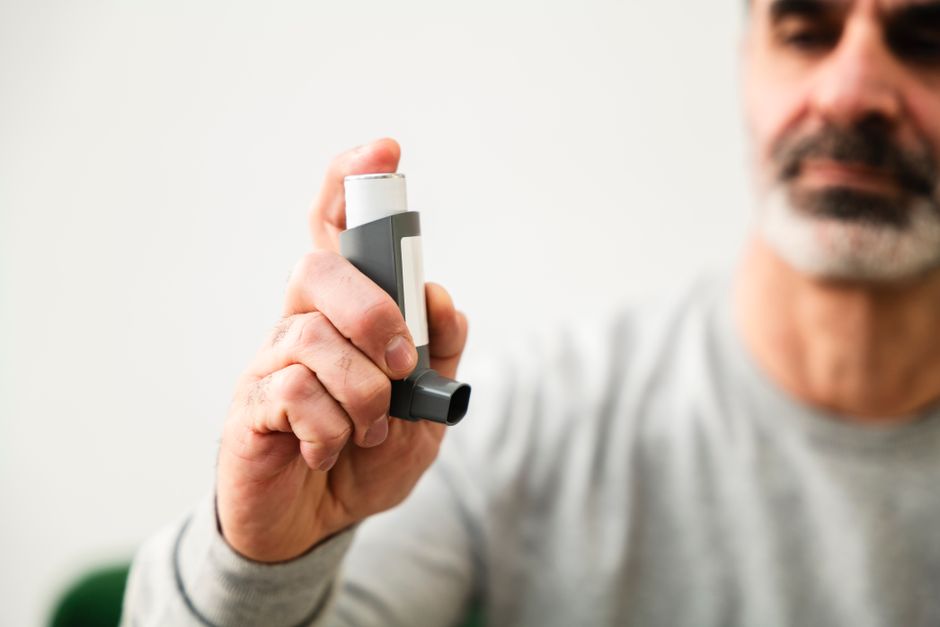
COPD stands for chronic obstructive pulmonary disease. It is a long-term lung condition that makes it hard to breathe because airflow from the lungs is partially blocked. The blockage is progressive, meaning it tends to get worse over time, and it is not fully reversible. This definition is the foundation for understanding how the disease develops, how it is diagnosed, and how it is managed.
What Is COPD Definition? Explained Simply
Chronic means the condition lasts a long time and does not go away. Obstructive means something is blocking the flow of air out of the lungs. Pulmonary means it affects the lungs. Disease means it is a medical condition with identifiable changes in the body.
When you breathe out, air should move freely. In COPD, the airways are narrowed or the air sacs are damaged, so air gets trapped in the lungs. This makes it harder to get fresh air in and stale air out. The result is breathlessness, especially during activity.
COPD is an umbrella term. It covers two main conditions: emphysema and chronic bronchitis. Most people with COPD have features of both. Emphysema damages the air sacs at the end of the airways. Chronic bronchitis involves long-term inflammation of the larger airways, with a daily cough and mucus production for at least three months in two consecutive years.
What Causes COPD?
The most common cause of COPD is cigarette smoking. Research consistently shows that long-term smoking accounts for the vast majority of cases. This includes tobacco smoke from cigarettes, pipes, and cigars. Secondhand smoke exposure also increases risk, though less than active smoking.
Not everyone who smokes develops COPD. Genetics play a role. A small number of people have a genetic condition called alpha-1 antitrypsin deficiency. This condition causes the body to lack a protein that protects the lungs, leading to early-onset COPD even in people who never smoked.
Other causes include long-term exposure to lung irritants. These include occupational dust, chemical fumes, and air pollution. Biomass fuel smoke from burning wood or animal dung indoors for cooking and heating is a significant cause in developing countries. In the United States, smoking remains the dominant cause.
How Does COPD Affect the Lungs?
COPD damages the lungs in two main ways. First, the airways become inflamed and thickened. The walls of the airways swell, and the glands that produce mucus enlarge. This narrows the space through which air can travel. The mucus becomes thick and sticky, further blocking airflow.
Second, the air sacs at the ends of the airways lose their elasticity. In healthy lungs, these tiny sacs stretch when you breathe in and spring back when you breathe out. In COPD, the walls between the sacs break down. This creates larger, less efficient sacs that cannot push air out effectively. This is emphysema.
Both processes trap air in the lungs. The chest becomes overinflated. The diaphragm, the main breathing muscle, gets flattened and works less efficiently. Over time, the muscles that help with breathing have to work harder just to move the same amount of air. This is why people with COPD feel short of breath.
A key point: COPD is not asthma. Asthma involves reversible airway narrowing. With treatment, asthma symptoms can often return to normal. COPD airflow limitation is persistent. Some improvement is possible with treatment, but the underlying damage does not fully reverse.


What Are the Symptoms of COPD?
Symptoms usually develop slowly. Many people dismiss them as signs of aging, being out of shape, or a “smoker’s cough.” This delay often means COPD is diagnosed later, after significant lung damage has occurred.
Common symptoms include:
- Ongoing shortness of breath, especially with physical activity
- A chronic cough that produces mucus
- Wheezing, a whistling sound when breathing
- Tightness in the chest
- Frequent respiratory infections
- Fatigue and low energy
As the disease advances, symptoms worsen. Simple tasks like dressing or walking to the bathroom can cause breathlessness. Some people develop a bluish tint to their lips or fingernails, a sign of low oxygen in the blood. Others lose weight unintentionally because breathing takes so much energy.
Symptoms can flare up suddenly. These are called exacerbations. An exacerbation is a period when symptoms get noticeably worse and may require additional medication, emergency care, or hospitalization. Respiratory infections, air pollution, and stopping maintenance medications can trigger exacerbations.
How Is COPD Diagnosed?
COPD is diagnosed with a breathing test called spirometry. This is the definitive test. It measures how much air you can forcefully exhale and how fast.
During spirometry, you take a deep breath and blow out as hard and fast as you can into a tube connected to a machine. The test records two key numbers. The first is the forced vital capacity, or FVC, which is the total amount of air you can exhale. The second is the forced expiratory volume in one second, or FEV1, which is how much air you can exhale in the first second.
The diagnosis of COPD is confirmed when the ratio of FEV1 to FVC is below a certain threshold after using a bronchodilator. A bronchodilator is a medication that opens the airways. If the ratio remains low after this medication, the airflow limitation is considered persistent, confirming COPD.
Doctors also use the FEV1 value to grade the severity of the disease. A higher percentage of predicted normal FEV1 means milder disease. A lower percentage means more severe disease. This staging helps guide treatment decisions.
Other tests may be used to support the diagnosis. A chest X-ray can rule out other conditions and may show signs of hyperinflation. A blood oxygen test, called pulse oximetry, checks oxygen levels. Arterial blood gas analysis measures oxygen and carbon dioxide levels more precisely in advanced disease.
Can COPD Be Treated?
COPD has no cure. The damage to the lungs cannot be undone. However, treatment can slow progression, reduce symptoms, improve exercise capacity, and prevent exacerbations. Treatment is about managing the disease, not reversing it.
The single most important step is stopping smoking. For people who smoke, quitting is the only intervention proven to slow the decline in lung function. No medication or other therapy can match the benefit of smoking cessation. Lung function will still decline with age, but at a much slower rate than if smoking continues.
Medications are the mainstay of treatment. Bronchodilators relax the muscles around the airways, helping them stay open. They are usually inhaled, so they go directly to the lungs. There are short-acting versions for quick relief and long-acting versions for daily maintenance. Many people use a combination of both.
Inhaled corticosteroids reduce airway inflammation. They are often combined with long-acting bronchodilators in a single inhaler. These combination inhalers are used for people with frequent exacerbations or more advanced disease. They do not work for everyone, so doctors assess response carefully.
Pulmonary rehabilitation is a structured program of exercise, education, and breathing techniques. Research consistently shows it improves quality of life and exercise tolerance. It is one of the most effective non-drug treatments for COPD.
Supplemental oxygen is used for people with low blood oxygen levels. It is prescribed based on specific criteria measured at rest, during exercise, or during sleep. Using oxygen for more than 15 hours a day has been shown to improve survival in people with severe resting hypoxemia, which means low blood oxygen at rest.
What Is the Outlook for Someone with COPD?
COPD is a progressive disease, but the rate of progression varies widely between individuals. Some people live for decades with mild symptoms. Others decline more rapidly. The most important factors influencing outlook are smoking status, severity of airflow limitation at diagnosis, and the frequency of exacerbations.
Continuing to smoke is associated with faster decline. People who quit smoking, even after a COPD diagnosis, slow the loss of lung function. Exacerbations accelerate the disease. Each severe exacerbation can cause a permanent drop in lung function, so preventing them is a major treatment goal.
COPD is a leading cause of death worldwide, but many people live well with the condition for many years. Early diagnosis and consistent treatment make a difference. Adherence to medication, participation in pulmonary rehabilitation, and vaccination against influenza and pneumococcal disease all contribute to better outcomes.
No clinical guidelines currently exist for reversing established COPD. Any product or program claiming to cure COPD is not supported by medical evidence. Management focuses on slowing progression and maintaining quality of life.
Frequently Asked Questions
Is COPD the same as emphysema?
No. Emphysema is one type of COPD, and chronic bronchitis is the other. Most people with COPD have features of both conditions.
Can COPD be reversed if caught early?
No. The lung damage in COPD is permanent and cannot be reversed. Early diagnosis allows treatment to slow further decline and manage symptoms.
What is the life expectancy of someone with COPD?
Life expectancy varies widely based on age, smoking status, lung function at diagnosis, and exacerbation frequency. Some people live many years with the condition, while others decline faster.
Is shortness of breath always a sign of COPD?
No. Shortness of breath has many causes, including heart disease, anemia, and deconditioning. A spirometry test is needed to confirm a COPD diagnosis.
