
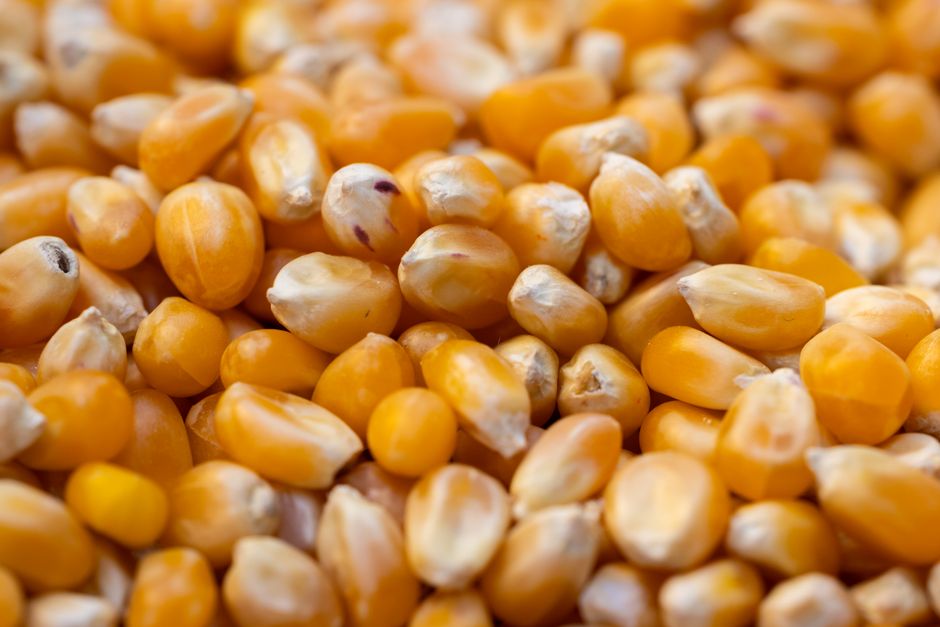
Popcorn is a whole grain. That single fact answers the main question, because a whole grain is a whole food by definition — the entire seed kernel is eaten, with nothing stripped away or added back. The kernel you pop is the same kernel that grew on the corn plant, just heated until the water inside turns to steam and bursts the hull. What complicates the picture is not the popcorn itself. It is what gets poured, sprayed, or coated onto it afterward.
Is Popcorn A Whole Food Nutrition Facts Explained
Plain, air-popped popcorn qualifies as a whole food because every part of the grain remains intact. The bran layer, the germ, and the starchy endosperm all survive the popping process. That is not true of most snack foods, which are built from refined flours and added ingredients.
The 2015–2020 Dietary Guidelines for Americans classified popcorn as a whole grain, and the current guidance continues to treat it that way. Whole grains are recommended because they deliver fiber, vitamins, minerals, and naturally occurring plant compounds that refined grains lose during milling.
Here is the part that trips people up. “Whole food” and “healthy snack” are not the same claim. A food can start as a whole grain and end up as a delivery system for sodium, butter-flavored oil, and sugar. The kernel is whole. The finished product may not be.
There is also a difference between popped and unpopped corn that matters nutritionally. Popping concentrates the kernel’s mass by driving off water, so a cup of popped popcorn contains far more nutrients by weight than the same volume of unpopped kernels would suggest. This is why popcorn can look like a light snack while still contributing meaningful fiber.
What Nutrients Are Actually In Plain Popcorn?
Air-popped popcorn is mostly carbohydrate, with a modest amount of protein and very little fat. The nutrition profile below reflects plain, air-popped popcorn with no added salt or oil, based on standard USDA data.
| Nutrient (per 1 cup, air-popped) | Amount |
|---|---|
| Calories | About 31 |
| Carbohydrate | About 6 grams |
| Fiber | About 1 gram |
| Protein | About 1 gram |
| Fat | Under 0.5 grams |
Those numbers look small because a cup of popcorn is mostly air. The picture changes when you look at a full serving. A three-cup serving of air-popped popcorn delivers roughly 90 calories and about 3 grams of fiber. That is a reasonable amount of fiber for a snack, though it is not a large share of the daily target for most adults.
Popcorn also carries small amounts of B vitamins, iron, magnesium, and polyphenols — plant compounds concentrated in the bran. The polyphenol content is real but modest, and it is not a reason on its own to choose popcorn over other whole grains. The fiber and the low calorie density are the more solid reasons.
Does Popping Popcorn Destroy Its Nutrition?
Popping does not turn popcorn into a refined grain. The structural parts of the kernel remain, and the fiber content survives the process. What changes is water content and density, not the basic identity of the food.
Heat does affect some nutrients. Certain vitamins are sensitive to high temperatures, and popping involves rapid heating. The losses are real but limited, and they do not change popcorn’s status as a whole grain. The bran and germ are still there.
One genuine concern is preparation method, not the kernel itself. Air popping uses only heat. Oil popping adds fat and calories. Bagged microwave popcorn commonly contains added oils, salt, and flavorings, and some varieties carry substantial sodium. The grain is whole in all three cases. The nutrition is not equivalent.



Why Does Preparation Change Everything?
A plain kernel and a movie-theater bucket can differ by hundreds of calories per serving. The gap comes entirely from what is added, not from the corn.
Common additions and what they contribute:
- Butter or butter-flavored oil — adds fat and calories, often substantially
- Salt — raises sodium, which matters for people managing blood pressure
- Sugar coatings — caramel and candied varieties add significant sugar
- Cheese powder — adds fat, sodium, and calories
- Artificial flavorings — do not add nutrition
The practical takeaway is simple. If you want popcorn as a whole-food snack, control what goes on it. Air-pop it or pop it in a small amount of oil, then season it yourself. That keeps the whole grain intact and the added ingredients under your control.
There is a nuance worth naming here. Some people assume that because popcorn is a whole grain, any popcorn is a healthy choice. That reasoning does not hold. A whole grain base does not cancel out a heavy coating of butter and salt. The base is good. The finished product depends on you.
Is Popcorn A Good Source Of Fiber?
Popcorn is a decent source of fiber, but “good source” depends on how much you eat and what you compare it to. A three-cup serving of air-popped popcorn provides roughly 3 grams of fiber. For context, most adults are advised to aim for somewhere in the range of 25 to 38 grams of fiber per day, depending on age and sex.
That means a typical popcorn serving covers a modest slice of the daily target, not a large one. It is a helpful contribution, especially as a snack, but it is not a fiber powerhouse the way beans, lentils, or certain whole grains are.
Where popcorn does stand out is calorie density. You get a large volume of food for relatively few calories, which can help with appetite and portion satisfaction. That combination — some fiber plus low calorie density — is what makes plain popcorn a reasonable snack for many people.
Who Should Be Careful With Popcorn?
Popcorn is not a good fit for everyone. The hulls are hard and fibrous, and they can be problematic for certain people.
People with diverticular disease have historically been told to avoid nuts, seeds, and popcorn. That advice has been reconsidered over time. Some research suggests that nuts, corn, and popcorn are not associated with increased diverticulitis risk, and some clinicians no longer restrict them. The evidence is not fully settled, so anyone with diverticular disease should follow their own clinician’s guidance rather than a general rule.
Popcorn can also be a choking hazard for young children, because the kernels are small, hard, and easy to inhale. This is a well-recognized risk, and popcorn is generally not recommended for children under about four years old.
People who wear braces or have dental work may find popcorn difficult, since hulls can lodge in the teeth or damage orthodontic hardware. And anyone watching sodium should read labels on microwave and pre-packaged popcorn carefully, because sodium content varies widely between brands and flavors.
How Does Popcorn Compare To Other Whole Grains?
Popcorn holds its own as a whole grain snack, but it is not nutritionally superior to other whole grains across the board. It is lower in calories per serving than many grain-based snacks, which is its main advantage. It is also a convenient, shelf-stable source of whole grain that many people actually enjoy eating.
Compared with oatmeal, brown rice, or quinoa, popcorn provides less fiber and fewer micronutrients per serving. Compared with refined snacks like chips or pretzels, plain popcorn is generally the better choice because it retains its bran and germ and tends to be lower in calories for the same volume.
The fair way to think about it: popcorn is a solid whole-grain option, not the best whole grain available. It earns its place as a snack, especially when prepared plainly. It does not replace the broader variety of whole grains that a balanced diet benefits from.
Frequently Asked Questions
Is popcorn actually a whole grain?
Yes. Popcorn is classified as a whole grain because the entire kernel — bran, germ, and endosperm — is eaten. This is confirmed in US dietary guidance, which lists popcorn among whole grains.
Is microwave popcorn a whole food?
The corn kernel in microwave popcorn is a whole grain, but many microwave varieties add oils, salt, and flavorings that change the overall nutrition. Plain varieties with minimal added ingredients come closest to a whole-food snack.
Does popcorn have a lot of fiber?
A three-cup serving of air-popped popcorn provides roughly 3 grams of fiber, which is a modest contribution toward the daily target of about 25 to 38 grams for most adults. It is a helpful snack but not a major fiber source on its own.
Is popcorn healthy or not?
Plain, air-popped popcorn is a reasonable whole-grain snack with low calorie density and some fiber. The health picture depends heavily on what is added, since butter, salt, and sugar coatings can substantially change the nutrition.
