
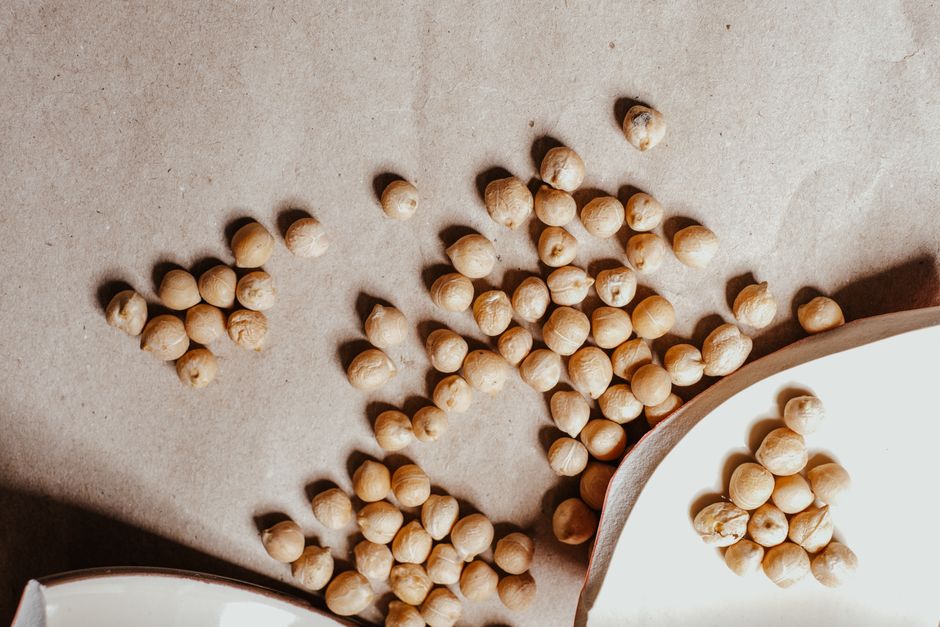
High protein means different numbers depending on your body weight and your goal. For most healthy adults, a daily protein intake between 1.6 and 2.2 grams per kilogram of body weight is considered high and is the range most often linked to muscle growth. For someone weighing 150 pounds, that equals roughly 109 to 150 grams of protein per day. If your goal is weight loss, higher intakes closer to 2.0 grams per kilogram can help preserve muscle while in a calorie deficit.
What Is Considered High Protein For Your Goals?
Protein needs are not one-size-fits-all. The standard recommendation to prevent deficiency is just 0.8 grams per kilogram of body weight per day. That is the minimum to avoid losing muscle mass, not the amount for building it or losing fat effectively.
High protein starts above that baseline. For most people pursuing fitness or body composition goals, the meaningful range is 1.6 to 2.2 grams per kilogram. This translates to about 0.7 to 1.0 grams per pound of body weight. Athletes and people doing intense resistance training may benefit from the upper end of that range. Older adults trying to slow age-related muscle loss often need more protein per meal to stimulate muscle protein synthesis.
How Much Protein Do You Need for Muscle Gain?
Research consistently shows that protein intakes around 1.6 grams per kilogram of body weight per day are sufficient for most people training to build muscle. Going beyond 2.2 grams per kilogram does not appear to add meaningful extra muscle for natural lifters.
That means a 180-pound man needs about 130 grams daily. A 140-pound woman needs about 100 grams. These numbers assume you are training with progressive overload and eating enough total calories. Protein alone will not build muscle without the training stimulus.
Distribution matters too. Eating 20 to 40 grams of protein per meal appears to maximize muscle protein synthesis responses in most people. Spreading intake across three to four meals is generally more effective than eating one massive protein-heavy dinner.
How Much Protein Do You Need for Weight Loss?
Higher protein intakes are well supported for weight loss because protein increases satiety and preserves lean mass during a calorie deficit. The range most often recommended is 1.6 to 2.0 grams per kilogram of body weight per day.
When you eat fewer calories than you burn, your body breaks down muscle tissue for energy. Higher protein intake reduces that muscle loss. Keeping muscle matters because muscle drives your metabolic rate. Losing muscle slows your metabolism, which makes keeping weight off harder.
Some research suggests going up to 2.4 grams per kilogram for athletes in intense training phases while dieting. For most people, 1.8 to 2.0 grams per kilogram is a practical target that delivers results without being unnecessarily extreme.


What Counts as High Protein for Older Adults?
Age-related muscle loss, called sarcopenia, begins around age 30 and accelerates after 60. Older adults often need more protein than younger people to trigger the same muscle-building response. This is called anabolic resistance.
Current evidence suggests adults over 65 should aim for 1.2 to 1.5 grams per kilogram of body weight daily. Some experts recommend up to 1.6 grams per kilogram for frail older adults or those recovering from illness. Higher intakes help preserve strength and reduce fall risk.
Spreading protein across meals becomes more important with age. Many older adults eat most of their protein at dinner. Shifting some of that intake to breakfast and lunch can improve daily muscle protein synthesis.
How to Calculate Your High Protein Target
Use your body weight in kilograms, not pounds. Divide your weight in pounds by 2.2 to get kilograms. Multiply that number by your target grams per kilogram.
For a goal of 1.8 grams per kilogram, a 170-pound adult would calculate: 170 divided by 2.2 equals 77 kilograms. Multiply 77 by 1.8 to get roughly 139 grams of protein per day.
That protein should come from whole foods first. Chicken breast, lean beef, fish, eggs, Greek yogurt, cottage cheese, tofu, lentils, and beans are reliable sources. A typical chicken breast provides about 30 grams of protein. One cup of Greek yogurt has about 20 grams. One large egg has about 6 grams.
Protein supplements like whey or plant-based powders can help you hit your target, but they are not required. Whole food sources provide additional nutrients that powders do not.
Are There Risks to Eating High Protein?
For healthy people, high protein intakes up to 2.2 grams per kilogram are generally safe. The concern about kidney damage comes mostly from studies of people who already have kidney disease. Healthy kidneys adapt to higher protein intake without measurable harm.
People with pre-existing kidney conditions should talk to their doctor before increasing protein significantly. The same applies to people with gout or certain liver conditions. High protein intake can increase uric acid production, which may trigger flares in susceptible individuals.
Dehydration is a real but manageable concern. Protein metabolism produces nitrogen waste that your kidneys excrete with water. Drink enough fluids when you increase protein intake. A simple approach is to let thirst guide you and increase water slightly on high-protein days.
How Do You Know If Your Protein Intake Is Actually High?
Track your intake for a few days to see where you actually land. Most people overestimate how much protein they eat. A food scale and a tracking app give you accurate numbers quickly.
If you are consistently below 1.2 grams per kilogram, you are likely not in a high-protein range by any standard. If you are above 2.2 grams per kilogram, you are likely past the point of added benefit for most goals.
Practical signs that your intake is adequate include feeling satisfied after meals, recovering well from workouts, and maintaining strength during weight loss. These are not perfect measures, but they are useful signals when combined with actual tracking.
Frequently Asked Questions
Is 100 grams of protein a day considered high?
For a 150-pound person, 100 grams equals about 1.5 grams per kilogram, which is moderately high. For a 200-pound person, 100 grams is closer to 1.1 grams per kilogram, which is not high.
Can eating too much protein make you gain weight?
Any calories in excess of what you burn can cause weight gain, including protein calories. Protein is more satiating than carbs or fat, so most people naturally eat less overall when protein is high.
Is 200 grams of protein a day too much?
For a 200-pound person, 200 grams equals about 2.2 grams per kilogram, which is at the upper safe limit for healthy adults. For a 150-pound person, 200 grams is roughly 2.9 grams per kilogram, which exceeds the range with demonstrated benefit.
Do I need protein shakes to reach high protein goals?
No. Whole foods can meet any reasonable protein target. Shakes are convenient when you are short on time or struggling to chew enough food, but they are not necessary.
