
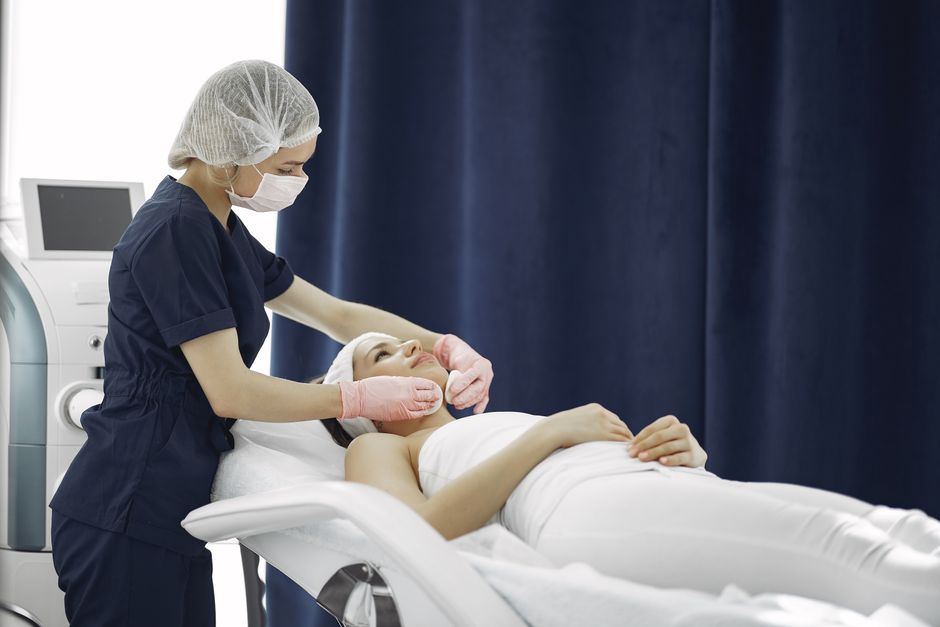
A clean room experience means stepping into a space designed to keep airborne particles, pollutants, and microbes at extremely low levels. For most people, this is not about manufacturing computer chips. It is about creating a controlled environment at home or in a clinical setting to reduce allergy triggers, protect sensitive skin, or improve sleep quality. You can get a version of this by combining high-efficiency air filtration, strict cleaning routines, and careful control of what enters the room.
What Is Clean Room Experience And How To Get It
A clean room experience replicates the principles used in hospitals and laboratories, scaled for everyday life. The goal is simple: reduce the number of particles and biological contaminants in the air and on surfaces. You do not need a sterile suit or an airlock. You need a systematic approach to filtration, ventilation, and cleaning.
The most effective starting point is a HEPA filter. High-Efficiency Particulate Air filters remove at least 99.97% of particles sized 0.3 microns. That includes dust mites, pollen, mold spores, and many bacteria. A portable HEPA air purifier sized correctly for your room is the single most impactful purchase you can make.
Beyond filtration, you must control what enters the room. Shoes carry soil and microbes. Pets shed dander and bring outdoor allergens inside. Open windows introduce pollen and pollution. A clean room experience requires rules about these entry points, not just a better machine.
What Particle Levels Matter for a Clean Room
Clinical clean rooms are classified by the number of particles per cubic meter. A standard operating room in a hospital maintains about 3,520 particles per cubic meter at 0.5 microns or larger. A typical home has millions of particles in the same volume.
You will not reach hospital standards at home, and you do not need to. Research consistently shows that reducing indoor particulate matter improves respiratory symptoms for people with asthma and allergies. The benefit comes from meaningful reduction, not perfection.
A good home target is an air quality monitor reading below 12 micrograms per cubic meter for PM2.5 — the fine particles that penetrate deep into the lungs. The World Health Organization recommends this as the annual average guideline. Many homes in urban areas read two to three times higher without intervention.
Choosing the Right Air Purifier
Not all air purifiers work the same way. The two main types are HEPA filtration and electronic cleaners. HEPA filters physically trap particles. Electronic cleaners, including ionizers and electrostatic precipitators, charge particles so they stick to surfaces or collection plates.
Choose HEPA. Electronic cleaners can produce ozone, a lung irritant, especially at higher settings. Some ionizers generate measurable ozone indoors, and the California Air Resources Board has flagged this as a concern. HEPA filtration has no such downside.
Size matters more than brand. An air purifier is rated by its Clean Air Delivery Rate, or CADR. This number tells you how many cubic feet of air the unit cleans per minute. A common rule is to match the CADR to your room size. For a 300-square-foot bedroom, look for a CADR of at least 200 for smoke and pollen. Running a small unit in a large open-plan space will not achieve the effect you want.


How to Set Up the Room Properly
Placement determines performance. Air purifiers work best when air can circulate freely around them. Do not tuck the unit behind furniture or in a corner. Keep it at least 12 inches from walls on all sides.
Run the unit continuously. Many people turn purifiers off at night to save energy or reduce noise. This defeats the purpose. Particles continuously enter the room from your breathing, skin shedding, and clothing. The purifier needs to run 24 hours a day to maintain low particle counts.
Close the door and windows. A HEPA purifier cannot keep up with a steady stream of outdoor air carrying pollen or traffic pollution. If you want a clean room experience, the room must be a closed system as much as possible.
Check the filter regularly. A clogged filter reduces airflow and efficiency. Most manufacturers recommend replacement every six to twelve months, but heavy use or high pollution levels may require more frequent changes. Some units have indicator lights that tell you when to swap filters.
Cleaning Strategies That Actually Work
Air filtration handles airborne particles, but dust settles on surfaces. When you walk across the room or move bedding, that dust becomes airborne again. A clean room requires surface management too.
Use a vacuum with a HEPA filter. Standard vacuums can leak fine particles back into the air through the exhaust. HEPA vacuums trap those particles. Vacuum at least twice a week in the clean room, focusing on carpets, rugs, and the area under the bed.
Dust with a damp cloth, not a dry one. Dry dusting pushes particles into the air where you will breathe them. A microfiber cloth slightly dampened with water traps dust and removes it from the room.
Wash bedding weekly in hot water. Dust mites — microscopic creatures that feed on dead skin cells — thrive in mattresses and pillows. Water at 130°F or hotter kills them. If you cannot wash at that temperature, use allergen-proof mattress and pillow covers.
Controlling Humidity and Temperature
Humidity affects both allergens and microbes. Dust mites need humidity above 50% to survive and reproduce. Mold also thrives in damp conditions. Keeping indoor relative humidity between 30% and 50% makes the environment less hospitable to both.
A dehumidifier can help in humid climates or during summer months. A hygrometer — a simple device that measures humidity — tells you whether you need one. Many air purifiers do not control humidity, so you may need a separate unit.
Temperature matters less than humidity, but cooler rooms feel fresher and may reduce the sense of stuffiness. There is no strong evidence that lower temperatures alone reduce allergens, but comfortable temperatures encourage you to keep windows closed and the purifier running.
What a Clean Room Cannot Do
Be clear about the limits. A clean room experience reduces exposure to airborne allergens and irritants. It does not cure allergies, asthma, or skin conditions. It is a supportive measure, not a treatment.
No clinical evidence currently confirms that home clean rooms prevent infections in healthy adults. While hospitals use clean rooms to protect vulnerable patients, the effect on everyday infection risk is modest. Hand washing and vaccination remain far more important.
Some viral claims suggest that air purifiers “kill” viruses or bacteria. Most HEPA purifiers do not kill anything. They trap particles. Some devices with UV-C light claim germicidal effects, but the evidence for meaningful benefit in real home conditions is limited. The trapped particles remain in the filter until you change it.
Cost and Maintenance Realities
A decent HEPA purifier for a bedroom costs between $150 and $400. Replacement filters typically cost $30 to $80 each, and you will need one or two per year. A dehumidifier adds another $150 to $300 if you need one.
This is not an expensive luxury, but it is a recurring cost. Budget for filter replacements. A purifier running with a clogged filter is worse than no purifier because it circulates air without cleaning it.
Energy use is modest. Most HEPA purifiers draw 30 to 60 watts on medium settings, comparable to a small light bulb. Running one continuously adds roughly $5 to $10 per month to an electric bill.
Who Benefits Most
People with allergic asthma or seasonal allergies see the clearest benefit. Studies have found that HEPA filtration reduces indoor allergen levels and improves symptoms in sensitive individuals. The effect is strongest when the person spends most of their time in the treated room, which is why the bedroom is the priority.
People with chronic obstructive pulmonary disease, or COPD, may also benefit from reduced particulate exposure, though the evidence is less definitive. Some clinicians recommend HEPA filtration for these patients, but large trials have not confirmed a consistent benefit.
Healthy people without allergies will notice less dust on surfaces and fresher-smelling air. Whether this translates to measurable health benefits is not well established. It is reasonable to consider a clean room a comfort measure for most people, not a medical necessity.
Common Mistakes to Avoid
Buying a purifier that is too small for the room is the most common error. Check the CADR against your room dimensions before purchasing. A unit rated for 200 square feet will not clean a 500-square-foot living room.
Placing the purifier in the wrong spot is the second most common mistake. The unit must have clear airflow on all sides. Corner placement or tucking it behind a sofa reduces effectiveness dramatically.
Forgetting to change filters is third. Set a reminder on your phone. A clogged filter strains the motor and reduces airflow. Most units have a filter replacement indicator; use it.
Finally, do not rely on the purifier alone. If you have a mold problem in the walls or a water leak, no air purifier will fix it. Address the source of moisture first. If you suspect mold, have a professional assess the situation before investing in filtration.
Frequently Asked Questions
How long does it take for an air purifier to clean a room?
Most HEPA purifiers can cycle the air in a typical bedroom once every 15 to 30 minutes. You may notice reduced dust and odors within a few hours, but consistent 24-hour operation is needed to maintain low particle levels.
Can I sleep with an air purifier on?
Yes. Many purifiers have a sleep mode that runs quietly at a lower fan speed. Running the purifier overnight is the most important part of a clean room routine because you spend eight hours breathing the air in that room.
Do I need a clean room if I do not have allergies?
No. If you have no respiratory symptoms and no sensitivity to dust or pollen, a clean room is a comfort measure, not a health requirement. The evidence for health benefits in people without allergies is limited.
How often should I replace the air purifier filter?
Most manufacturers recommend replacement every six to twelve months. Heavy use, high pollution levels, or pets in the home may require more frequent changes. Follow the indicator light on your specific unit if it has one.
