
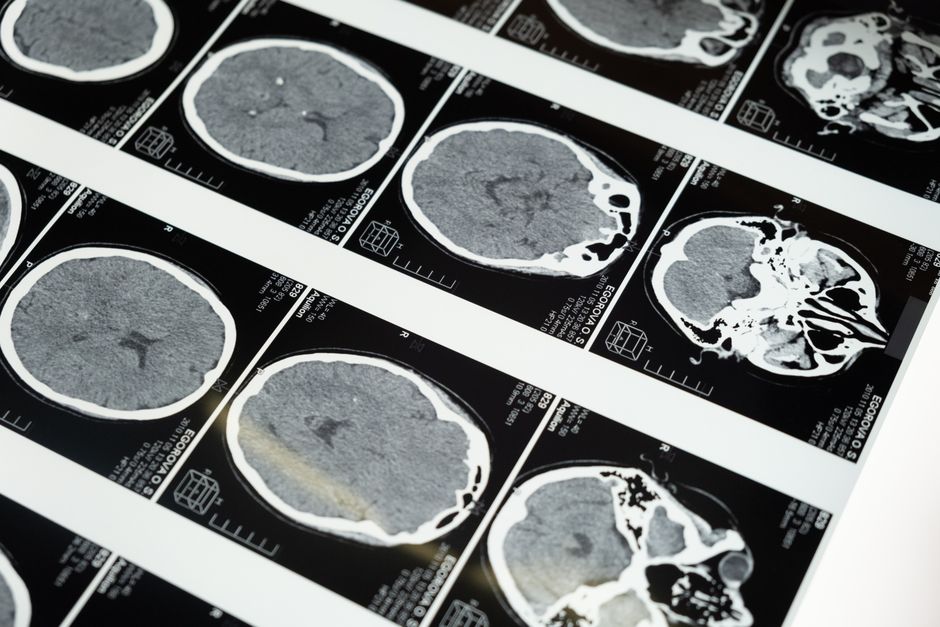
Cerebral atherosclerosis is the buildup of plaque inside the arteries that supply blood to your brain. This narrowing and hardening of brain arteries reduces blood flow and can lead to strokes or transient ischemic attacks. Treatment focuses on managing risk factors like high blood pressure and cholesterol through medication and lifestyle changes.
What Exactly Is Cerebral Atherosclerosis?
Cerebral atherosclerosis is a specific type of atherosclerosis that affects the arteries inside your skull. It is not the same as carotid artery disease, which affects the large arteries in your neck. The process is the same: cholesterol, fats, and other substances build up into plaque on artery walls.
Over time, these plaques harden and narrow the artery. This reduces how much oxygen-rich blood reaches your brain tissue. The brain is highly dependent on a steady supply of oxygen and glucose. Even a brief drop in blood flow can cause damage.
The condition is often silent for years. Many people have significant plaque buildup without any noticeable symptoms. The first sign may be a stroke or a transient ischemic attack (TIA), which is sometimes called a mini-stroke.
What Are the Symptoms of Cerebral Atherosclerosis?
Most people with cerebral atherosclerosis have no symptoms until the artery is severely narrowed or a blood clot forms. When symptoms do appear, they typically come from a TIA or stroke.
Symptoms of a TIA or stroke include sudden numbness or weakness on one side of the body. This often affects the face, arm, or leg. Other symptoms include sudden confusion, trouble speaking, or difficulty understanding speech. You may also experience sudden trouble seeing in one or both eyes, dizziness, loss of balance, or a sudden severe headache with no known cause.
Some people report less specific symptoms that may come and go. These can include brief episodes of dizziness, double vision, or a feeling of clumsiness. However, these symptoms are not reliable for diagnosis. Many other conditions cause similar sensations. The American Stroke Association emphasizes that any sudden neurological symptom requires immediate medical attention.
How Is Cerebral Atherosclerosis Diagnosed?
Doctors use several tools to diagnose cerebral atherosclerosis. The process usually starts with a physical exam and a review of your medical history. Your doctor will check your blood pressure and listen to the arteries in your neck with a stethoscope. A whooshing sound called a bruit may indicate narrowed arteries.
Imaging tests provide the clearest picture. A carotid ultrasound uses sound waves to create images of the carotid arteries in your neck. This is a common first test. A CT angiogram or MR angiogram uses contrast dye to visualize blood vessels in the brain. These tests can show exactly where blockages are and how severe they are.
Blood tests are also important. They check your cholesterol levels, blood sugar, and markers of inflammation. The American Heart Association recommends regular screening for people with risk factors like high blood pressure, diabetes, or a family history of heart disease or stroke.





What Are the Main Risk Factors?
Risk factors for cerebral atherosclerosis are the same as for atherosclerosis elsewhere in the body. Some you cannot change, but most you can.
Non-modifiable risk factors include age, sex, and family history. Risk increases significantly after age 55. Men have a higher risk at younger ages, but women’s risk catches up after menopause. If a close family member had early heart disease or stroke, your own risk is higher.
Modifiable risk factors are where treatment focuses. High blood pressure is the single most important risk factor for stroke. Research published in the journal Stroke found that controlling blood pressure reduces stroke risk by about 35 to 40 percent. High LDL cholesterol, smoking, diabetes, obesity, and physical inactivity all contribute to plaque buildup.
One less obvious risk factor is chronic stress. Studies have found that people with high stress levels have higher rates of atherosclerosis. The exact mechanism is not fully understood, but stress likely raises blood pressure and promotes inflammation.
What Treatments Are Available for Cerebral Atherosclerosis?
Treatment for cerebral atherosclerosis has two main goals: prevent plaque from getting worse and prevent blood clots from forming. The approach depends on how advanced the disease is.
Medication is the foundation of treatment for most people. Statins lower LDL cholesterol and have been shown to reduce stroke risk even in people with normal cholesterol. Blood pressure medications, typically ACE inhibitors or diuretics, keep pressure in a healthy range. Antiplatelet drugs like aspirin or clopidogrel make it harder for blood clots to form. If you have diabetes, controlling blood sugar is essential.
Lifestyle changes are equally important. The American Heart Association recommends at least 150 minutes of moderate aerobic activity each week. A Mediterranean-style diet rich in vegetables, fruits, whole grains, and healthy fats has the strongest evidence for reducing atherosclerosis progression. Smoking cessation is not optional — it is essential.
Surgical procedures are reserved for severe blockages. Carotid endarterectomy is a surgery where a surgeon removes plaque from the carotid artery. Carotid artery stenting involves placing a small mesh tube to keep the artery open. These procedures carry their own risks, including stroke, so they are not done lightly. Guidelines from the American Stroke Association recommend them only when the blockage is greater than 70 percent and the patient has already had symptoms.
| Treatment Type | Primary Goal | When Used |
|---|---|---|
| Medication (statins, antiplatelets) | Reduce plaque growth and clot risk | First-line for all diagnosed patients |
| Lifestyle changes | Address underlying risk factors | Always, in combination with medication |
| Carotid endarterectomy | Remove large plaque surgically | Blockage >70% with prior symptoms |
| Carotid stenting | Open narrowed artery with stent | Alternative when surgery is too risky |
What Does Research on What Is Cerebral Atherosclerosis Symptoms Treatment Show?
Research on cerebral atherosclerosis treatment has shifted over the past decade. The old view was that aggressive stenting or surgery was the best option for severe blockages. Current evidence tells a more careful story.
The SAMMPRIS trial, published in the New England Journal of Medicine, was a landmark study. It compared aggressive medical management to stenting in patients with intracranial atherosclerosis. The results surprised many doctors. Patients who received only medication and lifestyle counseling had fewer strokes and deaths than those who got stents. This trial changed clinical guidelines worldwide.
Research also shows that controlling inflammation matters as much as lowering cholesterol. The CANTOS trial found that an anti-inflammatory drug reduced cardiovascular events in patients with high inflammation levels. This suggests that future treatments may target inflammation directly.
Evidence for dietary changes is strong but often overstated by popular health media. The Mediterranean diet has the best data. A 2018 study in JAMA found that it reduced major cardiovascular events by about 25 percent in high-risk patients. No single food or supplement has the same effect.
Common Misconceptions About Cerebral Atherosclerosis
One common myth is that you can “reverse” atherosclerosis completely. This is not accurate. With aggressive treatment, plaque can shrink slightly, but it does not disappear. The goal is stabilization, not reversal. A stable plaque is less likely to rupture and cause a stroke.
Another misconception is that only older people need to worry. While age is a major risk factor, atherosclerosis begins in childhood. Fatty streaks in arteries can appear in teenagers. The process takes decades to cause problems, which is why early prevention matters.
Some people believe that taking aspirin daily prevents stroke in everyone. This is wrong. For people without diagnosed heart disease or stroke, the risk of bleeding from aspirin may outweigh the benefit. The U.S. Preventive Services Task Force now recommends against routine aspirin use for primary prevention in most adults over 60.
A final myth is that supplements like fish oil or vitamin D can replace medication. Evidence for supplements in preventing stroke is weak at best. A 2019 review in the Journal of the American College of Cardiology found no clear benefit for most supplements. Prescription medications have far stronger evidence.
- Cerebral atherosclerosis is not reversible, but it is treatable
- Lifestyle changes work best alongside medication, not instead of it
- Most people with the condition have no symptoms until a stroke occurs
- Aggressive medical management often outperforms surgical procedures
Frequently Asked Questions
Can cerebral atherosclerosis be cured?
No, it cannot be cured, but it can be managed effectively with medication and lifestyle changes. The goal is to stop plaque from growing and prevent strokes.
What is the difference between cerebral atherosclerosis and carotid artery disease?
Cerebral atherosclerosis affects arteries inside the skull, while carotid artery disease affects the neck arteries. Both reduce blood flow to the brain and increase stroke risk.
How fast does cerebral atherosclerosis progress?
Progression varies widely depending on risk factors. With uncontrolled high blood pressure and high cholesterol, plaque can build up over years. Aggressive treatment can slow or halt progression.
Is cerebral atherosclerosis hereditary?
Genetics play a role, but lifestyle factors are more important. Having a family history of stroke or heart disease increases your risk, but healthy habits can offset much of that risk.
