
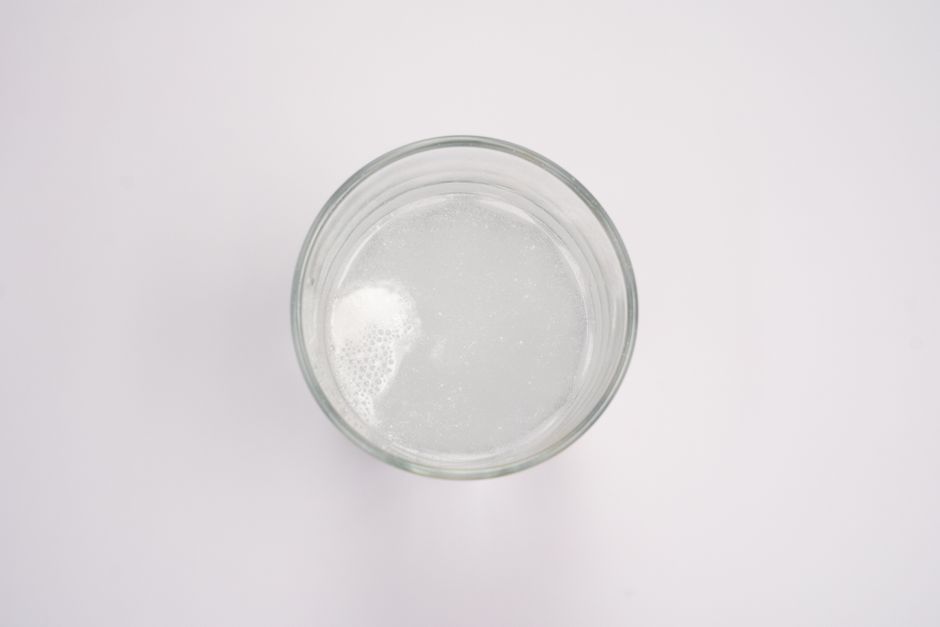
Bubbles in urine are usually caused by the physical force of urination, not by disease. A fast stream hitting the water in the toilet bowl traps air and creates foam. That foam typically breaks apart within a minute or two. When bubbles are persistent, sit on top of the water, and do not clear after several minutes, the cause is more often protein in the urine, which lowers surface tension and holds the foam together. Other causes include dehydration, certain medications, and in rare cases a connection between the bladder and the bowel.
What Is Cause Of Bubbles In Urine?
Most bubbles come from mechanics. The speed and angle of the urine stream, the amount of water already in the bowl, and even the cleaning product left in the toilet all change how much foam forms. This kind of foam is thin, appears at the edges, and vanishes quickly.
Protein is the cause worth knowing about. Healthy kidneys filter blood and keep large molecules like albumin inside the bloodstream. When the filtering units of the kidney are damaged, protein leaks into the urine. Protein acts like a mild soap. It lowers the surface tension of the water, so bubbles stay intact longer and form a visible layer on top.
This is why doctors do not diagnose anything from foam alone. A urine dipstick test costs little and answers the question directly. If protein is present, the next step is measuring how much over a full day or comparing protein to creatinine in a single sample.
When Are Bubbles in Urine a Sign of Kidney Problems?
Persistent, dense foam that reappears every time you urinate is the pattern that deserves a doctor’s attention. Occasional bubbles after a fast or forceful stream are not.
Protein in the urine, called proteinuria, is the medical term. It can come from several places:
- Glomerular disease, where the kidney’s filtering units are inflamed or scarred
- Diabetes, which is a leading cause of kidney damage over time
- High blood pressure, which damages the small vessels in the kidney
- Infections of the urinary tract or kidney
- Some medications, including certain pain relievers used long term
- Temporary causes such as fever, heavy exercise, or stress
The temporary forms matter. Fever, intense exercise, and emotional stress can all push small amounts of protein into urine for a short time. This is called transient proteinuria and it resolves on its own. A single positive dipstick result is not proof of kidney disease.
One detail that often gets missed: orthostatic proteinuria. Some people, more often teenagers and young adults, release protein only when standing or moving around. Their urine is normal when collected after lying down overnight. This pattern is generally benign, but it still needs a doctor to confirm which type is present.
Can Dehydration Cause Foamy Urine?
Yes. When you drink less water, urine becomes more concentrated. The higher concentration of waste products changes how the liquid behaves at the surface, and foam can form more easily. Dark yellow urine alongside bubbles points toward dehydration rather than kidney damage.
Dehydration is common and easy to correct. Urine color is a practical guide. Pale straw to light yellow generally suggests adequate fluid intake. Dark amber suggests you need more fluids. This is a general guide, not a diagnostic test, and certain vitamins and foods can change urine color on their own.
If bubbles clear up after you drink more water over a day or two, dehydration was likely the cause. If they persist regardless of hydration, that is when a urine test makes sense.




What Else Can Make Urine Foamy?
Several other things produce foam that has nothing to do with protein or dehydration.
Toilet bowl cleaners leave residue that reacts with urine and creates bubbles. If the foam appears only in one bathroom, this is worth ruling out first.
Medications can change urine chemistry. Some antibiotics, diuretics, and other drugs have been associated with foamy urine. This is uncommon and usually noted on the drug’s information sheet.
Retrograde ejaculation happens when semen flows backward into the bladder instead of out through the penis. It occurs in some men after prostate surgery, in men with diabetes-related nerve damage, and with certain medications. Urine looks cloudy or foamy after ejaculation. It is not dangerous on its own but can affect fertility.
Fistula is a rare connection between the bladder and the bowel. This allows gas and stool to enter the bladder. Urine may look foamy and smell foul, and passing gas during urination is a hallmark. This requires medical evaluation.
How Do Doctors Find the Cause?
A urine dipstick test is the first step. It takes minutes and detects protein, blood, glucose, and signs of infection. If protein is present, the result is usually confirmed with a second test because false positives happen.
If protein is confirmed, common follow-up tests include:
- A 24-hour urine collection to measure total protein
- A protein-to-creatinine ratio on a single sample
- Blood tests to check kidney function, including creatinine and estimated glomerular filtration rate
- Blood sugar and blood pressure checks, since diabetes and hypertension are leading causes of kidney disease
An estimated glomerular filtration rate, or eGFR, is a calculated number that estimates how well the kidneys filter. A value of 60 or higher is generally considered normal in adults, though the exact cutoff depends on age and other factors. Values below that for three months or longer suggest chronic kidney disease. Your doctor interprets this alongside your full history, not in isolation.
Imaging such as ultrasound may be used if a structural problem is suspected. A kidney biopsy is reserved for cases where the cause remains unclear and treatment depends on knowing the exact tissue diagnosis.
Does Foamy Urine Always Mean Something Is Wrong?
No. Most people who notice bubbles in their urine have normal kidneys. The force of urination alone explains it in the majority of cases.
The signal to act on is persistence. Foam that appears every time, sits thick on the surface, and does not break down after a few minutes is different from a few bubbles that disappear quickly. Pair that with swelling in the ankles or around the eyes, unexplained fatigue, or blood pressure that has crept up, and a medical visit is warranted.
Protein in the urine can exist for years without symptoms. That is the reason it is checked routinely in people with diabetes or high blood pressure. Early kidney damage often has no warning signs beyond a lab result.
What Should You Do If You Notice Foamy Urine?
Drink more water for a day or two and see if the foam changes. Check whether it happens in every toilet or just one. Look at the urine color. These simple observations give useful information.
If the foam is persistent, schedule a visit with your doctor. Ask for a urine test. It is inexpensive, quick, and answers the main question directly. Do not wait for other symptoms to appear, because kidney disease often produces none until it is advanced.
If you have diabetes, high blood pressure, a family history of kidney disease, or you take medications that can affect the kidneys, regular monitoring is already part of good care. Foamy urine is one more reason to keep those appointments.
Frequently Asked Questions
Is foamy urine always a sign of kidney disease?
No. Most foamy urine is caused by the speed of urination or by dehydration, not kidney disease. Persistent, dense foam that does not clear is the pattern that warrants a urine test.
Can dehydration alone cause bubbles in urine?
Yes. Concentrated urine from low fluid intake can produce more foam than usual. If the foam clears after you drink more water, dehydration was likely the cause.
What does protein in urine look like?
Protein in urine typically appears as a layer of small, stable bubbles that sit on the surface and do not break apart quickly. Only a urine dipstick test can confirm whether protein is actually present.
When should I see a doctor about foamy urine?
See a doctor if the foam is persistent, appears every time you urinate, or comes with swelling, fatigue, or changes in blood pressure. A simple urine test can identify whether protein is present.
