
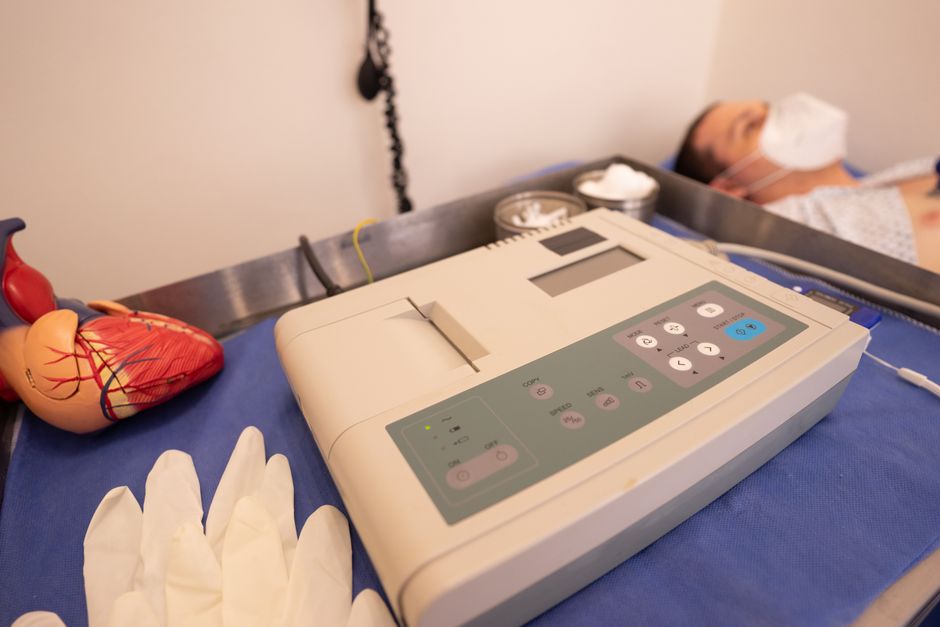
Cardiac ablation is a minimally invasive procedure that destroys tiny areas of heart tissue causing abnormal heart rhythms. Doctors use heat, extreme cold, or other energy sources to create small scars in the heart. These scars block faulty electrical signals that make the heart beat too fast, too slowly, or irregularly. The medical term for abnormal heart rhythm is arrhythmia. For many people, ablation restores a normal heartbeat and eliminates symptoms like palpitations, dizziness, and shortness of breath.
Why Would Someone Need Cardiac Ablation?
Cardiac ablation treats arrhythmias that medication cannot control or that cause serious symptoms. The most common reasons include atrial fibrillation, atrial flutter, supraventricular tachycardia, and certain types of ventricular tachycardia. Some people choose ablation because they cannot tolerate the side effects of anti-arrhythmic drugs. Others prefer a procedure that may offer a long-term solution rather than taking medication daily.
Atrial fibrillation is the most frequently treated arrhythmia with ablation. It affects millions of Americans and increases stroke risk. When medications fail to keep the heart rhythm stable, ablation offers an alternative. The procedure is also used for Wolff-Parkinson-White syndrome, a condition where an extra electrical pathway in the heart causes rapid heartbeats.
The decision to have ablation depends on your specific arrhythmia, overall health, and how much symptoms affect your daily life. Your cardiologist will order tests first. These usually include an electrocardiogram, an echocardiogram, and sometimes a longer monitoring device worn for weeks to capture your heart’s rhythm patterns.
How Does Cardiac Ablation Work?
Cardiac ablation works by targeting the precise location in the heart where abnormal electrical signals originate. The heart has its own electrical system that coordinates each heartbeat. When this system misfires, extra signals can cause the upper or lower chambers to beat chaotically.
During the procedure, a doctor called an electrophysiologist guides thin, flexible tubes called catheters through a blood vessel to reach the heart. These catheters are usually inserted through a vein in the groin, neck, or arm. Special sensors on the catheter tips map the heart’s electrical activity to identify the exact tissue causing the problem.
Once the abnormal tissue is located, the doctor delivers energy through the catheter tip. This creates a small, controlled scar. The scar tissue cannot conduct electricity, so it blocks the faulty signals. The type of energy used depends on the arrhythmia and the heart’s anatomy:
- Radiofrequency energy uses heat to cauterize the tissue. This is the most common method.
- Cryoablation uses extreme cold to freeze the tissue. A balloon-tipped catheter is often used for this technique.
- Pulsed field ablation uses rapid electrical pulses to destroy tissue. This is a newer approach that may reduce damage to surrounding structures.
Most ablation procedures take two to four hours. You receive sedation or general anesthesia so you remain comfortable and still. The doctor monitors your heart continuously throughout the procedure.
What Happens Before, During, and After the Procedure?
Preparation begins weeks before the procedure. Your doctor may ask you to stop certain blood thinners to reduce bleeding risk. You will have blood tests, an imaging study of your heart, and a discussion about medications you currently take. You must not eat or drink anything after midnight the night before.
The procedure itself starts with numbing the insertion site. You lie on a table surrounded by monitors. The doctor inserts the catheter and threads it toward your heart using live X-ray images for guidance. You may feel pressure at the insertion site but should not feel pain inside your chest. Tell the care team if you experience significant discomfort.
After the procedure, you recover in a monitored unit for several hours. Most people go home the same day or stay overnight. You will need someone to drive you home. The insertion site may have a small bruise or tender area for a few days.
Full recovery takes about one week. Most people return to normal activities within a few days, but you should avoid heavy lifting and strenuous exercise for about a week. Your doctor will schedule follow-up appointments to check your heart rhythm and ensure the ablation was successful.


How Effective Is Cardiac Ablation?
Ablation success rates depend heavily on the type of arrhythmia being treated. For supraventricular tachycardia, which includes conditions like AV nodal reentrant tachycardia, success rates exceed 95 percent. These arrhythmias involve a single, well-defined abnormal pathway that is relatively easy to target.
Atrial fibrillation ablation is less predictable. Success rates for paroxysmal atrial fibrillation, where episodes come and go, range from 70 to 80 percent after a single procedure. Persistent atrial fibrillation, where the rhythm stays abnormal for longer periods, has lower success rates. Many people with persistent AFib need more than one ablation or continue taking medication after the procedure.
The goal of ablation is not always a perfect, uninterrupted normal rhythm. For some people, success means fewer episodes, less severe symptoms, or better response to medications. Your doctor will define what success looks like for your specific situation before the procedure.
What Are the Risks and Complications?
Cardiac ablation is generally safe, but it is an invasive heart procedure with real risks. The most common complications are minor and resolve on their own. These include bruising, bleeding, or infection at the catheter insertion site.
More serious complications are less common but possible. These include:
- Bleeding around the heart called cardiac tamponade, which requires emergency drainage
- Blood clots that can travel to the brain and cause a stroke
- Damage to blood vessels where the catheter traveled
- Injury to the esophagus because it sits directly behind the heart’s left atrium
- Damage to the heart’s normal electrical system, sometimes requiring a pacemaker
- Pulmonary vein narrowing, which can affect blood flow from the lungs
Your personal risk depends on your age, overall health, the specific arrhythmia, and whether you have other heart conditions. People with heart failure, kidney disease, or advanced age face higher complication rates. Ask your electrophysiologist about your specific risk profile before consenting to the procedure.
Life After Cardiac Ablation
Some people notice improvement immediately. Others need several weeks or months before the heart settles into a stable rhythm. It is normal to experience occasional palpitations during the first few months as the heart tissue heals. This does not always mean the ablation failed.
You will likely need to take blood thinners for a period after ablation, even if your rhythm returns to normal. This protects against stroke while the heart tissue heals. The duration depends on your stroke risk factors, not just the success of the procedure.
Most people can stop anti-arrhythmic medications after successful ablation. However, some continue taking them at lower doses. Your doctor will decide based on follow-up monitoring, usually done at three, six, and twelve months after the procedure.
Who Is Not a Candidate for Cardiac Ablation?
Not everyone with an arrhythmia is a suitable candidate. People with extensive scar tissue in the heart from prior heart attacks may not benefit from ablation because the abnormal rhythms originate from multiple sites that cannot all be safely targeted.
People with blood clots in the heart chambers need treatment before ablation can proceed. The procedure cannot be performed safely if a clot is present because the catheters could dislodge it and cause a stroke. Severe heart failure, uncontrolled bleeding disorders, and certain advanced lung conditions also increase procedural risk substantially.
Your electrophysiologist will weigh the potential benefits against the risks for your specific case. Sometimes the best decision is medication management rather than ablation. Sometimes ablation is recommended early before trying multiple medications. There is no universal answer that applies to everyone.
Frequently Asked Questions
Is cardiac ablation a major surgery?
No, cardiac ablation is a minimally invasive procedure, not open-heart surgery. It uses catheters inserted through blood vessels, requiring only small incisions at the entry points.
How long does a cardiac ablation procedure take?
Most ablation procedures take two to four hours. The total time in the hospital, including preparation and recovery, is typically five to eight hours.
Will I be awake during cardiac ablation?
You receive sedation or general anesthesia, so you will not feel pain or remember the procedure. You may be lightly sedated and breathing on your own, or fully asleep depending on the type of ablation.
Can cardiac ablation cure atrial fibrillation permanently?
Ablation can eliminate atrial fibrillation for many people, but it is not guaranteed to be permanent. Some people need a second procedure, and others still require medication to maintain normal rhythm.
