
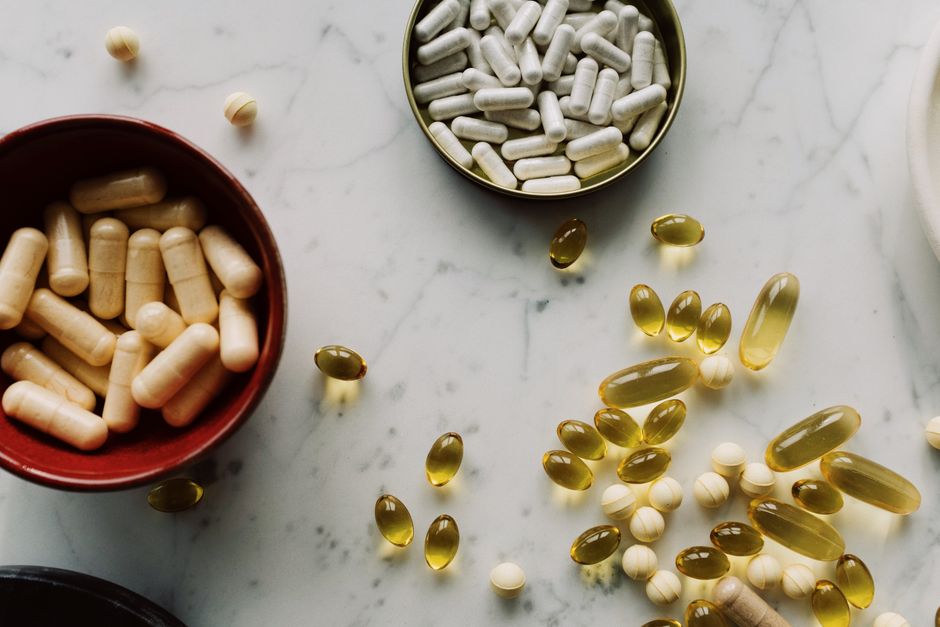
Caprylic triglyceride is a manufactured fat made from caprylic acid, an eight-carbon saturated fatty acid found naturally in coconut oil, palm kernel oil, and some dairy. It is sold as a supplement, a food ingredient, and a source of “medium-chain triglycerides” (MCTs). For most healthy adults, small to moderate amounts used as a food ingredient are considered safe, but the supplement form can cause digestive upset, and the evidence for many of the health claims attached to it is limited.
What Is Caprylic Triglyceride And Is It Safe?
Caprylic triglyceride is a clear, nearly odorless liquid made by separating caprylic acid from coconut or palm kernel oil and attaching it to a glycerol backbone. The result is a fat that behaves differently in the body than the fats in butter or olive oil.
Most dietary fats are long-chain triglycerides. They travel through the lymphatic system and require bile salts and a series of digestive steps before they reach the bloodstream. Caprylic triglyceride is a medium-chain triglyceride. It is absorbed more directly into the portal vein and carried to the liver, where it is used quickly for energy or converted into ketone bodies.
That difference is the basis for nearly every claim made about it. It is also why the safety picture depends heavily on how it is used. As a food ingredient in small amounts, it has a long history of use and no serious safety concerns for the general population. As a concentrated supplement taken in large doses, it can cause nausea, stomach cramps, and diarrhea, and it is not appropriate for everyone.
How Is Caprylic Triglyceride Different From Other MCTs?
MCT oil is not one substance. It is a blend of several medium-chain fatty acids, and caprylic triglyceride is just one component of that blend.
The two most common MCTs in supplements are caprylic acid (C8) and capric acid (C10). The number refers to how many carbon atoms are in the fatty acid chain. Caprylic acid has eight. Capric acid has ten.
This matters because the body handles them at different speeds. Caprylic acid is absorbed and converted to ketones faster than capric acid. That is why some manufacturers sell “C8” products that are mostly or entirely caprylic triglyceride, and market them as more efficient than standard MCT oil.
Whether that speed difference translates into meaningful health benefits is a separate question. Faster ketone production in a laboratory or a small study does not automatically mean better outcomes for weight, athletic performance, or brain health. Those claims require clinical trials, and the trials are limited.
What Does The Evidence Actually Show For Its Uses?
The strongest evidence for caprylic triglyceride is in a narrow clinical setting. It has been used in medical nutrition for people who cannot digest or absorb long-chain fats normally, and in some specialized ketogenic diets for epilepsy that are managed by physicians.
Outside those settings, the evidence is much thinner.
- Weight loss: Some short-term studies suggest MCTs may slightly increase energy expenditure or feelings of fullness compared with other fats. The effects are small, and longer-term studies showing meaningful weight loss are lacking.
- Athletic performance: Research on MCTs as a fuel source during exercise has produced mixed results. Some studies show a sparing of glycogen, others show no benefit, and gastrointestinal distress is a common reason participants drop out.
- Cognitive function and dementia: The theory that ketones can fuel a brain that struggles with glucose is biologically plausible. Small studies in people with mild cognitive impairment have shown mixed results, and no large trial has confirmed a benefit for preventing or treating dementia.
- Antimicrobial claims: Caprylic acid has shown activity against certain microbes in laboratory settings. Laboratory results do not establish that it treats infections in humans, and it should not be used in place of prescribed treatment.
The pattern here is consistent. Plausible mechanisms, some small positive studies, and a lack of large, well-controlled trials that would let anyone state a clear benefit.




What Are The Known Side Effects And Risks?
The most common side effects of caprylic triglyceride supplements are gastrointestinal. Nausea, stomach cramping, loose stools, and diarrhea are frequently reported, especially when it is started at a high dose or taken on an empty stomach.
These effects are not a sign of harm in the way that, say, liver toxicity would be. They are a direct result of how quickly the fat is absorbed and metabolized. Still, they are common enough that many people cannot tolerate full doses.
There are a few groups who should be more cautious:
- People with diabetes: Because caprylic triglyceride can affect ketone levels and, in some cases, blood sugar, anyone using insulin or diabetes medication should talk to a clinician before using it in supplement doses.
- People with liver conditions: Medium-chain triglycerides are processed in the liver. Anyone with significant liver disease should not use concentrated MCT products without medical guidance.
- People with a history of pancreatitis or fat malabsorption: High fat loads can worsen symptoms in some of these conditions.
- Pregnant and breastfeeding women: No clinical guidelines currently exist for caprylic triglyceride supplementation in these groups. The safest approach is to avoid concentrated supplement doses unless a clinician specifically recommends them.
Caprylic triglyceride can also interact with how the body handles certain medications, though documented interactions are limited. As with any supplement, mention it to your pharmacist or doctor.
Is Caprylic Triglyceride The Same As Coconut Oil?
No. This is one of the most common points of confusion, and it matters.
Coconut oil contains a mix of fats. Roughly half of its fat is lauric acid, a twelve-carbon fatty acid that behaves more like a long-chain fat in the body than a true medium-chain fat. Caprylic acid makes up a much smaller share of coconut oil, typically in the single digits as a percentage of total fat.
So eating coconut oil is not the same as taking caprylic triglyceride. You would have to eat a large amount of coconut oil to get a meaningful dose of caprylic acid, and you would take in a lot of other fats at the same time. Caprylic triglyceride supplements concentrate the specific fatty acid and remove most of the rest.
This is also why claims about coconut oil do not automatically transfer to caprylic triglyceride, or the reverse. They are related, but they are not interchangeable.
How Is It Used In Food And Supplements?
In food, caprylic triglyceride shows up as an ingredient in some sports drinks, meal replacements, and processed foods, where it adds a quick energy source and a smooth texture. Amounts in these products are generally small.
In supplement form, it is sold as a liquid, a softgel, or a powder, often labeled as MCT oil or C8 oil. It is also added to some coffee products marketed for ketogenic diets.
There is no single established dose for general use. Clinical settings use specific amounts under medical supervision, and those amounts do not translate into a general recommendation for healthy adults. Anyone considering it should start with a small amount and increase slowly, and should stop if digestive symptoms become significant.
What Should You Watch For On A Label?
Labeling in the supplement industry is not tightly standardized. A product called “MCT oil” may be mostly caprylic acid, mostly capric acid, or a blend. A product called “C8” should be predominantly caprylic acid, but the exact percentage is not always listed.
If the specific fatty acid content matters to you, look for a product that states the percentage of C8 on the label. If it does not, you cannot know what you are getting. Third-party testing seals can help confirm that what is on the label matches what is in the bottle, though they do not confirm that the product does anything useful.
Be skeptical of claims that a caprylic triglyceride product “supports brain health,” “burns fat,” or “fights infection.” Those phrases are marketing, not established clinical findings. No large human trial has confirmed these outcomes for caprylic triglyceride supplements.
Frequently Asked Questions
Is caprylic triglyceride safe to take every day?
For most healthy adults, small to moderate amounts used as a food ingredient are considered safe. Daily supplement doses are more likely to cause stomach upset, and people with diabetes, liver disease, or a history of pancreatitis should check with a clinician first.
What are the side effects of caprylic triglyceride?
The most common side effects are nausea, stomach cramps, and diarrhea, especially at higher doses or when taken on an empty stomach. These usually ease when the dose is lowered or taken with food.
Does caprylic triglyceride help with weight loss?
Some short-term studies suggest MCTs may slightly increase energy use or fullness compared with other fats, but the effect is small. No large, long-term trial has shown that caprylic triglyceride produces meaningful weight loss on its own.
Is caprylic triglyceride the same as coconut oil?
No. Coconut oil is mostly lauric acid, which behaves more like a long-chain fat, while caprylic triglyceride is a concentrated form of the eight-carbon caprylic acid. They are related but not interchangeable.
