
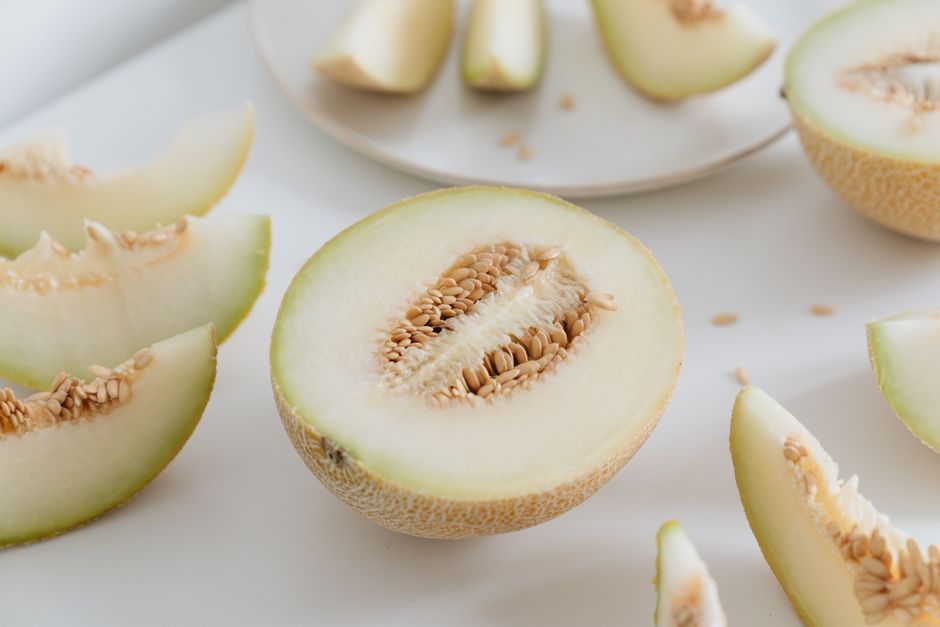
Cantaloupe is a round, sweet melon with orange flesh and a netted, tan-colored rind. It belongs to the same plant family as cucumbers, pumpkins, and squash. Nutritionally, it stands out for its high vitamin A and vitamin C content, its water weight, and its supply of potassium and folate. It is a genuinely nutrient-dense fruit that most people can eat regularly as part of a balanced diet.
What Is Cantaloupe Good For?
Cantaloupe is good for supporting hydration, providing antioxidant vitamins, and supplying nutrients that support immune function and healthy skin. A single cup of cubed cantaloupe provides a substantial portion of your daily vitamin A needs, mostly in the form of beta-carotene, which the body converts to retinol. The same serving also delivers a significant amount of vitamin C.
The fruit is naturally low in calories and contains no fat or cholesterol. Because it is roughly 90 percent water, it is an effective food for maintaining fluid balance. Many people find it easy to digest and gentle on the stomach. Its natural sweetness also makes it a practical substitute for processed sugary snacks when you want something sweet without added sugar.
What Nutrients Are Actually in Cantaloupe?
Cantaloupe is not a single-nutrient fruit. Its value comes from the combination of vitamins, minerals, and plant compounds working together. The most notable nutrients include:
- Vitamin A (beta-carotene): Supports vision, immune function, and skin cell production.
- Vitamin C: An antioxidant that supports immune defense and collagen formation for skin and joints.
- Potassium: An electrolyte that helps regulate blood pressure and muscle contractions.
- Folate (vitamin B9): Important for cell division and especially significant during pregnancy.
- Fiber: Present in moderate amounts, mostly in the flesh, supporting digestive regularity.
The orange color of the flesh is a direct marker of its carotenoid content. Beta-carotene is the pigment that gives the fruit its color, and it is also a precursor to active vitamin A. This means the body only converts as much as it needs, which makes vitamin A toxicity from eating cantaloupe essentially impossible.
Does Cantaloupe Help With Hydration?
Yes. Cantaloupe is roughly 90 percent water by weight. Eating it contributes to total daily fluid intake in a meaningful way. For people who struggle to drink enough plain water, high-water fruits like cantaloupe are a legitimate source of hydration.
The fruit also contains potassium, which works with sodium to maintain fluid balance inside and outside cells. This combination of water and electrolytes makes cantaloupe a reasonable snack during hot weather or after light exercise. It is not a replacement for an electrolyte drink during intense or prolonged exercise, but it is adequate for everyday hydration needs.





Can Cantaloupe Support Eye Health?
The beta-carotene in cantaloupe is directly relevant to eye health. Research consistently shows that dietary carotenoids, including beta-carotene, lutein, and zeaxanthin, are associated with a lower risk of age-related macular degeneration. Cantaloupe is a solid source of beta-carotene, though it contains less lutein and zeaxanthin than leafy green vegetables.
Vitamin A deficiency is a leading cause of preventable blindness worldwide. In populations where deficiency is common, improving vitamin A intake protects vision. For people eating a typical Western diet, cantaloupe is one of many useful sources, not a medical treatment. Eating it regularly contributes to adequate vitamin A status, which is the actual protective factor.
Is Cantaloupe Good for Blood Sugar and Diabetes?
Cantaloupe has a moderate glycemic index, meaning it can raise blood sugar, but not as rapidly as refined sugar or white bread. The fruit contains natural sugars, mostly fructose and glucose, along with fiber and water. The fiber and water slow sugar absorption somewhat, but cantaloupe is not a low-sugar fruit.
For people with diabetes, portion size matters. A reasonable serving is about one cup of cubed fruit. Eating cantaloupe with a source of protein or healthy fat, such as plain yogurt or nuts, slows digestion further and blunts the blood sugar response. No evidence suggests cantaloupe is harmful for people with diabetes when eaten in normal portions as part of a balanced meal plan.
Does Cantaloupe Help Digestion?
Cantaloupe provides both soluble and insoluble fiber, which support digestive health in different ways. Insoluble fiber adds bulk to stool and helps prevent constipation. Soluble fiber feeds beneficial gut bacteria, which produce short-chain fatty acids that support the intestinal lining.
The water content also matters for digestion. Fiber without adequate water can worsen constipation. Because cantaloupe delivers both fiber and water together, it is a practical choice for supporting regularity. It is not a high-fiber fruit compared to berries, pears, or legumes, but it contributes meaningfully to daily fiber intake.
Can Cantaloupe Improve Skin Health?
Vitamin C in cantaloupe is required for the body to produce collagen, the main structural protein in skin. Collagen gives skin its firmness and elasticity. Without sufficient vitamin C, collagen production slows, and skin becomes more fragile and slower to heal.
Beta-carotene also plays a role in skin health. It acts as an internal antioxidant that helps protect skin cells from damage caused by ultraviolet radiation. Some research suggests that diets rich in carotenoids provide a modest level of natural sun protection, though this is not a substitute for sunscreen. Eating cantaloupe supports skin from the inside, but it does not prevent sunburn or reverse existing skin damage.
Is Cantaloupe Safe for Everyone?
Cantaloupe is safe for most people, but there are important exceptions. People with a known allergy to melons should avoid it. Cross-reactivity between cantaloupe and certain pollens, particularly ragweed, can cause oral allergy syndrome in some individuals. Symptoms include itching or tingling in the mouth after eating raw melon.
People taking potassium-sparing diuretics or those with advanced kidney disease should be mindful of their potassium intake. Cantaloupe is moderately high in potassium. For most healthy people this is beneficial, but for someone with impaired potassium excretion, it can contribute to dangerous blood potassium levels. Anyone with kidney disease should follow their healthcare provider’s guidance on fruit choices.
Food safety is a genuine concern with cantaloupe. The rough, netted rind can trap bacteria, including Salmonella and Listeria. Outbreaks linked to cantaloupe have occurred. The rind should be scrubbed thoroughly under running water before cutting, even though you do not eat it. Cut cantaloupe should be refrigerated and consumed within a few days. Pregnant women should be especially careful, as Listeria infection poses serious risks during pregnancy.
How Does Cantaloupe Compare to Other Fruits?
Cantaloupe is often compared to watermelon and honeydew because they look similar at the grocery store. Nutritionally, they differ in meaningful ways.
| Fruit (1 cup cubed) | Vitamin A | Vitamin C | Potassium | Calories |
|---|---|---|---|---|
| Cantaloupe | High | Moderate | Moderate | ~54 |
| Honeydew | Low | Moderate | Moderate | ~61 |
| Watermelon | Moderate | Moderate | Low | ~46 |
The key difference is vitamin A. Cantaloupe is far richer in beta-carotene than honeydew or watermelon. Watermelon, however, contains lycopene, a different carotenoid with its own antioxidant properties. If you are choosing between these melons, cantaloupe is the stronger choice for vitamin A, while watermelon wins on lycopene. Eating a variety of fruits remains the best overall approach.
How Should You Choose and Store Cantaloupe?
A ripe cantaloupe should feel heavy for its size and have a sweet, musky aroma at the stem end. The rind should be firm but give slightly under gentle pressure. Avoid melons with soft spots, cracks, or mold on the surface.
Whole cantaloupe can sit at room temperature for a day or two to finish ripening. Once cut, it must be refrigerated. Store cut pieces in a sealed container and use them within three to four days. Cantaloupe does not continue to ripen after cutting, so its flavor and texture will only decline with time.
Frequently Asked Questions
Is cantaloupe good for weight loss?
Yes, cantaloupe is low in calories and high in water, which makes it a filling snack for relatively few calories. It is not a magic weight-loss food, but it can replace higher-calorie sweets in a balanced diet.
Can you eat cantaloupe seeds?
Yes, cantaloupe seeds are edible, though most people discard them. They are not toxic, but they are tough and not particularly flavorful, so roasting them is the most practical way to eat them.
Is cantaloupe safe to eat during pregnancy?
Yes, cantaloupe is safe during pregnancy when properly washed and handled. Pregnant women should scrub the rind before cutting and refrigerate cut pieces promptly to reduce the risk of Listeria contamination.
Does cantaloupe cause bloating?
Some people experience bloating after eating cantaloupe because it contains fermentable carbohydrates called FODMAPs. People with irritable bowel syndrome may tolerate only small portions or may need to avoid it entirely.
