
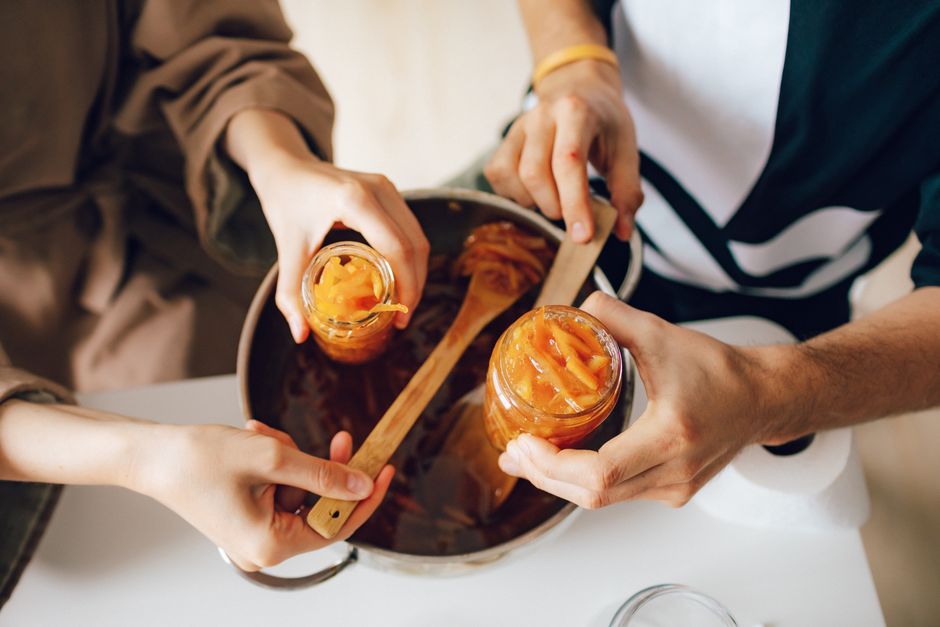
Canning is a method of preserving food by sealing it in an airtight container and heating it to a temperature that destroys microorganisms and inactivates enzymes that cause spoilage. The process creates a vacuum seal that prevents new contaminants from entering, allowing food to remain safe and edible for months or even years without refrigeration. It works by combining heat processing with an oxygen-free environment to stop the biological and chemical reactions that normally break food down.
What Is Canning In Food Preservation And How It Works
Canning relies on two main forces working together: high heat and a vacuum seal. The heat kills harmful bacteria, molds, and yeasts that live on or inside food. The vacuum seal, created as the jar cools, keeps new microorganisms from getting in after processing.
The science is straightforward. Microorganisms need moisture, warmth, and oxygen to survive and multiply. Canning removes the warmth during storage and removes the oxygen through sealing. Without these conditions, spoilage organisms cannot grow, and the food stays stable at room temperature.
Enzymes also cause food to break down over time. These natural proteins speed up chemical reactions that change color, texture, and flavor. The heat used in canning denatures these enzymes, essentially turning them off permanently. This is why properly canned food keeps its quality for long periods.
What Foods Can Be Canned Safely?
Not all foods can be canned the same way. The acidity of the food determines which method is required. This is the single most important factor in canning safety.
High-acid foods have a pH of 4.6 or lower. These include most fruits, tomatoes (with added acid), pickles, jams, and jellies. The acid itself inhibits the growth of dangerous bacteria, especially Clostridium botulinum, the organism that causes botulism. High-acid foods can be safely processed in a boiling water bath, which reaches about 212°F (100°C) at sea level.
Low-acid foods have a pH above 4.6. These include all vegetables, meats, poultry, fish, and soups. They require a pressure canner because boiling water is not hot enough to destroy botulism spores. A pressure canner reaches 240°F (115°C) or higher, which is necessary to kill these heat-resistant spores.
Botulism spores are naturally present in soil and can be found on many foods. They are not harmful themselves, but they produce a potent toxin when they germinate in an oxygen-free environment. Canned food is exactly that environment. This is why the distinction between high-acid and low-acid foods is not a suggestion — it is a safety requirement.
The Two Main Canning Methods Explained
There are only two approved methods for home canning. Choosing the wrong one can make food unsafe, even if the food looks and smells fine.
Boiling water bath canning is used for high-acid foods only. Jars are submerged in boiling water for a specified time. The heat kills molds, yeasts, and most bacteria. The acid in the food prevents botulism spores from germinating. This method is simple and requires no special equipment beyond a large pot with a rack.
Pressure canning is required for all low-acid foods. A pressure canner is a specialized pot that traps steam to raise the internal temperature above boiling. This extra heat is the only way to destroy botulism spores. Pressure canning requires careful attention to pressure levels and processing times. It is not the same as a pressure cooker used for quick meal preparation, though some modern appliances can do both.
There is no safe third option. Oven canning, microwave canning, and open-kettle canning are not considered safe methods by food safety authorities. These methods do not provide consistent, controlled heat, and they have been linked to cases of foodborne illness.



Step-by-Step: How the Canning Process Works
The process follows a specific sequence. Each step matters, and skipping any of them can compromise safety.
- Prepare the food. Wash produce thoroughly. Peel, chop, or slice as directed by a tested recipe. Some foods need to be pre-cooked or blanched before packing.
- Prepare the jars. Inspect jars for chips or cracks. Wash them in hot soapy water and keep them warm until filling. This prevents thermal shock when hot food is added.
- Fill the jars. Pack food into jars leaving the recommended headspace — the empty space between the food and the lid. Too little headspace can prevent a proper seal. Too much can cause food to darken or spoil at the top.
- Remove air bubbles. Run a non-metallic spatula around the inside of the jar to release trapped air. Wipe the rim clean. Any food residue on the rim can break the seal.
- Apply lids and process. Place the lid on the jar and screw on the band until fingertip-tight. Process in a boiling water bath or pressure canner for the exact time specified in a tested recipe.
- Cool and check seals. After processing, remove jars and let them cool undisturbed for 12 to 24 hours. As the jars cool, the contents contract, pulling the lid down into a tight vacuum seal. Press the center of each lid — it should be concave and not move.
Altitude affects processing times and pressures. Water boils at lower temperatures at higher elevations, so processing times must be increased in a boiling water bath. Pressure canner settings must also be adjusted. Check current guidelines for your elevation before canning.
How Long Does Canned Food Last?
Properly canned food maintains high quality for up to one year, though it remains safe to eat beyond that time. The quality — flavor, texture, and nutritional value — gradually declines over time. Most food safety authorities recommend using home-canned food within one year for best quality.
Storage conditions matter. Keep jars in a cool, dark, dry place. Temperatures between 50°F and 70°F are ideal. Heat accelerates nutrient loss and can affect color and texture. Light can fade the color of some foods, especially fruits and vegetables.
Do not store jars in a damp environment. Moisture can rust the lids and compromise the seal. Do not store jars in freezing temperatures unless the recipe specifically allows it, as frozen liquid can crack jars or break the seal.
How to Tell If Canned Food Has Gone Bad
Botulism toxin has no reliable taste or smell. You cannot always tell if canned food is contaminated by looking at it or tasting it. This is why following tested recipes and processing times is so important.
However, some signs indicate spoilage. Bulging lids, leaking jars, and foam or bubbles inside the jar are red flags. A foul odor, mold, or unusual color also signals that the food should be discarded. If a jar fails to seal within 24 hours, the food must be refrigerated and used quickly, or reprocessed within 24 hours using a fresh lid.
If you suspect a jar is spoiled, do not taste the contents. Dispose of the jar and its contents in a way that pets and children cannot access. If the food shows signs of botulism — such as a bulging lid or a bad odor — contact your local health department for proper disposal instructions.
Common Canning Mistakes That Can Make Food Unsafe
Several errors can turn safe food into a health risk. The most dangerous mistakes involve processing time and method.
- Using a boiling water bath for low-acid foods. This is the most serious error. It does not reach temperatures high enough to kill botulism spores.
- Shortening processing times. The times in tested recipes are minimums. They account for the slowest heating spot in the jar. Cutting time even slightly can leave dangerous organisms alive.
- Increasing batch size without adjusting time. Adding more jars to a canner can lengthen the time needed to reach processing temperature.
- Reusing old recipes or family methods. Canning recommendations have changed as research has improved. Older recipes may not be safe.
- Using the wrong jar size. Processing times are calculated for specific jar sizes. Using a larger jar than the recipe specifies can underprocess the food.
Follow only recipes from current, tested sources. University extension services and the USDA publish scientifically validated recipes and processing times. These are updated as new research becomes available. Recipes from old cookbooks, social media, or passed-down family instructions may not meet current safety standards.
Is Home Canned Food Healthier Than Store Bought?
Home canning gives you control over ingredients. You can choose organic produce, reduce salt, and avoid preservatives and artificial additives. For many people, this is a meaningful benefit.
However, canning itself affects nutrition. The high heat used in processing destroys some heat-sensitive vitamins, particularly vitamin C and some B vitamins. This loss happens in commercial canning too. Frozen food often retains more of these vitamins than canned food because freezing does not use heat.
Home-canned food is not inherently more nutritious than commercially canned food. Both undergo similar heat processing. The advantage of home canning is ingredient control and taste, not superior nutrition. If you are canning for nutritional reasons, know that some vitamin loss is unavoidable with any heat-based preservation method.
Frequently Asked Questions
Is canning food safe?
Yes, when done correctly using tested recipes and the proper method for the food’s acidity level. Unsafe canning practices, especially pressure canning low-acid foods, can lead to botulism.
What is the difference between water bath and pressure canning?
Water bath canning uses boiling water at 212°F and is only safe for high-acid foods. Pressure canning reaches 240°F or higher and is required for all low-acid foods to destroy botulism spores.
How long does home canned food last?
Home-canned food remains safe to eat for years if the seal holds, but quality is best within one year. Flavor, texture, and nutrient content gradually decline over time.
Can you get botulism from home canned food?
Yes, botulism is a real risk when low-acid foods are canned improperly. Following tested recipes and correct processing methods eliminates this risk in nearly all cases.
