
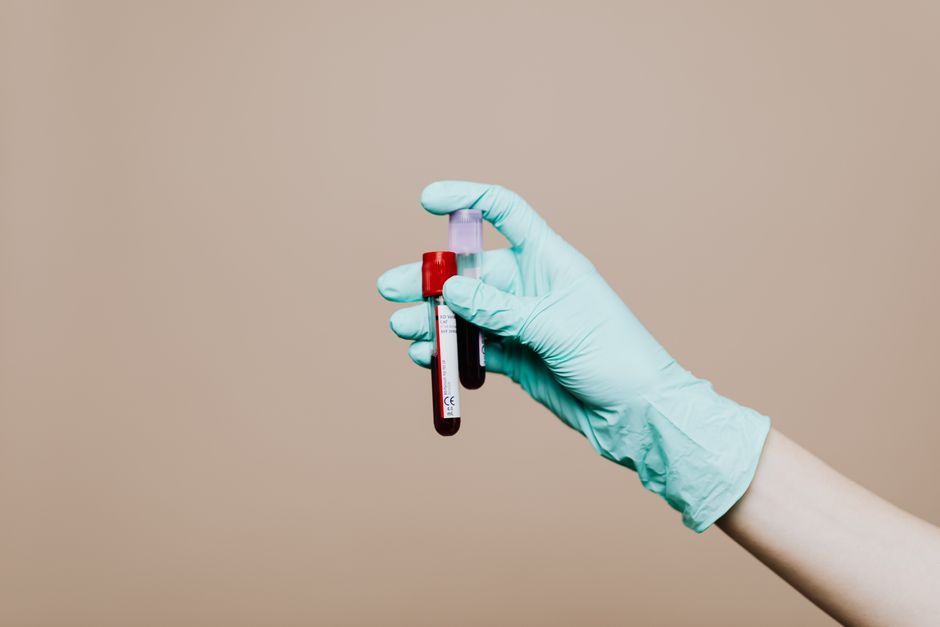
A blood test that measures BUN and creatinine is a common way to check how well your kidneys are working. BUN stands for blood urea nitrogen. Creatinine is a waste product from normal muscle breakdown. When your kidneys are healthy, they filter both out of your blood and into your urine. If your kidneys are not filtering well, the levels of BUN and creatinine in your blood go up. Doctors often look at these two numbers together to get a clearer picture of kidney function than either number alone.
What Exactly Are BUN and Creatinine?
BUN measures the amount of nitrogen in your blood that comes from urea. Urea is a waste product your liver makes when it breaks down protein. After the liver produces urea, it travels through the blood to the kidneys. The kidneys filter it out.
Creatinine is a different waste product. It comes from the normal wear and tear of muscles. When muscles work, they break down a compound called creatine. That breakdown produces creatinine. Your kidneys filter creatinine out of your blood at a fairly steady rate. That is why creatinine is a more reliable marker for kidney function than BUN alone.
Neither test is perfect on its own. BUN can be affected by things like dehydration, a high-protein diet, or bleeding in the digestive tract. Creatinine is more stable, but it can vary with muscle mass. Older adults and people with less muscle may have lower baseline creatinine levels even if their kidneys are struggling.
Why Do Doctors Order This Test?
Doctors order a BUN and creatinine test for several reasons. It is often part of a routine blood panel during an annual physical. It is also used when someone has symptoms that could point to kidney problems.
Symptoms that may prompt this test include swelling in the legs or ankles, foamy urine, blood in the urine, fatigue, trouble sleeping, or changes in how often you urinate. The test is also used to monitor people with conditions that raise the risk of kidney disease, such as diabetes, high blood pressure, or a family history of kidney failure.
The test can also help doctors adjust medication doses. Many drugs are cleared from the body by the kidneys. If kidney function is reduced, a drug dose may need to be lowered to prevent it from building up to unsafe levels.
What Do the Numbers Mean?
Normal ranges vary slightly by lab. In general, a normal BUN level is between 7 and 20 mg/dL. A normal creatinine level is roughly 0.7 to 1.3 mg/dL for adult men and 0.6 to 1.1 mg/dL for adult women. Women typically have lower creatinine because they usually have less muscle mass.
A high BUN level can mean your kidneys are not filtering well. It can also mean you are dehydrated, because low blood volume makes the kidneys hold onto urea. A high creatinine level more strongly suggests kidney impairment, but it can also be temporarily elevated after intense exercise or a high-protein meal.
Doctors rarely look at BUN or creatinine alone. They usually calculate a ratio between the two. A normal BUN-to-creatinine ratio is about 10:1 to 20:1. A higher ratio can suggest dehydration or reduced blood flow to the kidneys. A normal ratio with elevated levels of both often points to intrinsic kidney disease.





What Is the BUN-to-Creatinine Ratio?
The BUN-to-creatinine ratio helps doctors narrow down the cause of abnormal kidney numbers. It is not a separate test. It is just a calculation based on the two values already measured.
When the ratio is high, it often means the kidneys are getting less blood than normal. This can happen with dehydration, heart failure, or shock. The kidneys are still working, but they are not getting enough blood flow to filter properly.
When both BUN and creatinine are high but the ratio is normal, it points to damage inside the kidneys themselves. Conditions like glomerulonephritis or diabetic kidney disease can cause this pattern. In these cases, the kidney tissue is damaged and cannot filter waste even with normal blood flow.
A low ratio is less common. It can occur in liver disease, malnutrition, or conditions that cause excessive muscle breakdown. The ratio is a useful clue, but it is not a diagnosis by itself.
How Is the Test Done?
The test is a simple blood draw. A healthcare worker takes a small sample of blood from a vein in your arm. The sample is sent to a lab for analysis. There is no special preparation required for most people.
Some clinics may ask you to fast before the test. This is usually because the blood draw is part of a larger panel that includes a fasting glucose or lipid test. The BUN and creatinine values themselves are not significantly affected by eating.
You should tell your doctor about all medications and supplements you take. Certain drugs can raise creatinine levels without actually damaging the kidneys. These include some antibiotics, acid reducers, and over-the-counter pain relievers like ibuprofen and naproxen.
What Can Affect the Results?
Several factors can change BUN and creatinine levels that are not related to kidney disease. Knowing these can help you understand why your doctor might repeat a test or order additional ones.
Dehydration is one of the most common causes of a high BUN level. When you are dehydrated, your blood volume drops and urea becomes more concentrated. Drinking enough water usually brings the level back to normal.
Muscle mass affects creatinine. A bodybuilder may have a creatinine level above the normal range with perfectly healthy kidneys. A frail older adult may have a normal creatinine level while their kidneys are actually functioning poorly. This is why doctors use a formula called eGFR, or estimated glomerular filtration rate, which adjusts creatinine for age, sex, and sometimes race.
Diet matters too. A very high-protein diet can raise BUN. Creatine supplements can raise creatinine. Eating a large steak before a blood draw can temporarily increase both values.
What Happens if Your Levels Are Abnormal?
An abnormal result does not mean you have kidney failure. It means your doctor needs more information. The next step is usually a repeat test to confirm the finding.
Your doctor may also order a urine test. A urine sample can show whether protein or blood is leaking into the urine, which is a sign of kidney damage. An ultrasound of the kidneys can check for structural problems like blockages or cysts.
If kidney disease is confirmed, treatment depends on the cause. Controlling blood pressure and blood sugar are the two most important steps for protecting kidney function. Medications called ACE inhibitors or ARBs are commonly used because they protect the kidneys beyond just lowering blood pressure.
Some causes of high BUN and creatinine are reversible. Dehydration, a urinary tract blockage, or a medication side effect can often be corrected. Once the underlying issue is fixed, kidney numbers usually return to normal.
When Should You See a Doctor About Kidney Concerns?
You should not wait for symptoms to appear before checking your kidneys. Early kidney disease often has no symptoms at all. By the time symptoms show up, the kidneys may already have significant damage.
If you have diabetes, high blood pressure, or a family history of kidney disease, talk to your doctor about how often you should have your kidney function checked. These conditions are the leading causes of chronic kidney disease.
Seek medical attention sooner if you notice swelling in your legs or face, blood in your urine, foamy urine, or difficulty urinating. These symptoms warrant evaluation regardless of your last blood test results.
Frequently Asked Questions
What is a normal BUN and creatinine level?
Normal BUN is roughly 7 to 20 mg/dL, and normal creatinine is about 0.7 to 1.3 mg/dL for men and 0.6 to 1.1 mg/dL for women.
Can drinking water lower BUN and creatinine?
Drinking water can lower BUN if dehydration is the cause, but it will not fix kidney damage.
What does a high BUN-to-creatinine ratio mean?
A high ratio often means dehydration or reduced blood flow to the kidneys, not necessarily kidney disease.
Do I need to fast before a BUN and creatinine blood test?
Fasting is not required for BUN and creatinine alone, but your doctor may ask you to fast if the blood draw includes other tests that require it.
