
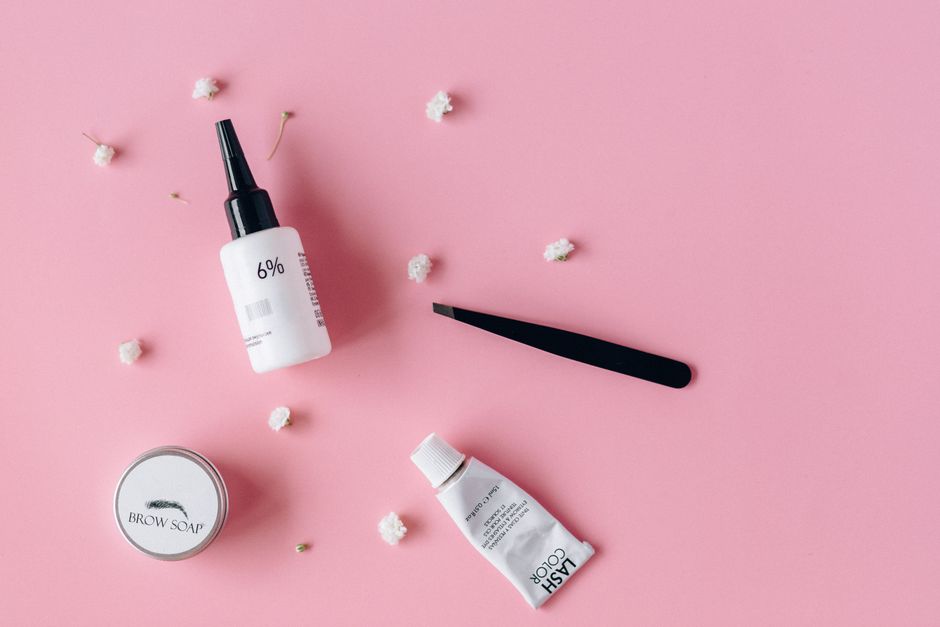
Brow lamination is a cosmetic eyebrow treatment that uses a chemical solution to break bonds in the brow hairs, then sets them in a new, straightened position. The result is brows that look fuller, wider, and neatly brushed upward. It is a salon procedure, not a permanent one, and typically lasts four to six weeks. Unlike microblading or tattooing, brow lamination does not add pigment or cut the skin. It works on the hair you already have.
What Is Brow Lamination and How Does It Work?
Brow lamination is a two-step chemical process. A lifting cream is applied to the brow hairs to break down disulfide bonds inside each hair shaft. Those bonds give hair its natural shape and curl. Once they are broken, the hairs become flexible and can be combed into a new direction.
The second step is a setting lotion that rebuilds the bonds in the new position. Most treatments also include a nourishing serum at the end. The whole appointment usually takes 30 to 45 minutes.
The technique is chemically similar to a hair perm, just applied to a much smaller area. That comparison matters because it explains both the results and the risks. Any process that alters the structure of hair can also weaken it.
The effect is most noticeable on brows with hairs that grow in different directions or have gaps. Straightening the hairs upward covers more skin surface. This creates the appearance of density even when the actual number of hairs has not changed.
What Happens During a Brow Lamination Appointment?
A typical session follows a predictable sequence. Understanding the steps helps you know what to expect and what questions to ask.
- The technician cleans the brow area and may apply a patch test beforehand
- A lifting solution is applied to the brow hairs and left on for a set time
- The solution is removed and a setting lotion is applied
- Brows may be tinted or waxed as part of the service
- A conditioning serum or oil is applied at the end
Timing of the lifting solution varies by hair thickness and texture. Fine or damaged hair needs less time. Coarse hair may need more. This is one reason the skill and experience of the technician matters. Leaving the solution on too long increases the risk of damage.
A patch test is not universally required, but some salons offer one. If you have sensitive skin, a history of reactions to hair dye, or known allergies, ask about testing before the full treatment. No standard protocol exists across all salons, so policies vary.
How Long Does Brow Lamination Last?
Results generally last four to six weeks. That range reflects the natural hair growth cycle. Brow hairs grow and shed continuously, so new hairs emerge in their original shape and direction over time.
Several factors affect how long the look holds:
- Hair growth rate, which varies from person to person
- Hair texture and how well the bonds were set
- Aftercare, including moisture and sun exposure
- How quickly your natural brow hairs cycle through growth phases
There is no way to extend the result indefinitely. Touch-ups are typically scheduled every four to six weeks. Some people find that repeated treatments leave brows looking thinner or more fragile over time. That concern is discussed more below.





Is Brow Lamination Safe? What Are the Risks?
Brow lamination involves chemicals that alter hair structure, so it carries real risks. The evidence on long-term safety is limited. Most information comes from clinical reports of adverse reactions rather than large controlled studies.
Reported risks include:
- Skin irritation, redness, or burning during or after treatment
- Allergic reactions to the lifting or setting solutions
- Hair breakage or brittleness
- Over-processing that leaves brows dry or sparse
- In rare cases, temporary or longer-term hair loss
The chemicals used are similar to those in hair perming products. Formulations vary between brands and salons, and not all are designed for use near the eyes. This is a genuine safety concern. The brow area sits close to the eyelids and eyes, and some products are not intended for that region.
People with certain conditions should be cautious. These include eczema, psoriasis, or other skin conditions affecting the brow area, a history of allergic reactions to hair dyes or perming solutions, and very fine or already damaged brow hair. If you are pregnant or breastfeeding, there is no established safety data on brow lamination specifically. No clinical guidelines currently address this population, so the cautious approach is to discuss it with your doctor first.
If you experience burning, swelling, or a rash during or after treatment, remove the product and seek medical advice. Do not try to treat a severe reaction at home.
How Does Brow Lamination Compare to Other Brow Treatments?
Brow lamination is often confused with tinting, microblading, and brow extensions. They are different procedures with different goals and durations.
| Treatment | What It Does | Typical Duration | Involves Pigment or Skin? |
|---|---|---|---|
| Brow lamination | Straightens and sets brow hairs | 4-6 weeks | No |
| Brow tinting | Adds color to brow hairs | 2-4 weeks | Pigment, hair only |
| Microblading | Adds pigment to skin with fine strokes | 1-3 years | Pigment, into skin |
| Brow extensions | Adds synthetic or natural hairs | 2-4 weeks | No pigment |
Lamination is often combined with tinting in the same appointment. The two services address different things. Lamination changes the direction and shape of the hairs. Tinting changes their color. Together they can create a fuller, darker look.
Microblading is a form of semi-permanent tattooing. It creates the look of individual hairs by depositing pigment into the skin. It lasts far longer than lamination but involves breaking the skin, which carries its own risks including infection and scarring. The two are not interchangeable.
What Should You Know About Aftercare and Maintenance?
Aftercare affects both how long the result lasts and how healthy your brows stay. Most salons provide specific instructions, and following them matters.
Common aftercare guidance includes keeping brows dry for the first 24 to 48 hours, avoiding steam, saunas, and heavy sweating during that window, and not applying makeup directly to the brow area immediately after. These recommendations are widely given, though formal studies on brow lamination aftercare are limited.
Daily care generally involves brushing the hairs into place and keeping the area moisturized. Some technicians recommend a conditioning oil. Avoid rubbing or pulling at the hairs. Rough handling can undo the set or cause breakage.
Sun exposure and chlorine can affect both the hair and the surrounding skin. Reducing exposure may help preserve the result, though this is based on general hair care principles rather than brow-specific research.
Between appointments, resist the urge to over-brush or over-style. The hairs are in a temporarily altered state and are more vulnerable to stress than untreated hair. If your brows start to look thin or feel brittle, giving them a break between treatments is a reasonable step. There is no clinical evidence confirming that a rest period prevents damage, but it aligns with general hair health principles.
Who Should Consider Brow Lamination?
Brow lamination suits people who want a fuller, more uniform brow shape without pigment or needles. It works best on brows with enough hair to work with. If brows are very sparse, the result may be limited because there is less hair to straighten and set.
It may not be the right choice for people with sensitive skin, active skin conditions in the brow area, a history of reactions to chemical hair treatments, or very fine, fragile brow hair. If you are pregnant or breastfeeding, the absence of safety data means the decision should be made with medical guidance.
Because brow lamination is a cosmetic service and not a medical treatment, regulation and training standards vary by state and country. Checking that your technician is trained and that the products used are intended for the brow area is a practical precaution. Ask what brand they use and whether it is formulated for use near the eyes.
The most honest summary is this: brow lamination can produce a noticeable cosmetic result for several weeks, and many people are satisfied with it. But it is a chemical treatment on delicate hair near the eyes, the long-term safety evidence is thin, and the risks are real. Going in informed is better than going in on hype.
Frequently Asked Questions
How long does brow lamination last?
Most results last four to six weeks, depending on your hair growth cycle and aftercare. Touch-ups are usually scheduled in that same window.
Is brow lamination the same as microblading?
No. Brow lamination straightens and sets your existing hairs, while microblading deposits pigment into the skin and lasts one to three years.
Can brow lamination damage your eyebrows?
It can cause breakage, brittleness, or irritation, especially if the solution is left on too long or used on already damaged hair. The long-term safety evidence is limited.
Is brow lamination safe during pregnancy?
There is no established safety data on brow lamination during pregnancy or breastfeeding. No clinical guidelines currently address this group, so discuss it with your doctor first.
