
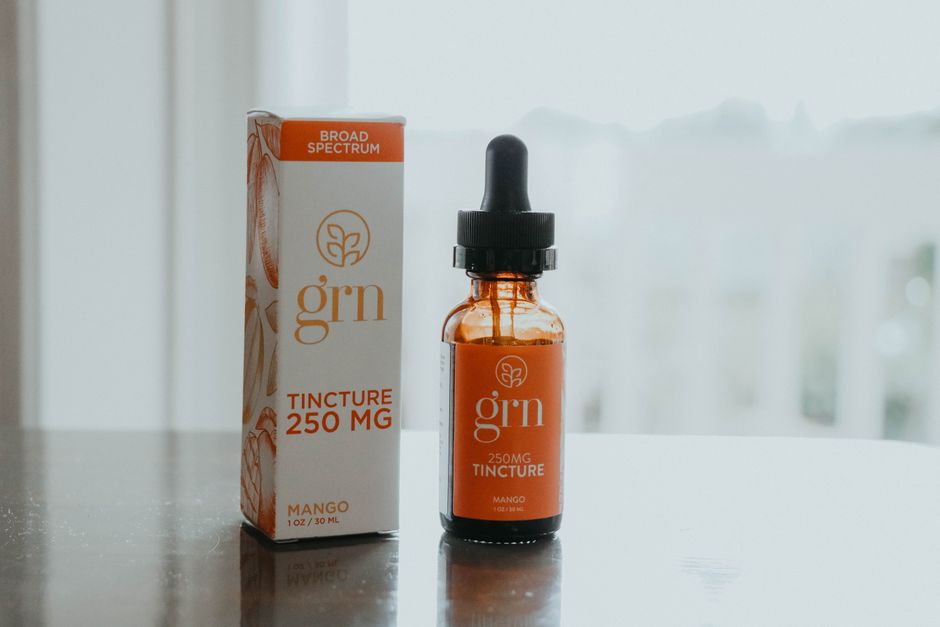
Broad spectrum hemp THC cannabinoids refers to hemp extracts that contain a wide range of naturally occurring cannabinoids — including THC — but typically at very low concentrations. The term describes what is in the product, not what it does. That distinction matters, because “broad spectrum” is a labeling category, not a medical claim or a guarantee of any specific effect.
Hemp and marijuana are both varieties of the same plant species, Cannabis sativa. In the United States, hemp is legally defined as cannabis containing no more than 0.3% THC by dry weight. Broad spectrum products are made from hemp, so they start from that low-THC baseline. How much THC ends up in the finished bottle depends entirely on how the extract was processed.
What Is Broad Spectrum Hemp THC Cannabinoids Explained?
Broad spectrum sits between two other common categories: full spectrum and isolate.
Full spectrum extracts aim to preserve the plant’s natural cannabinoid and terpene profile, including THC. These products can contain enough THC to show up on a drug test or produce mild psychoactive effects, depending on dose.
Broad spectrum extracts start as full spectrum material, then go through additional processing intended to remove or reduce THC. The result keeps many other cannabinoids — CBD, CBG, CBN, CBC, and others — along with terpenes, but with THC at low or trace levels.
Isolate is a single purified cannabinoid, usually CBD, with everything else stripped out.
The word “broad” refers to the breadth of cannabinoids retained. It says nothing about how much THC remains. Two broad spectrum products from different companies can contain very different THC amounts, and there is no standardized definition enforced across the industry for the term itself.
How Much THC Is Actually in Broad Spectrum Products?
There is no single answer, and this is where labeling gets murky.
Because broad spectrum products are made from hemp, the starting material is capped at 0.3% THC by dry weight under US law. Further processing usually lowers that. Many broad spectrum products are marketed as containing “non-detectable” THC, meaning a lab test did not find THC above the method’s detection limit. That limit varies by lab and by test.
“Non-detectable” is not the same as “zero.” A test with a detection limit of 0.01% will not report THC it cannot see below that threshold. A more sensitive test might find it.
This matters for a few practical reasons:
- Repeated use of a low-THC product can, in some people, lead to accumulation that triggers a positive drug screen.
- Product labels are not always accurate. Independent testing has repeatedly found that some hemp products contain more THC than stated, or less of the cannabinoids they claim.
- Dosing is not standardized. Serving sizes on labels are set by the manufacturer, not by any regulatory body.
If you are subject to drug testing for work, military service, or legal reasons, no broad spectrum product can be assumed safe. The only reliable way to know is a certificate of analysis from a reputable third-party lab — and even that reflects one batch, not every bottle.
What Are the Other Cannabinoids in Broad Spectrum Hemp?
Hemp plants produce over 100 identified cannabinoids, though most are present in tiny amounts. The ones you will commonly see on broad spectrum labels include:
- CBD (cannabidiol) — the most abundant non-intoxicating cannabinoid in most hemp extracts.
- CBG (cannabigerol) — often called the “parent” cannabinoid because many others form from it during plant growth.
- CBN (cannabinol) — forms as THC degrades over time, so it appears more in older plant material.
- CBC (cannabichromene) — a non-intoxicating cannabinoid found in varying amounts.
- Terpenes — aromatic compounds also found in many other plants, responsible for smell and flavor.
These compounds exist in the plant. What they do in the human body at the doses found in commercial products is a separate question, and one with far less clear answers.




Does the “Entourage Effect” Have Scientific Support?
The entourage effect is the idea that cannabinoids and terpenes work better together than in isolation. It is a popular concept in hemp marketing. The scientific picture is more complicated.
Some laboratory and animal research suggests that certain cannabinoids and terpenes can interact in ways that change their effects. That is a reasonable starting point for further study. But laboratory findings in cells or animals do not automatically translate to real effects in people taking commercial products.
Human clinical trials directly comparing broad spectrum extracts to isolates, with meaningful outcome measures, remain limited. Some studies suggest differences; others do not. The evidence is mixed, and much of what is claimed online goes well beyond what has been tested.
What is well established is different: purified CBD has been studied extensively in specific epilepsy syndromes, and a prescription CBD product is FDA-approved for certain severe seizure disorders. That is a narrow, well-defined use — not a general endorsement of broad spectrum hemp for anything else.
What Is Broad Spectrum Hemp Used For?
People use these products for many reasons — stress, sleep, general discomfort, and more. That is what people report. It is not the same as what clinical trials have demonstrated.
Here is the honest state of the evidence:
- Epilepsy: Purified CBD has strong clinical evidence for specific rare seizure disorders. This does not extend to broad spectrum hemp products.
- Anxiety: Some small studies suggest CBD may reduce anxiety symptoms. Results vary, sample sizes are often small, and broad spectrum products have not been well studied for this.
- Sleep: Evidence is limited and mixed. Some studies suggest possible benefit; others show no clear effect.
- Pain: Evidence is limited. Some research suggests CBD may help with certain types of pain, but results are not consistent enough to call this established.
For most of the uses people buy these products for, no large human trials have confirmed benefit. That does not mean they do nothing. It means we do not have the evidence to say they work.
Is Broad Spectrum Hemp Legal and Regulated?
Hemp-derived products became federally legal in the US with the 2018 Farm Bill, which removed hemp from the Controlled Substances Act definition of marijuana. Individual states have since passed their own rules, and these vary widely. Some states restrict or ban certain hemp-derived cannabinoids. Others have age limits or labeling requirements.
Federal regulation of finished hemp products is still incomplete. The FDA has not established a regulatory framework for most hemp-derived CBD products sold as supplements or foods. That means:
- No required pre-market safety review.
- No standardized serving sizes.
- No enforced limits on THC content in many product categories.
- Limited oversight of marketing claims.
In practice, quality depends heavily on the individual manufacturer. Third-party lab testing and clear certificates of analysis are the main tools consumers have to judge what is actually in a product.
What Should You Know Before Trying It?
Several practical points are worth understanding before using any broad spectrum hemp product.
Drug interactions are real. CBD can affect how the liver breaks down certain medications, including some seizure drugs, blood thinners, and others. This is established pharmacology, not speculation. If you take prescription medication, talk to your doctor or pharmacist first.
Side effects exist. Commonly reported effects in CBD research include drowsiness, digestive upset, and changes in appetite. These are generally described as mild in the studies where they appear, but they are not nothing.
Pregnancy and breastfeeding. There are no clinical guidelines establishing safe use of hemp cannabinoid products during pregnancy or breastfeeding. The FDA advises against CBD use during pregnancy and breastfeeding. Follow established guidance rather than assuming low THC means safe.
Children. Aside from the specific prescription CBD product used under medical supervision for certain epilepsy syndromes, no clinical guidelines support broad spectrum hemp use in children.
Drug testing. As noted, no broad spectrum product should be assumed safe for anyone subject to testing.
The clearest takeaway: broad spectrum describes a manufacturing approach, not a health benefit. What you get depends on the specific product, its actual cannabinoid content, and how your body responds — all things a label alone cannot tell you.
Frequently Asked Questions
What does broad spectrum hemp mean?
It means a hemp extract that contains many cannabinoids and terpenes but has had most THC removed or reduced. The term is not standardized, so actual THC content varies between products.
Does broad spectrum hemp get you high?
Usually not, because THC levels are low or trace. However, products with higher residual THC or larger serving sizes could produce effects in some people, and labels are not always accurate.
Will broad spectrum hemp show up on a drug test?
It can. Repeated use of low-THC products has been reported to trigger positive screens, and no broad spectrum product can be assumed safe for testing purposes.
Is broad spectrum better than full spectrum or isolate?
No clinical evidence currently confirms that any of the three works better than the others for health outcomes. The difference is in what compounds are present, not in proven effectiveness.
