
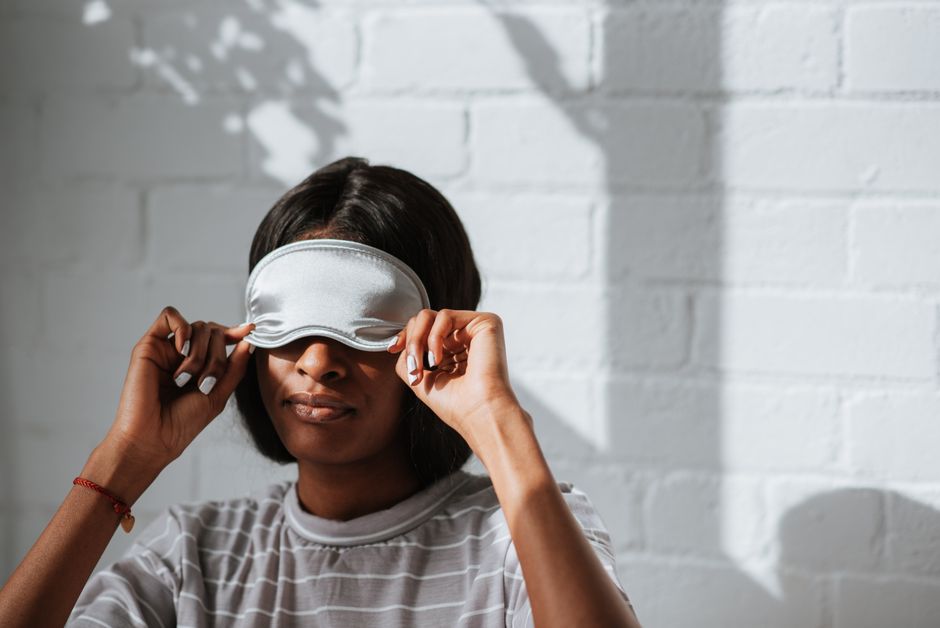
Beauty sleep is not just a saying. It is a real biological process. During deep sleep, your body shifts into repair mode, and your skin is one of the main beneficiaries. While you rest, your skin cells work to rebuild collagen, shed dead cells, and restore the moisture barrier that keeps your face looking plump and healthy. The result is a visible difference between a good night’s sleep and a poor one.
What Happens to Your Skin While You Sleep?
Your skin follows a daily rhythm just like your brain and digestive system. During the day, it focuses on protecting you from UV rays, pollution, and physical wear. At night, it switches to maintenance and repair.
Blood flow to the skin increases during sleep. This delivers oxygen and nutrients to skin cells while clearing out waste products. Cell turnover speeds up, meaning old, dull skin cells are replaced with fresh ones more quickly. Your body also produces more collagen overnight, which is the protein that keeps skin firm and elastic.
One of the most important nighttime processes is water restoration. During the day, your skin loses moisture through sweat and environmental exposure. At night, the skin’s barrier repairs itself and locks in hydration. This is why you often wake up with a more dewy, supple complexion after a full night of rest.
What Is Beauty Sleep How Sleep Transforms Your Skin
The phrase “beauty sleep” comes from the visible changes that happen after a good night’s rest. When you sleep deeply, your body releases growth hormone, which stimulates cell reproduction and tissue repair. This directly affects how quickly your skin heals from daily damage.
Sleep also regulates cortisol, the stress hormone. High cortisol levels break down collagen and increase inflammation, which leads to fine lines and dullness. A full night of sleep keeps cortisol in a healthy range, protecting the structural proteins that keep your skin smooth.
The difference is measurable. Research has shown that people who sleep fewer hours show more visible signs of skin aging, including fine lines, uneven pigmentation, and reduced elasticity. These changes appear even to untrained observers in clinical studies.
How Much Sleep Does Your Skin Actually Need?
Most adults need between 7 and 9 hours of sleep per night for general health. Skin repair follows the same pattern. The most intense repair work happens during deep sleep stages, which occur mostly in the first half of the night.
Sleep quality matters as much as quantity. Interrupted sleep prevents you from reaching the deep stages where growth hormone is released. Even if you spend 8 hours in bed, waking up frequently can reduce the time your skin spends in repair mode.
There is no separate sleep recommendation for skin health. The standard 7-9 hour guideline applies. If you consistently sleep less than 7 hours, your skin does not get the full repair cycle it needs.





Does Sleep Position Affect Your Skin?
Sleep position can influence skin appearance, but the effects are gradual. Sleeping on your stomach or side presses your face against the pillow for hours. Over time, this repeated pressure can contribute to sleep lines that become etched into the skin.
These lines are different from expression wrinkles. Expression wrinkles come from muscle movement. Sleep lines come from mechanical compression. They often appear on the forehead, cheeks, and chin depending on how you position your face.
Sleeping on your back avoids this pressure entirely. However, if you cannot change your sleep position, a silk or satin pillowcase creates less friction than cotton. This reduces tugging on the skin and may help prevent sleep creases.
Can You Catch Up on Missed Sleep?
Short answer: partially. One night of good sleep after several poor nights will improve how your skin looks. You may notice less puffiness, brighter eyes, and a more even skin tone.
But chronic sleep deprivation causes cumulative damage. Collagen breakdown accelerates, and the skin’s ability to repair itself weakens over time. A single weekend of catch-up sleep does not reverse months of poor sleep habits.
Consistency is the key factor. Regular, adequate sleep supports skin health far better than occasional long sleeps. Your skin benefits most when the repair cycle happens every night without interruption.
Do Skincare Products Work Better at Night?
Nighttime skincare can complement your body’s natural repair processes. The skin barrier is more permeable at night, which means some ingredients absorb more effectively. Retinoids, for example, are often recommended for nighttime use because they work with the skin’s natural cell turnover cycle.
However, no skincare product replaces the internal repair work that happens during sleep. A moisturizer can trap water in the skin, but it cannot stimulate collagen production the way growth hormone does. Products support the process; they do not substitute for it.
Keep your nighttime routine simple. Cleanse to remove dirt and oil, apply moisturizer to support the barrier, and use targeted treatments if you have specific concerns. The most effective nighttime routine is one you can do consistently.
Does Lack of Sleep Cause Dark Circles?
Dark circles are one of the most noticeable signs of sleep deprivation. They develop through two mechanisms. First, poor sleep causes blood vessels under the thin skin of the eyes to dilate, creating a bluish tint. Second, fluid can pool under the eyes, causing puffiness that casts shadows.
Sleep deprivation also makes the skin paler, which makes existing dark circles more visible. This is why dark circles often look worse after a poor night of sleep even if they were not prominent before.
Some dark circles are genetic and have nothing to do with sleep. If you have naturally thin skin or prominent blood vessels under the eyes, you may see dark circles regardless of how well you sleep. In these cases, sleep improves appearance but does not eliminate the issue.
What Else Damages Skin While You Sleep?
Sleep environment matters. Low humidity in your bedroom pulls moisture from your skin overnight. This is especially common in winter when heating systems dry out indoor air. Using a humidifier in your bedroom can help maintain skin hydration.
Dirty pillowcases collect oil, dead skin cells, and bacteria. When your face presses against them for hours, these can contribute to clogged pores and breakouts. Washing pillowcases weekly reduces this exposure.
Temperature also plays a role. Sleeping in a cool room, around 60-67°F, supports deeper sleep. Hot environments disrupt sleep quality, which indirectly affects skin repair. Your skin also loses less moisture in a cooler room.
Can Better Sleep Replace Skincare Products?
No. Sleep and skincare address different aspects of skin health. Sleep supports internal repair processes like collagen production and cell turnover. Skincare products provide external protection, hydration, and targeted treatment for specific concerns.
You need both for optimal skin health. A good sleep routine without skincare leaves your skin exposed to UV damage and environmental stressors. A good skincare routine without sleep cannot compensate for reduced collagen production and impaired repair.
Think of sleep as the foundation and skincare as the maintenance. The foundation determines how well the maintenance works. If you are not sleeping well, even expensive products will show limited results.
Frequently Asked Questions
How many hours of sleep do I need for healthy skin?
Most adults need 7 to 9 hours per night for general health and skin repair. Less than 7 hours consistently reduces the time your skin spends in its repair cycle.
Does sleeping on my back prevent wrinkles?
Sleeping on your back avoids pressing your face against the pillow, which can reduce sleep lines over time. It does not prevent expression wrinkles caused by facial muscle movement.
Can a good night’s sleep fix dark circles?
Sleep can reduce dark circles caused by dilated blood vessels and fluid pooling. Dark circles from genetics or thin skin will not fully disappear with better sleep.
Do nighttime skincare products work better than daytime ones?
Some ingredients absorb more effectively at night because the skin barrier is more permeable during sleep. However, no product replaces the internal repair processes that happen naturally while you rest.
