
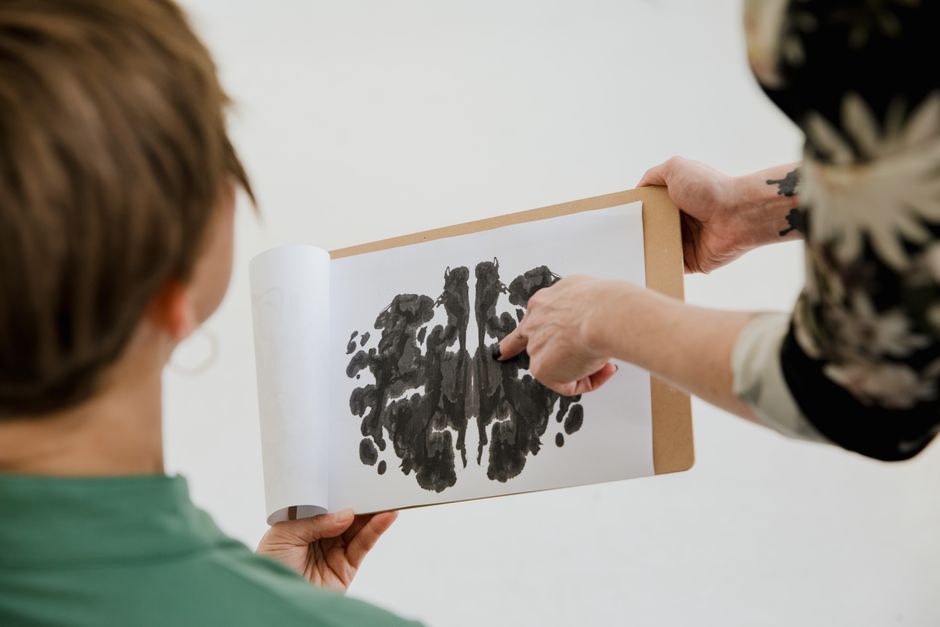
Aphasia is a communication disorder caused by damage to the parts of the brain that control language. In psychology, it is understood as a condition that affects how a person understands and produces speech, not as a problem with intelligence. Recovery varies widely depending on the cause, the area of the brain affected, and how soon treatment begins.
What Is Aphasia In Psychology Types And Recovery?
Aphasia is a language disorder that happens after injury to the brain. It can affect speaking, understanding, reading, and writing. The person’s intellect is often intact, but the brain’s language system has been disrupted.
The most common cause is stroke. Other causes include traumatic brain injury, brain tumors, infections, and progressive conditions such as dementia. Aphasia is not a mental illness, and it is not a sign of confusion or low intelligence. It is a specific disruption of language processing.
Psychologists study aphasia because it sits at the crossroads of brain function and behavior. It shows how deeply language is tied to thought, emotion, and social connection. A person with aphasia may know exactly what they want to say but be unable to find the words or put them in order.
The condition affects people of all ages, but it is most common in older adults because stroke risk rises with age. According to the National Aphasia Association, roughly one in three people who have a stroke develop aphasia. That makes it more common than many people realize.
How Does Aphasia Affect the Brain?
Language in the brain is handled mainly by networks in the left hemisphere for most right-handed people and many left-handed people. Two key areas are the Broca area, which helps produce speech, and the Wernicke area, which helps understand it.
When blood flow to these areas is cut off, brain cells can die within minutes. That damage interrupts the pathways that turn thoughts into words. The result depends on where the damage is and how extensive it is.
Damage to the Broca area often makes speech slow and effortful, while understanding stays relatively intact. Damage to the Wernicke area can produce fluent speech that does not make sense, along with poor comprehension.
It helps to separate aphasia from other conditions that can look similar. A person with aphasia may struggle to name an object, but they still recognize it. This is different from a memory problem where the object itself is not recognized.
What Are the Main Types of Aphasia?
Doctors and speech-language pathologists group aphasia into types based on which language skills are affected. These categories help guide treatment, though many people do not fit neatly into one type.
The table below summarizes the most recognized types.
| Type | Speech | Understanding |
|---|---|---|
| Broca (expressive) | Slow, effortful | Largely preserved |
| Wernicke (receptive) | Fluent but unclear | Poor |
| Global | Severely limited | Severely limited |
| Anomic | Word-finding trouble | Mostly preserved |
| Conduction | Impaired repetition | Mostly preserved |
Anomic aphasia is the mildest form. People can hold conversations but often pause to search for a specific word. Global aphasia is the most severe, with major limits on both speaking and understanding.
Some people also have what is called primary progressive aphasia. This is different because it is caused by a degenerative brain disease rather than a single event like a stroke. It tends to worsen over time rather than improve.





What Does Aphasia Look Like in Daily Life?
The signs of aphasia can be subtle or obvious. A person might use the wrong word, leave out small connecting words, or string sentences together that do not make sense to the listener.
Common signs include:
- Trouble finding the right word
- Speaking in short or broken sentences
- Not understanding fast speech or complex sentences
- Difficulty reading or writing
- Using made-up or substitute words
These problems can be frustrating for both the person and their family. The person often knows they are not being understood. That awareness can lead to embarrassment, withdrawal, and low mood.
Depression is common after aphasia, and it is not simply a reaction to the diagnosis. The same brain injury that affects language can also affect mood regulation. This is why emotional support is part of good care, not an optional extra.
How Is Aphasia Diagnosed?
Diagnosis usually starts with a medical evaluation to find the cause. A doctor may use imaging such as a CT scan or MRI to see where the brain is damaged.
A speech-language pathologist then assesses language skills in detail. This testing looks at speaking, understanding, reading, writing, and naming. It helps identify which skills are affected and how severe the problem is.
It matters to test more than just speech. A person might speak well but struggle to understand. Testing both sides of language gives a clearer picture and shapes the treatment plan.
Because aphasia can resemble other conditions, doctors also rule out problems such as hearing loss, delirium, or a motor speech disorder called apraxia. Getting the right diagnosis is the first step toward the right help.
Can Aphasia Be Treated or Recovered From?
Many people improve with treatment, especially in the first months after a stroke. The brain has some ability to rewire itself and form new connections. This is called neuroplasticity, and it is the basis for recovery.
Speech-language therapy is the main treatment. It focuses on rebuilding language skills and finding new ways to communicate. Therapy works best when it starts early and is intense, though the exact amount that helps most is still studied.
Recovery is not a straight line. Some people regain most of their language. Others make partial gains. Some reach a plateau and stay there. The outcome depends on the cause, the size and location of the damage, the person’s age and health, and how much therapy they receive.
It is important to be honest here. Not everyone recovers fully, and no single approach works for everyone. Claims that a supplement, device, or app can cure aphasia are not supported by strong evidence. Some tools may help as part of therapy, but they are not replacements for it.
For primary progressive aphasia, the goal is different. Because it worsens over time, treatment focuses on maintaining communication and quality of life for as long as possible.
What Helps Communication Day to Day?
Small changes can make a real difference for someone living with aphasia. The goal is to reduce pressure and make understanding easier.
Helpful approaches include:
- Speak in short, simple sentences
- Give extra time to respond
- Use gestures, pictures, or writing to support words
- Reduce background noise
- Ask one question at a time
It also helps to treat the person as a capable adult. Talking down to someone with aphasia can add to their frustration. Patience and respect go a long way.
Family members often benefit from their own support and training. Learning how to communicate well can lower stress for everyone involved. Support groups, both in person and online, connect people who understand the experience firsthand.
When Should You Seek Help?
Sudden trouble speaking or understanding can be a sign of stroke. This is a medical emergency. Call emergency services right away if someone suddenly cannot speak, has slurred speech, or seems confused.
For ongoing language problems, see a doctor for evaluation. Early assessment opens the door to treatment and support. Do not wait to see if it improves on its own.
Aphasia is a serious condition, but it is not the end of a person’s ability to connect. With the right care, many people find new ways to communicate and stay engaged with the people they love.
Frequently Asked Questions
Is aphasia a mental illness?
No, aphasia is a language disorder caused by brain damage, not a mental illness. It affects how a person uses and understands language while their intelligence often stays intact.
Can aphasia go away on its own?
Some people improve without much treatment, especially in the first weeks after a stroke, but most benefit from speech-language therapy. Full recovery is not guaranteed and varies from person to person.
What is the most common cause of aphasia?
Stroke is the most common cause of aphasia. Other causes include traumatic brain injury, brain tumors, infections, and progressive conditions such as dementia.
How long does aphasia recovery take?
Recovery timelines vary widely and depend on the cause, the extent of brain damage, and the person’s overall health. Many people make the most progress in the first months, but improvement can continue for years with therapy.
