
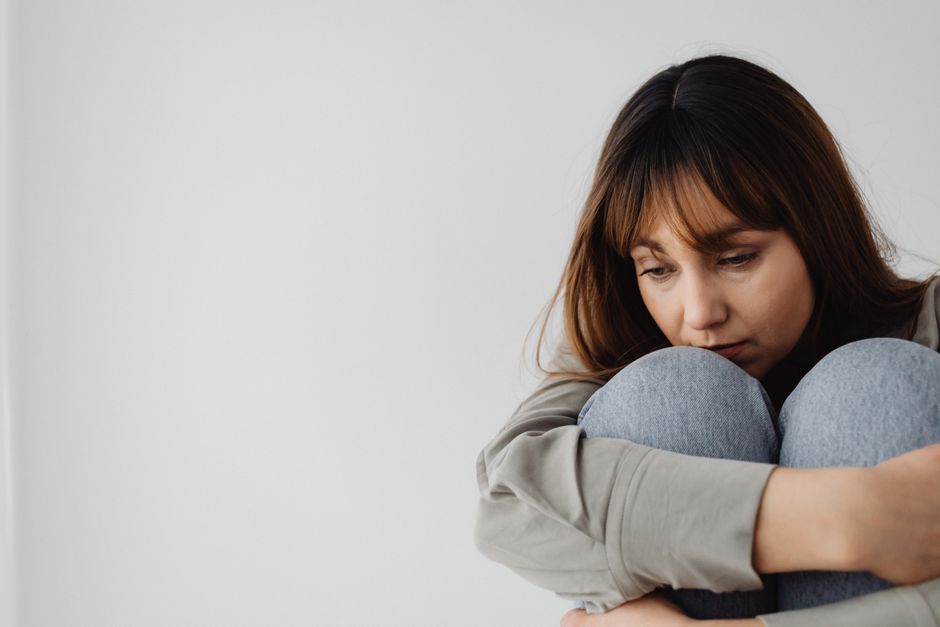
Anxious attachment style is a pattern of relating to others that forms early in life, marked by a strong need for closeness and a persistent fear that the people you love will pull away. It develops when a child’s early caregivers are inconsistent — sometimes warm and available, sometimes distant or distracted — so the child learns that love is unreliable and must be actively earned or monitored. The good news is that attachment patterns are not fixed; research consistently shows they can shift over time through therapy, self-awareness, and healthier relationships.
What Is Anxious Attachment Style?
Attachment theory describes how people form emotional bonds, starting in infancy. Anxious attachment — sometimes called anxious-preoccupied attachment — is one of several patterns identified in this framework. People with this style tend to crave closeness and reassurance, yet often feel uncertain about whether their partner truly cares.
The core feature is a heightened sensitivity to any sign of distance or rejection. A delayed text reply, a slightly flat tone of voice, or a partner’s need for alone time can trigger real distress. This is not overreacting in a character sense. The nervous system is responding to what it perceives as a threat to the relationship bond.
It helps to separate attachment style from personality. Attachment describes how you relate in close relationships specifically. Someone can be confident and capable at work and still feel chronically insecure in romantic or family bonds. The pattern is about closeness, not general competence.
Attachment styles are usually described in four categories: secure, anxious, avoidant, and a mix of anxious and avoidant sometimes called disorganized or fearful-avoidant. Most people do not fit neatly into one box. A person can lean anxious in one relationship and more secure in another, depending on the dynamic and the other person’s behavior.
What Causes Anxious Attachment Style?
Anxious attachment typically develops from inconsistent caregiving in early childhood. When a caregiver is sometimes responsive and sometimes not, a child cannot predict whether their needs will be met. That unpredictability teaches the child to stay hyper-focused on the caregiver’s mood and availability as a way to feel safe.
The key word is inconsistent, not simply absent or harsh. A caregiver who is loving one moment and distracted, stressed, or emotionally unavailable the next can produce more anxiety than a caregiver who is consistently distant. The child keeps trying because sometimes it works.
Several factors can contribute to this pattern:
- Caregivers who were present but unpredictable in their responsiveness
- A parent dealing with their own anxiety, depression, or unresolved stress
- Frequent separations or disruptions in early care
- Environments where a child had to manage a parent’s emotions rather than the reverse
- Temperament — some children are naturally more sensitive to separation
Genetics and temperament matter too. Some infants are born more reactive to stress and separation. But temperament alone does not create attachment style. It interacts with the caregiving environment over months and years.
Later experiences also shape attachment. Difficult relationships, betrayal, or loss in adolescence and adulthood can reinforce anxious patterns. So can cultural and family messages about love — for instance, the idea that you must work hard to keep someone’s affection.
It is worth being clear about what the evidence does and does not show. Attachment theory is well established in developmental psychology. But no single cause explains every case. The research points to a combination of early experience, temperament, and ongoing relationships rather than one determining factor.
What Does Anxious Attachment Look Like in Adults?
In adults, anxious attachment often shows up as a strong pull toward closeness combined with a nagging fear of being left. The person may seek frequent reassurance, read into small changes in a partner’s behavior, or feel uneasy when things are calm.
Common patterns include:
- Needing frequent confirmation that the relationship is okay
- Feeling preoccupied with a partner’s mood, attention, or whereabouts
- Difficulty tolerating space or independence in a partner
- Tendency to blame yourself when something feels off
- Strong emotional reactions to perceived distance or criticism
- Staying in unsatisfying relationships out of fear of being alone
These behaviors are not manipulation. They are usually attempts to manage genuine internal distress. The problem is that the very behaviors meant to secure closeness — like repeated checking or asking for reassurance — can sometimes push a partner away, which then confirms the original fear. This cycle is one reason anxious attachment can feel self-reinforcing.
Anxious attachment also affects friendships, work relationships, and how someone handles conflict. The pattern is not limited to romance, even though that is where it often becomes most visible.





How Does Anxious Attachment Differ From Other Styles?
The clearest contrast is with avoidant attachment. Where an anxious person moves toward others when stressed, an avoidant person tends to move away. Anxious people fear abandonment; avoidant people fear being overwhelmed or losing independence.
This difference explains a common and painful pairing. An anxious person seeks more closeness, which an avoidant partner experiences as pressure, so the avoidant pulls back, which makes the anxious person seek even more. Neither person is acting in bad faith. Each is responding to a different internal alarm.
| Style | Core Fear | Typical Response to Stress |
|---|---|---|
| Secure | None dominant | Seeks support, communicates directly |
| Anxious | Abandonment | Moves closer, seeks reassurance |
| Avoidant | Engulfment or loss of self | Withdraws, seeks distance |
| Disorganized | Both, often conflicting | Mixed approach and avoidance |
Secure attachment is not the absence of needs. It is the ability to express needs directly and trust that they will be heard, without spiraling when they are not immediately met. That is the direction many people with anxious attachment work toward.
Can Anxious Attachment Style Change?
Yes. Attachment patterns are more flexible than early researchers once assumed. Studies have found that attachment style can shift over time, sometimes on its own and sometimes through deliberate work. This is often called “earned secure” attachment.
Change usually comes from a few sources. A stable, responsive relationship can gradually teach the nervous system that closeness is not always followed by distance. Therapy can help a person recognize patterns and respond differently. And self-reflection can build awareness of the gap between a trigger and a reaction.
It is important to be honest about timelines. There is no fixed schedule for this kind of change. Some people notice shifts within months of focused work; others take years. The evidence supports that change is possible, but it does not support promises of quick fixes.
What tends to help is consistency, not intensity. Small repeated experiences of safety — being honest about a need and having it met, or surviving a moment of distance without spiraling — do more than any single dramatic breakthrough.
How To Heal From Anxious Attachment Style
Healing from anxious attachment is less about eliminating the need for closeness and more about building a steadier sense of security inside yourself and in your relationships. The goal is not to stop caring. It is to stop living in constant fear of losing what you care about.
Approaches that people commonly find useful include:
- Therapy, particularly approaches focused on attachment and relationships. Some clinicians use emotionally focused therapy or attachment-based therapy. Cognitive behavioral approaches can also help with the thought patterns that fuel anxiety.
- Naming the trigger when it happens. Recognizing “this is my attachment alarm, not a real emergency” can create a small pause before reacting.
- Communicating needs directly rather than testing a partner or waiting to be noticed.
- Building tolerance for uncertainty — learning that not every unanswered message means rejection.
- Choosing relationships with people who are consistent and responsive, which over time retrains expectations.
Self-compassion matters more than it might sound. People with anxious attachment often criticize themselves harshly for being “too much” or “needy.” That self-criticism tends to intensify the anxiety rather than reduce it.
One non-obvious point: healing does not require becoming secure in every relationship at once. Many people make progress in one relationship — a good friendship, a therapist, a steady partner — and that progress gradually spreads. Attachment patterns are learned in relationships, and they are often unlearned in relationships too.
If anxiety around relationships is causing significant distress, interfering with daily life, or contributing to depression, talking to a licensed mental health professional is a reasonable step. This article is informational and is not a substitute for individual care.
Frequently Asked Questions
Is anxious attachment style a mental health disorder?
No, anxious attachment is a relational pattern, not a diagnosed mental health condition. It can, however, overlap with anxiety or depression, which are diagnosable and treatable.
Can you have anxious attachment and still have healthy relationships?
Yes, people with anxious attachment can have healthy relationships, especially with consistent and communicative partners. The pattern may create challenges, but it does not prevent closeness or a stable bond.
Does anxious attachment ever go away completely?
Attachment styles can shift substantially, and many people move toward security over time. Whether the original pattern disappears entirely varies by person, and the evidence does not support a fixed outcome for everyone.
How long does it take to heal from anxious attachment?
There is no set timeline, and the research does not support a specific duration. Some people notice changes within months of focused work, while for others it takes longer.
