
Anise flavor comes from the seeds of the Pimpinella anisum plant, a flowering herb native to the eastern Mediterranean and Southwest Asia. It tastes like black licorice because it contains a compound called anethole, which is the same chemical that gives real licorice root its distinctive taste. The flavor is sweet, warm, and slightly spicy, and it shows up in everything from Italian biscotti to Chinese five-spice powder to French pastis.
What Is Anise Flavor Made From?
True anise flavor comes from anise seeds, which are the dried fruit of the Pimpinella anisum plant. The seeds are small, brown, and ridged, and they look a bit like cumin seeds. When crushed or distilled, they release anethole, the essential oil responsible for the strong licorice-like taste.
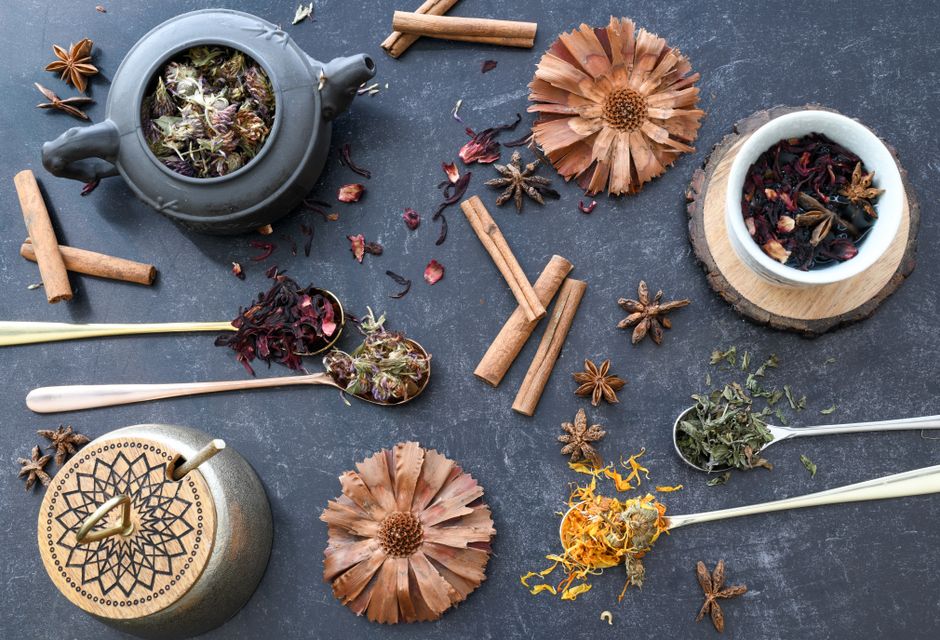
Many people confuse anise with star anise. Star anise is a different plant entirely — Illicium verum — and it grows as a tree in China and Vietnam. The star-shaped pods contain the same anethole compound, so the flavor is nearly identical. Most commercial “anise” extracts and flavorings sold in the United States actually come from star anise because it is cheaper to produce. If you look at the ingredient list on a bottle labeled “anise extract,” you will likely see star anise listed instead.
The FDA recognizes both true anise and star anise as safe for food use. But there is a dangerous look-alike called Japanese star anise (Illicium anisatum) that is toxic and should never be eaten. Reputable manufacturers do not use it, but it is worth knowing the difference if you buy whole star anise from a bulk bin.
How Is Anise Flavor Different from Licorice?
This is one of the most common mix-ups in the food world. Real licorice flavor comes from the root of the Glycyrrhiza glabra plant, which is a legume, not a seed. Licorice root contains glycyrrhizin, a compound that is about 50 times sweeter than sugar, and it has a more earthy, woody, and slightly salty taste compared to anise.
Anise and licorice share the same anethole compound, which is why they taste similar. But the chemical profiles are not identical. Licorice root also contains other compounds that give it a more complex, lingering sweetness. Anise is sharper and more straightforward.
Here is the practical takeaway: If you buy a bag of black “licorice” candy at the store, it is almost certainly flavored with anise oil, not actual licorice root. Real licorice candy is much less common and usually labeled as such. The American Heart Association notes that real licorice can lower potassium levels when eaten in large amounts, which is a risk that anise does not carry.
What Foods and Drinks Use Anise Flavor?
Anise flavor appears in cuisines around the world. Here are the most common uses:
- Baked goods — Italian biscotti, pizzelle cookies, and German Springerle all use anise seeds or extract for a sweet, aromatic note.
- Spice blends — Chinese five-spice powder includes star anise as a key ingredient. Indian garam masala sometimes uses anise seeds too.
- Alcoholic drinks — Pastis, ouzo, sambuca, absinthe, and raki all rely on anise for their signature licorice taste. These are called anise-flavored spirits.
- Savory dishes — Anise pairs well with seafood, pork, and root vegetables. It is common in Mediterranean and Middle Eastern cooking.
- Teas and remedies — Anise tea is a traditional digestive aid. Some herbal cough syrups and digestive bitters include anise oil.
If you read ingredient labels, you will find anise in unexpected places like some sausages, pickles, and even toothpaste. The flavor is versatile enough to work in both sweet and savory contexts.





Does Anise Have Any Health Benefits?
Traditional medicine has used anise for centuries to treat digestive issues, coughs, and menstrual cramps. Modern research is mixed but not dismissive.
A 2012 study published in the Journal of Ethnopharmacology found that anise seed extract has antimicrobial properties against several types of bacteria and fungi. Another study in BMC Complementary and Alternative Medicine from 2015 suggested that anise oil may help reduce symptoms of irritable bowel syndrome, though the sample size was small. The National Center for Complementary and Integrative Health (NCCIH) notes that anise is generally safe in food amounts, but there is not enough high-quality evidence to recommend it as a treatment for any specific condition.
Some people report that anise tea helps with bloating and gas after meals. This is widely claimed, though strong evidence is limited. The anethole in anise does relax smooth muscle tissue in lab studies, which could explain the digestive effects. But clinical trials on humans are sparse.
One thing to be careful about: Anise oil is potent and should not be taken undiluted. Pure anise essential oil can cause skin burns and digestive irritation. Stick to the seeds or commercial extracts for culinary use.
What Are the Side Effects of Anise Flavor?
For most people, anise in food amounts is safe. The FDA lists anise as Generally Recognized as Safe (GRAS). But there are a few things to know.
Allergic reactions are rare but possible. If you are allergic to plants in the Apiaceae family — which includes carrots, celery, fennel, and dill — you might react to anise too. Symptoms can include skin rashes, itching, or swelling of the lips and tongue.
Anise has mild estrogen-like effects in the body. Some research suggests it could interact with hormone-sensitive conditions like breast cancer or endometriosis. The evidence is not strong enough to say anise is dangerous in these cases, but if you have a hormone-related condition, it is reasonable to be cautious and talk to your doctor.
Pregnant women should avoid concentrated anise supplements and essential oils. In food amounts, anise is considered safe during pregnancy, but the concentrated forms have not been studied enough. The same caution applies to breastfeeding.
Large amounts of anise oil can cause nausea, vomiting, and even seizures in extreme cases. This is very unlikely from eating anise-flavored foods, but it is a real risk if someone drinks undiluted essential oil.
How Is Anise Flavor Used in Cooking?
Anise seeds can be used whole or ground. Whole seeds are often toasted lightly in a dry pan before grinding to release more flavor. Ground anise loses its potency faster, so buy whole seeds and grind them as needed if you want the strongest taste.
Anise extract is a concentrated liquid form. It is convenient for baking because you only need a few drops. One teaspoon of anise extract equals about one tablespoon of crushed seeds in terms of flavor intensity.
Here is a quick comparison to help you choose the right form:
| Form | Best For | Flavor Strength | Shelf Life |
|---|---|---|---|
| Whole seeds | Steeping in tea, spice blends, pickling | Mild to moderate | 3-4 years |
| Ground seeds | Baking, spice rubs, sauces | Strong | 6-12 months |
| Extract | Candy, frostings, quick recipes | Very strong | 2-3 years |
| Essential oil | Soap, aromatherapy (not for internal use) | Extremely strong | 2-5 years |
If a recipe calls for fennel seeds and you only have anise, you can substitute them. The flavors are similar, though fennel is slightly milder and sweeter. Use about 25 percent more fennel if swapping for anise, or use slightly less anise if swapping for fennel.
Frequently Asked Questions
Is anise flavor the same as licorice?
No. Anise comes from the Pimpinella anisum plant, and licorice comes from the Glycyrrhiza glabra root. They taste similar because both contain anethole, but they are different plants with different chemical profiles.
Can you be allergic to anise flavor?
Yes, though it is rare. People allergic to celery, carrots, or other Apiaceae family plants may react to anise. Symptoms include skin rash, itching, or swelling.
Does anise flavor contain alcohol?
Some anise extracts do contain alcohol as a solvent. Check the label if you avoid alcohol. Whole seeds and ground anise have no alcohol.
Is star anise safe to eat?
Yes, Chinese star anise (Illicium verum) is safe and commonly used in cooking. Japanese star anise (Illicium anisatum) is toxic and should not be eaten. Most commercial star anise sold in stores is the safe variety.
