
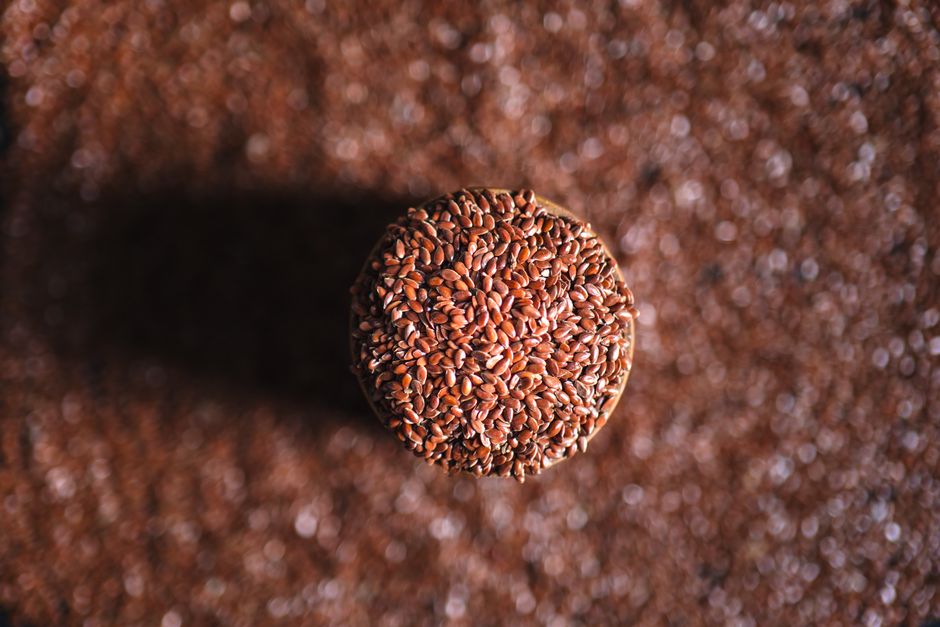
Seed oils are vegetable oils extracted from seeds like soybeans, canola, sunflower, and grapeseed. They are high in omega-6 fats and are often used in processed foods, fast food, and restaurant cooking. The concern is that a high intake of these oils, especially when paired with a low intake of omega-3s, may promote inflammation in the body. Many people eat them in large amounts without realizing it, because they are in almost everything from salad dressings to crackers.
What Are Seed Oils And Why Are They Bad?
Seed oils are refined oils made from seeds. Common examples include soybean oil, canola oil, sunflower oil, safflower oil, corn oil, cottonseed oil, and grapeseed oil. They are not the same as olive oil, coconut oil, or avocado oil, which come from the fruit or flesh of the plant.
The main concern with seed oils is their high concentration of omega-6 fatty acids, specifically linoleic acid. Your body needs some omega-6, but the typical Western diet contains far too much. When omega-6 intake far exceeds omega-3 intake, it can shift the body toward a pro-inflammatory state. Research published in Nutrients has linked high omega-6 to omega-3 ratios with chronic inflammation, which is a factor in heart disease, arthritis, and other conditions. The processing methods used to make these oils can also create harmful compounds like trans fats and lipid peroxides.
Do Seed Oils Cause Inflammation?
Yes, there is strong evidence that a high intake of omega-6 fats from seed oils can promote inflammation, but the context matters. The key is the ratio of omega-6 to omega-3 fats in your diet. Studies show that when people eat a diet with a ratio close to 1:1, inflammation markers are low. The typical American diet has a ratio around 10:1 or even 20:1, largely due to seed oils.
One study in the Journal of Nutrition found that replacing saturated fats with omega-6 rich oils increased markers of inflammation in some people. However, not everyone responds the same way. Some studies suggest that linoleic acid itself is not directly inflammatory, but its oxidized byproducts are. The problem is that seed oils are often heated and reused in cooking, which creates these harmful compounds. So the issue is not just the oil itself, but how it is used and how much of it you eat over time.
What Does the Research on Seed Oils and Heart Health Show?
The research is mixed and often misunderstood. Early studies from the 1960s and 70s suggested that replacing butter and lard with vegetable oils lowered cholesterol and reduced heart disease risk. The Minnesota Coronary Experiment, reanalyzed in 2016, found that while cholesterol levels dropped, people who ate more seed oils had a higher risk of death. This was a surprising finding that challenged the conventional wisdom.
More recent research from the American Heart Association still recommends replacing saturated fats with unsaturated fats, including seed oils, to lower heart disease risk. But the AHA also notes that the quality of the oil matters. Highly refined oils with damaged fats may not offer the same benefits. A 2020 review in BMJ found that replacing saturated fats with polyunsaturated fats reduced heart disease risk, but the benefit was small and depended on the specific oil. The takeaway is that seed oils are not inherently toxic, but they are not a health food either. The evidence does not support eating large amounts of them.
| Oil Type | Omega-6 Content (per tablespoon) | Typical Use |
|---|---|---|
| Soybean Oil | 7 grams | Salad dressings, frying, processed foods |
| Canola Oil | 2.5 grams | Baking, sautéing, restaurant cooking |
| Sunflower Oil | 9 grams | Frying, snacks, cosmetics |
| Olive Oil | 1 gram | Salads, low-heat cooking |
| Coconut Oil | 0.2 grams | Baking, high-heat cooking |





How Are Seed Oils Processed and Why Does It Matter?
Seed oils are not simply pressed from the seed. They go through a multi-step industrial process that includes heating, chemical solvent extraction (usually hexane), degumming, bleaching, and deodorizing. This process strips the oil of natural antioxidants and creates trans fats and other harmful compounds. The final product is a stable, neutral-tasting oil that can sit on a shelf for months without going rancid.
The problem is that these oils are often heated to high temperatures during cooking, especially in fast food frying. This can create lipid peroxides and aldehydes, which are toxic compounds linked to DNA damage and inflammation. A study in Chemical Research in Toxicology found that heating vegetable oils to frying temperatures produced aldehydes at levels considered unsafe. The processing and the cooking method both matter. Cold-pressed seed oils, like expeller-pressed sunflower oil, are less processed but still high in omega-6 and should be used sparingly.
What Are the Practical Steps to Reduce Seed Oil Intake?
You do not need to cut out all seed oils to see benefits. The goal is to reduce your intake and improve your omega-6 to omega-3 ratio. Start by reading ingredient labels. Seed oils are in salad dressings, mayonnaise, crackers, chips, granola bars, and many restaurant foods. If a product lists soybean, canola, sunflower, or safflower oil among the first few ingredients, it is a major source.
- Cook with olive oil, avocado oil, or coconut oil instead of seed oils.
- Choose salad dressings made with olive oil or make your own with vinegar and oil.
- Eat more omega-3 rich foods like fatty fish (salmon, mackerel, sardines), walnuts, and flaxseeds.
- Avoid deep-fried foods from restaurants and fast food chains, as they are almost always cooked in seed oils.
- Look for snacks made with coconut oil, palm oil, or butter instead of vegetable oils.
One non-obvious point: even “healthy” products like veggie burgers, protein bars, and gluten-free crackers often contain seed oils. You have to check labels on everything. Reducing seed oils is not about fear, it is about balance. Most people would benefit from simply eating fewer processed foods and more whole foods.
Common Misconceptions About Seed Oils
A common myth is that seed oils are the single cause of modern chronic disease. That is not supported by evidence. The real problem is the overall diet pattern, which includes high sugar, refined grains, and low omega-3 intake. Seed oils are one piece of a larger puzzle. Another myth is that all omega-6 is bad. Your body needs some linoleic acid for cell function and growth. The issue is excess, not elimination.
Some people claim that seed oils are “toxic” and should be avoided entirely. While the processing creates harmful byproducts, the levels in most foods are within regulatory limits. The concern is cumulative exposure over years, not a single meal. The most accurate statement is that a diet high in processed seed oils and low in omega-3s is linked to inflammation and chronic disease risk. The solution is not to panic, but to make smarter choices about the oils you cook with and the foods you buy.
Frequently Asked Questions
Are seed oils worse than butter?
Butter is high in saturated fat, while seed oils are high in omega-6. Both can be problematic in large amounts. The best choice depends on your overall diet.
Can I eat seed oils if I have arthritis?
Reducing seed oils may help lower inflammation, but it is not a cure. Focus on eating more omega-3s from fish and less processed food overall.
Do seed oils cause cancer?
There is no direct evidence that seed oils cause cancer in humans. However, heating them to high temperatures creates compounds that are carcinogenic in animal studies.
What oils should I cook with instead?
Olive oil, avocado oil, and coconut oil are better choices for cooking. They are less processed and have a better fat profile.
