
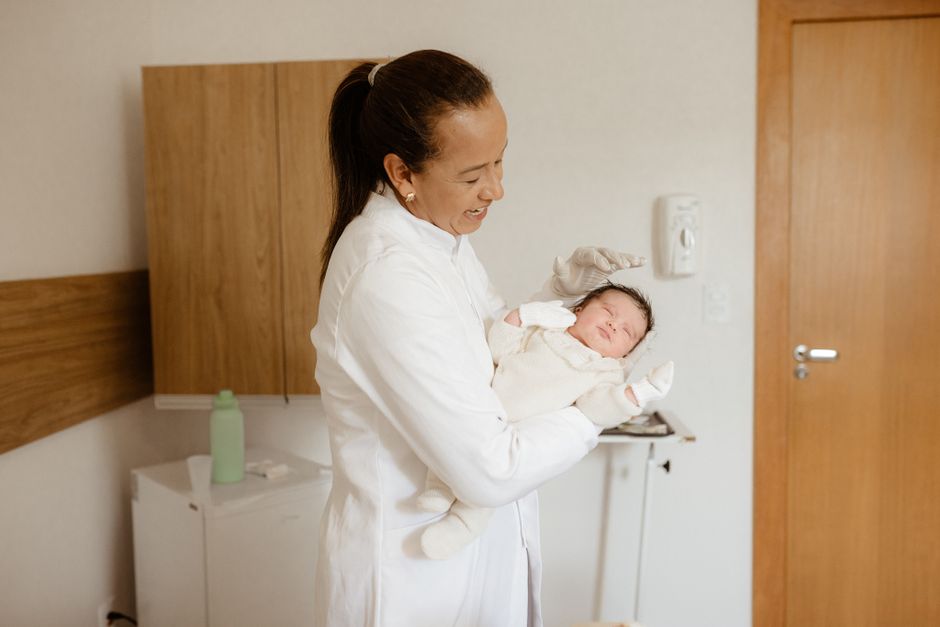
An obstetrician is a medical doctor who specializes in pregnancy, childbirth, and the postpartum period. They complete four years of medical school followed by four years of residency training in obstetrics and gynecology. Their role covers prenatal care, labor and delivery, and the health of the mother for several weeks after birth.
What Does an Obstetrician Actually Do?
Obstetricians manage the medical side of pregnancy. They track fetal development, monitor maternal health, and identify complications early. This includes routine blood work, ultrasound readings, and blood pressure checks at each visit.
During delivery, they handle labor complications, perform cesarean sections when needed, and manage emergency situations like postpartum hemorrhage. After birth, they monitor recovery and address issues like infection, excessive bleeding, or abnormal healing.
Many obstetricians are also gynecologists. This means they treat conditions of the female reproductive system outside of pregnancy, including menstrual disorders, fibroids, and pelvic pain. The combined specialty is commonly called OB/GYN.
What Is an Obstetrician’s Training and Certification?
Becoming an obstetrician takes at least eight years of education after college. Medical school covers general medicine. Residency focuses specifically on pregnancy, delivery, and women’s reproductive health.
During residency, obstetricians train in both routine and high-risk deliveries. They learn surgical skills for cesarean sections and other procedures. They also rotate through clinics, emergency rooms, and hospital labor units.
After residency, most obstetricians take a board exam through the American Board of Obstetrics and Gynecology. Board certification is voluntary but widely considered the standard for practice. It signals that the doctor has met established training requirements and passed a rigorous examination.
Some obstetricians pursue additional fellowship training in maternal-fetal medicine. These specialists handle high-risk pregnancies involving conditions like preeclampsia, gestational diabetes, or fetal abnormalities.
When Should You See an Obstetrician?
Most women see an obstetrician for their first prenatal visit around 8 to 10 weeks of pregnancy. This initial appointment confirms the pregnancy, establishes a due date, and screens for conditions that could affect the pregnancy.
After that, visits follow a standard schedule. In a typical low-risk pregnancy, appointments occur monthly until 28 weeks, then every two weeks until 36 weeks, then weekly until delivery. Your specific schedule may vary based on your health and risk factors.
You should also see an obstetrician before pregnancy if you have chronic conditions like diabetes, high blood pressure, or thyroid disease. A preconception visit helps optimize your health before conception.
If you are not pregnant but have symptoms like severe pelvic pain, abnormal bleeding, or suspected infection, an OB/GYN is the appropriate provider for evaluation.





Obstetrician vs. Midwife: What Is the Difference?
Obstetricians are physicians. They can perform surgery, prescribe medication, and manage medical complications. Midwives are trained professionals who focus on low-risk, uncomplicated pregnancies and deliveries.
Certified nurse-midwives hold nursing degrees plus midwifery training. They can prescribe some medications and deliver babies, but they do not perform cesarean sections. If a complication arises, they transfer care to an obstetrician.
Choosing between them depends on your health status and preferences. Low-risk women with a preference for minimal intervention often choose midwifery care. Women with existing medical conditions, prior complications, or a higher risk profile generally need obstetrician-led care.
Some practices combine both. A midwife provides prenatal care and delivery support, while an obstetrician remains available for consultation or surgical backup. This model offers the benefits of both approaches.
What Pregnancy Complications Do Obstetricians Manage?
Obstetricians are trained to recognize and treat a range of pregnancy complications. Some of the most common include:
- Gestational diabetes — high blood sugar that develops during pregnancy
- Preeclampsia — dangerously high blood pressure with protein in the urine
- Placenta previa — the placenta covering the cervical opening
- Preterm labor — labor starting before 37 weeks
- Fetal growth restriction — the baby measuring smaller than expected
- Breech presentation — the baby positioned feet or buttocks first
Management depends on the condition and its severity. Some issues resolve with monitoring and lifestyle changes. Others require medication, hospitalization, or early delivery.
Not every complication can be predicted. This is why regular prenatal visits matter. Blood pressure checks, urine tests, and fetal heart rate monitoring catch problems early, when they are most treatable.
What Happens During a Cesarean Section?
A cesarean section, or C-section, is surgery to deliver a baby through incisions in the abdomen and uterus. About 32 percent of births in the United States occur this way, according to data from the Centers for Disease Control and Prevention.
Some C-sections are planned in advance. Common reasons include breech presentation, placenta previa, or a prior C-section with certain incision types. Others are unplanned and performed when labor is not progressing safely or fetal distress develops.
The procedure typically takes 45 minutes to an hour. The mother receives regional anesthesia, usually an epidural or spinal block, so she remains awake but feels no pain. The obstetrician makes a horizontal incision low on the abdomen, delivers the baby, and closes the incision with sutures.
Recovery from a C-section takes longer than vaginal delivery. Hospital stay is typically two to four days. Full recovery takes six to eight weeks. During this time, lifting heavy objects and strenuous exercise are restricted.
How Do You Choose an Obstetrician?
Start by checking which obstetricians are covered by your insurance plan. Then consider hospital affiliation. If you have a preference for a specific hospital, your obstetrician must have privileges there.
Ask about their approach to labor. Some practices emphasize natural birth with minimal intervention. Others are more interventional. Neither is wrong, but you want a provider whose philosophy aligns with your preferences.
Consider practical factors too. Is the practice close to your home or workplace? How long is the average wait for appointments? Who covers deliveries when your primary obstetrician is off duty? In many practices, you will see multiple providers during prenatal care, and any of them might deliver your baby.
Ask about their C-section rate and how they handle unplanned complications. A good obstetrician will answer these questions directly and welcome your involvement in decision-making.
Frequently Asked Questions
What is the difference between an obstetrician and a gynecologist?
An obstetrician focuses on pregnancy, labor, and delivery. A gynecologist treats the female reproductive system outside of pregnancy, and most doctors are trained in both.
How often do you see an obstetrician during pregnancy?
In a low-risk pregnancy, visits occur monthly until 28 weeks, every two weeks until 36 weeks, and weekly until delivery. High-risk pregnancies require more frequent monitoring.
Can a midwife deliver my baby instead of an obstetrician?
Yes, certified nurse-midwives can deliver babies in low-risk pregnancies. If complications arise, they transfer care to an obstetrician who can perform surgery or manage medical emergencies.
When should I schedule my first prenatal appointment?
Most obstetricians recommend a first visit between 8 and 10 weeks of pregnancy. If you have chronic health conditions or a history of pregnancy complications, schedule earlier.
