
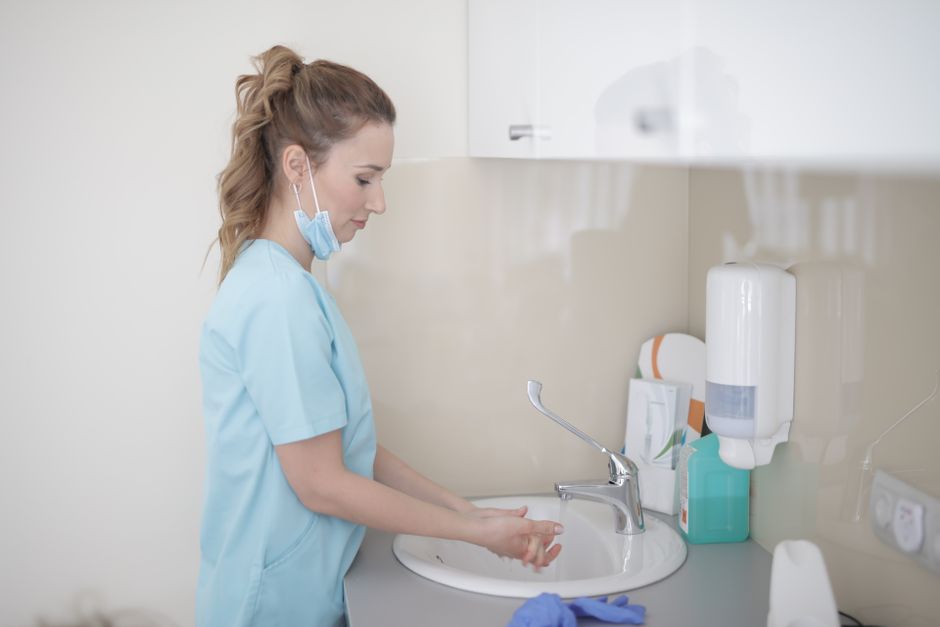
An infection control nurse is a registered nurse who specializes in preventing the spread of infections within healthcare facilities. Their primary duty is to identify, track, and stop outbreaks before they become widespread, protecting both patients and staff. According to the U.S. Bureau of Labor Statistics, registered nurses earn a median annual wage of $86,070, but infection control nurses typically earn more due to their specialized certification and experience.
What Does an Infection Control Nurse Do Every Day?
Infection control nurses work behind the scenes to keep hospitals and clinics safe. Their daily work involves monitoring infection rates, reviewing patient records, and investigating any unusual patterns of illness.
When a patient develops an infection after surgery or during a hospital stay, the infection control nurse investigates. They look at what happened, how it spread, and what can be done to prevent it from happening again. This work requires attention to detail and comfort with data.
They also observe healthcare workers directly. An infection control nurse might watch how staff wash their hands, put on gloves, or clean equipment. When they spot problems, they provide immediate feedback and additional training.
The job is part detective work, part teacher, and part policy maker. Infection control nurses develop the rules that hospitals follow for cleaning, isolation, and protective equipment. They update these rules whenever new evidence emerges.
What Are the Main Duties of an Infection Control Nurse?
Infection control nurses have a broad scope of responsibilities that go beyond basic patient care. Their core duties fall into several categories.
Surveillance and monitoring is the foundation of the role. Infection control nurses track healthcare-associated infections, which are infections patients develop while receiving treatment for something else. They collect data on surgical site infections, bloodstream infections, and catheter-related infections.
Outbreak investigation happens when infection rates spike above normal levels. The nurse identifies the source, contains the spread, and documents the response. This work often requires coordinating with local public health departments.
Policy development involves writing the infection prevention protocols that all staff must follow. These policies cover everything from hand hygiene to sterilization procedures. The nurse reviews them regularly and revises them based on new research.
Education and training is a constant responsibility. Infection control nurses teach new employees, refresh existing staff, and run drills for emergency scenarios like infectious disease outbreaks.
Consultation means being the go-to person when other healthcare workers have questions. A surgeon might ask about the best way to prevent a wound infection. A nurse might ask how long to isolate a patient with a contagious illness.
What Is the Salary for an Infection Control Nurse?
Infection control nurses earn more than the average registered nurse because of their specialized training and certification. The median annual wage for registered nurses is $86,070, according to the Bureau of Labor Statistics.
Infection control nurses with the Certification in Infection Prevention and Control, or CIC, typically earn a premium over that base. Most infection control nurses earn between $90,000 and $115,000 annually, though this range varies significantly by region and experience.
Several factors influence infection control nurse salary:
- Geographic location — hospitals in urban areas and states with higher costs of living pay more
- Years of experience — nurses with more than a decade in infection control earn at the higher end
- Facility type — large academic medical centers pay more than small community hospitals
- Certification status — holding the CIC credential increases earning potential
- Leadership roles — infection control directors and managers earn significantly more than staff-level nurses
Travel infection control nurses can earn higher hourly rates, but they do not receive the same benefits as permanent staff. Some facilities offer sign-on bonuses for experienced infection control nurses because the role is difficult to fill.





What Education and Certification Do You Need?
Becoming an infection control nurse begins with becoming a registered nurse. You need either an Associate Degree in Nursing or a Bachelor of Science in Nursing, followed by passing the NCLEX-RN exam to obtain your nursing license.
Most employers prefer candidates with a Bachelor of Science in Nursing. Many also require at least two years of clinical nursing experience before moving into infection control. Experience in critical care, medical-surgical nursing, or public health is particularly valuable.
The Certification in Infection Prevention and Control, or CIC, is the gold standard credential for this role. It is offered by the Certification Board of Infection Control and Epidemiology. To sit for the exam, you must have a healthcare background and relevant infection prevention experience.
The CIC exam covers the core areas of infection prevention: identification of infectious disease processes, surveillance and epidemiologic investigation, preventing and controlling the transmission of infectious agents, employee and occupational health, management and communication, education and research, and environment of care.
Certification is not legally required to work as an infection control nurse, but most employers expect it. The credential must be renewed every five years through continuing education or re-examination.
Is the Certification in Infection Prevention and Control Worth It?
The CIC credential signals to employers that you have mastered the core competencies of infection prevention. It is not a formality. The exam is rigorous and requires dedicated study.
Research consistently shows that certified infection preventionists are more effective at reducing healthcare-associated infections. Some studies indicate that facilities with certified infection control staff have lower rates of central line-associated bloodstream infections and surgical site infections.
The financial return is also clear. Certified nurses earn more than their non-certified peers. The certification pays for itself quickly when you consider the salary premium.
Beyond salary, the credential opens doors to leadership positions. Infection control directors, hospital epidemiologists, and public health consultants typically require the CIC.
Where Do Infection Control Nurses Work?
Hospitals employ the majority of infection control nurses, but this is far from the only setting. The skills of an infection control nurse are needed in any environment where infections can spread.
Acute care hospitals are the primary employer. Infection control nurses work in every department, from the emergency room to the operating room to the intensive care unit.
Long-term care facilities including nursing homes and rehabilitation centers employ infection control nurses to protect vulnerable elderly residents. These facilities have been under increased scrutiny since the COVID-19 pandemic highlighted the devastating impact of outbreaks in these settings.
Outpatient clinics and ambulatory surgery centers need infection control oversight even though patients stay for shorter periods.
Public health departments hire infection control nurses to track communicable diseases across entire communities. They work on tuberculosis control, vaccine-preventable diseases, and foodborne illness investigations.
Government agencies including the Centers for Disease Control and Prevention and state health departments employ infection control nurses for research, policy, and emergency response.
Consulting firms hire experienced infection control nurses to audit healthcare facilities and help them improve their infection prevention programs.
What Is the Job Outlook for Infection Control Nurses?
The job outlook for infection control nurses is strong. The Bureau of Labor Statistics projects that employment of registered nurses will grow 6 percent from 2023 to 2033, faster than the average for all occupations.
Infection control is growing even faster than nursing overall. The COVID-19 pandemic permanently raised the profile of infection prevention. Hospitals now invest more in these programs than they did before 2020.
Several factors drive this demand. An aging population requires more hospital care, which means more opportunities for infections to spread. Antibiotic-resistant bacteria continue to emerge, requiring constant vigilance. Regulatory bodies now require more robust infection prevention programs.
The Centers for Medicare and Medicaid Services ties hospital reimbursement to infection rates. Hospitals that fail to control infections lose money. This financial incentive ensures that infection control positions remain well funded.
What Skills Make a Successful Infection Control Nurse?
Clinical knowledge is only part of what makes an effective infection control nurse. The role demands a specific combination of skills that go beyond traditional nursing.
Analytical thinking is essential. Infection control nurses spend hours reviewing data, looking for patterns, and interpreting statistics. If you dislike numbers, this role will be challenging.
Communication skills matter because the job requires persuading busy healthcare workers to change their behavior. You must explain complex concepts simply and firmly without creating defensiveness.
Attention to detail separates good infection control nurses from great ones. A single missed hand wash or improperly sterilized instrument can cause an outbreak.
Persistence is necessary because changing behavior takes time. You will teach the same hand hygiene lesson repeatedly and still catch staff skipping steps. The job requires patience and consistency.
Diplomacy matters when you must tell a surgeon that their technique may have contributed to a patient infection. These conversations require tact and professional courage.
Frequently Asked Questions
How long does it take to become an infection control nurse?
It typically takes four to six years. You need a nursing degree, two to three years of clinical experience, and then time to gain infection prevention experience before sitting for the CIC exam.
Do infection control nurses work directly with patients?
Less than bedside nurses, but they do interact with patients during outbreak investigations and when implementing isolation precautions. Their primary focus is on systems and processes rather than direct patient care.
What is the difference between an infection control nurse and an epidemiologist?
Infection control nurses are registered nurses who focus on preventing infections within healthcare facilities. Epidemiologists study disease patterns in populations and may not have clinical training. Some infection control nurses work alongside hospital epidemiologists.
Is the CIC certification exam difficult to pass?
The exam is challenging and requires dedicated study. Most candidates prepare for several months using review courses and study guides. The pass rate varies by year, but candidates with formal infection prevention experience have the highest success rates.
