
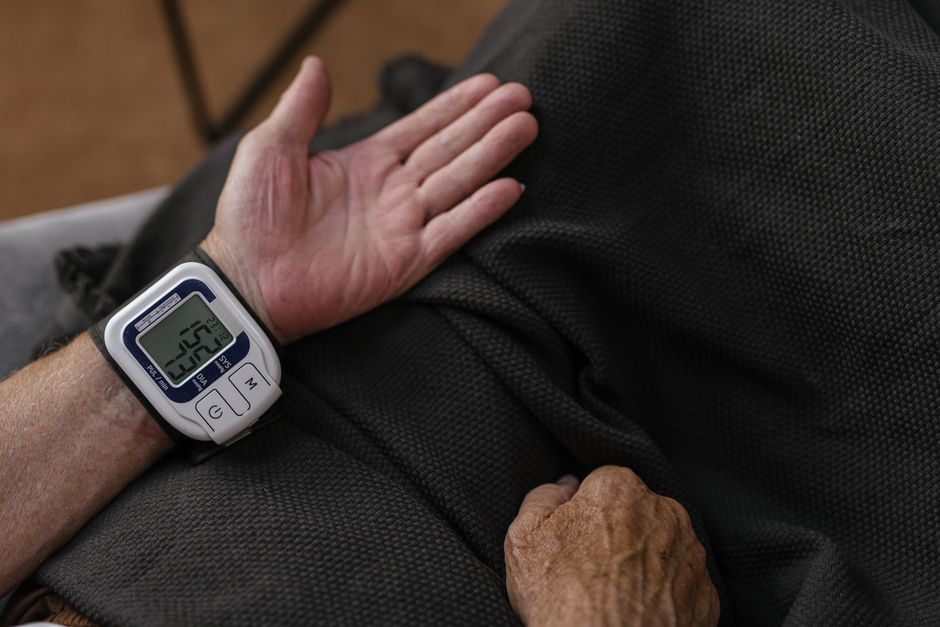
An eye care monitor is a device or software tool that tracks changes in your eyes or vision over time, usually by measuring things like blink rate, screen distance, light exposure, or retinal health. These tools range from free phone apps that remind you to look away from your screen, to clinical instruments that photograph the back of your eye. What they share is a single purpose: catching problems early, when they are easiest to manage.
Understanding what each feature actually does — and what it cannot do — matters. Some features rest on solid clinical evidence. Others are marketing additions with little behind them. This guide separates the two.
What Is An Eye Care Monitor Features Explained?
An eye care monitor is any system designed to observe, record, or alert you to changes in eye health or visual behavior. The category splits into three broad groups, and they are not interchangeable.
- Consumer screen apps track how long you stare at a screen, how close you sit, and how often you blink. They run on phones, tablets, and computers.
- Wearable sensors sit in glasses or headbands and measure blink rate, eye strain, or ambient light exposure.
- Clinical diagnostic devices live in eye clinics. They photograph the retina, measure eye pressure, or map your visual field.
The features you see advertised usually fall into one of these buckets. Knowing which bucket a product belongs to tells you a great deal about how much to trust it.
What Features Do Most Eye Care Monitors Actually Include?
Most consumer eye care monitors build their feature list around a handful of core functions. Screen time tracking is nearly universal. So is a reminder system that prompts you to look away at set intervals.
Distance monitoring uses your device camera to estimate how far your face sits from the screen. Blink detection uses the same camera to count how often you blink. Ambient light sensors measure how bright your surroundings are.
Clinical devices work differently. A fundus camera takes a photograph of the retina. A tonometer measures the pressure inside your eye. An optical coherence tomography (OCT) scanner produces cross-sectional images of the retina and optic nerve.
These clinical features exist because certain eye diseases — glaucoma, diabetic retinopathy, macular degeneration — can progress for years without obvious symptoms. Imaging and pressure measurement are how clinicians detect them before vision loss occurs.
How Do Blink Rate and Screen Distance Features Work?
Blink detection works by watching your face through a camera and counting the moments your eyelids close. The concept rests on a real physiological fact: blinking spreads tears across the surface of your eye, and people tend to blink less often when concentrating on a screen.
Reduced blinking is one factor linked to dry eye symptoms during screen use. That link is well documented. What is less clear is whether a reminder app meaningfully changes long-term eye health. Some studies suggest short-term symptom relief. Large trials showing prevention of chronic dry eye disease are lacking.
Distance monitoring estimates the gap between your eyes and the screen. Holding a screen very close forces the focusing muscles inside your eye to work harder. That is a real mechanism. Whether an alert that tells you to move back produces lasting benefit has not been firmly established.
One clarification worth making: the idea that screen use permanently damages the eye’s focusing system is not supported by strong evidence. The discomfort people feel — soreness, tiredness, dryness — is real but generally temporary.




What Can Clinical Eye Monitors Detect That Consumer Apps Cannot?
Clinical eye monitors detect disease. Consumer apps detect habits. That gap is the single most important thing to understand about this product category.
Retinal imaging can reveal signs of diabetic retinopathy, a complication of diabetes that damages blood vessels in the retina. It can show macular degeneration, which affects the central part of the retina responsible for sharp vision. It can capture the optic nerve cupping that sometimes signals glaucoma.
Eye pressure measurement matters because elevated intraocular pressure is a major risk factor for glaucoma. Normal eye pressure is generally considered to fall between 10 and 21 mmHg, though glaucoma can occur within that range and higher pressures do not always mean glaucoma is present.
No consumer app can measure eye pressure. No phone camera can photograph your retina in a way that a clinician would use for diagnosis. That is not a limitation of current technology that a software update will fix. It reflects what those tools physically are.
Are Eye Care Monitor Features Accurate and Reliable?
Accuracy varies enormously by feature and by device. This is where marketing language and clinical reality often diverge.
Consumer blink detection is approximate. Camera-based systems can be confused by lighting, glasses, and head position. Treat the numbers as rough trends, not measurements.
Clinical devices are held to different standards. Devices used to diagnose or monitor disease generally require regulatory clearance, and their accuracy is tested against established reference methods. That does not make them perfect, but it means the numbers carry real weight.
Be cautious with any consumer product that claims to detect or diagnose a specific eye disease. No clinical evidence currently confirms that phone-based apps can diagnose glaucoma, macular degeneration, or retinopathy on their own. A few research groups are exploring this, and results are mixed. It is not standard care.
Do Eye Care Monitors Actually Prevent Vision Problems?
For clinical devices, the answer is yes — with an important qualifier. Screening and monitoring programs detect disease earlier, and earlier treatment generally leads to better outcomes for conditions like diabetic retinopathy and glaucoma. That is well established.
The device itself does not prevent anything. It enables a clinician to act sooner. The benefit comes from the treatment that follows detection.
For consumer apps, the evidence is much thinner. Reminders to take breaks and blink more may reduce short-term discomfort. Whether they prevent any long-term vision problem has not been demonstrated in large trials. It would be inaccurate to claim otherwise.
There is a reasonable middle position. Taking regular breaks from screens is low-cost and low-risk. If an app helps you do that, it is doing something useful. Just do not mistake it for disease prevention.
What Should You Look For in an Eye Care Monitor?
What matters depends entirely on why you are looking. Someone with diabetes has different needs than someone who gets headaches after long workdays.
For general screen comfort, look for a simple break reminder and basic blink awareness. These features are easy to understand and carry little risk. Ignore claims about disease detection.
For diagnosed eye conditions, the relevant monitoring happens in a clinic. Ask your eye care professional which tests you need and how often. Devices marketed directly to consumers are not a substitute for that.
For anyone over 40, or anyone with a family history of glaucoma or macular degeneration, regular dilated eye exams matter more than any app. Many serious eye diseases have no early symptoms. An exam is how they get found.
A comparison of what each type of monitor can and cannot do helps clarify the picture:
| Feature | Consumer App | Clinical Device |
|---|---|---|
| Screen time tracking | Yes | Not applicable |
| Blink reminders | Yes, approximate | Not applicable |
| Retinal imaging | No | Yes |
| Eye pressure measurement | No | Yes |
| Disease diagnosis | No | Yes, with clinician review |
Are There Risks or Downsides to Using These Monitors?
The risks are mostly indirect. The clearest one is false reassurance. If someone believes an app is monitoring their eye health, they may skip the dilated exam that would actually catch a problem.
A second risk is unnecessary anxiety. A blink counter that reports a low number might worry someone who has no actual eye problem. Blink rate varies naturally with attention, lighting, and fatigue.
Privacy deserves a mention. Camera-based monitoring means a device is watching your face. How that data is stored and used varies by product, and not all companies are transparent about it.
For clinical devices, the main consideration is that no test is perfect. Screening tools can produce false positives, which lead to follow-up testing, and false negatives, which miss disease. This is why clinical judgment accompanies the technology rather than being replaced by it.
Frequently Asked Questions
Can a phone app really check my eye health?
No. Phone apps can track screen habits like blink rate and viewing distance, but they cannot measure eye pressure or image the retina. No clinical evidence currently confirms that consumer apps can diagnose eye disease.
How often should I get a professional eye exam?
Guidelines vary by age, risk factors, and existing conditions, so the right interval is best set by your eye care professional. Adults with diabetes or a family history of glaucoma often need more frequent exams.
Does blinking less during screen use damage my eyes?
Reduced blinking during screen use is linked to dry eye symptoms, but the discomfort is generally temporary rather than permanent damage. Regular breaks can help reduce symptoms.
What is a normal eye pressure reading?
Normal intraocular pressure is generally considered to fall between 10 and 21 mmHg. Glaucoma can still occur within that range, which is why pressure alone does not determine a diagnosis.
