
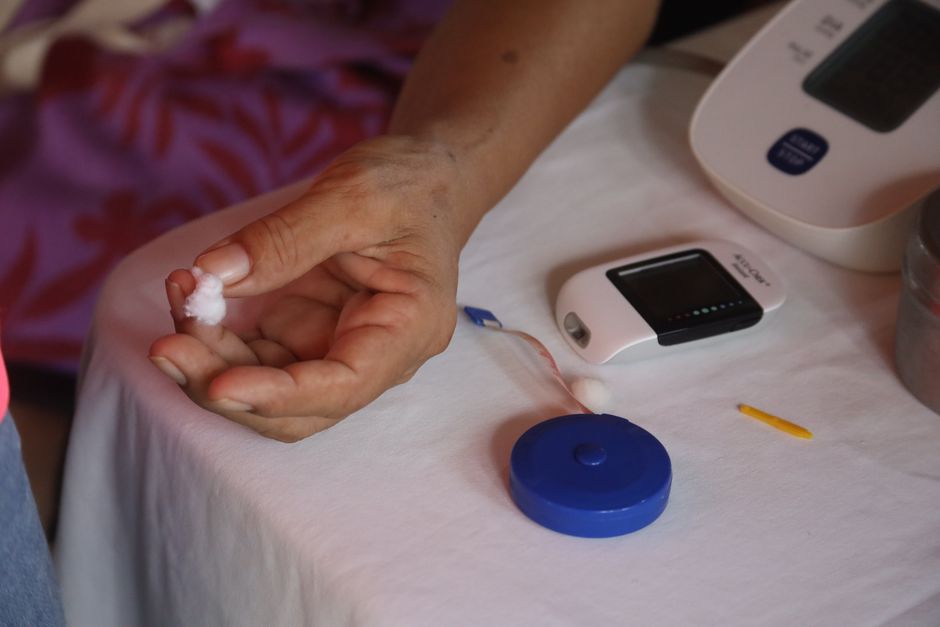
An egg medical test is a blood test that checks a woman’s ovarian reserve — the number and quality of eggs she has left. The two most common tests are Anti-Müllerian Hormone (AMH) and Follicle-Stimulating Hormone (FSH), often done alongside an antral follicle count (AFC) ultrasound. These tests help estimate fertility potential, guide decisions about egg freezing, and inform IVF treatment plans.
What Is An Egg Medical Test And Which Do You Need?
Egg medical tests measure ovarian reserve. That is a snapshot of how many eggs remain in the ovaries at a given moment. They do not predict when you will run out of eggs. They do not measure egg quality directly. They give a number that helps doctors estimate how your ovaries will respond to fertility treatment.
The three main tests are AMH, FSH, and AFC. Each measures a different part of ovarian function. Many doctors order them together for a fuller picture.
What Does The AMH Blood Test Measure?
AMH is a hormone produced by small follicles in the ovaries. These follicles contain immature eggs. The more follicles you have, the higher your AMH level tends to be. AMH is considered the most reliable single blood test for ovarian reserve.
AMH levels can be checked any day of your menstrual cycle. No fasting is required. The test is stable across cycles, which makes it convenient. Levels decline naturally with age, and they drop more sharply after age 35.
AMH does not tell you about egg quality. A woman with a normal AMH can still have poor-quality eggs, especially at older ages. Conversely, a low AMH does not mean you cannot conceive naturally. It mainly predicts how many eggs might be retrieved during IVF.
What Does The FSH Blood Test Measure?
FSH is a hormone produced by the pituitary gland in the brain. It signals the ovaries to grow follicles each month. When ovarian reserve is low, the ovaries respond less to FSH, and the brain compensates by producing more of it. So a high FSH level suggests lower ovarian reserve.
FSH is typically measured on day 3 of the menstrual cycle. This timing matters. Testing on other days gives less reliable results. Normal day-3 FSH levels are generally below 10 mIU/mL. Levels above 10 to 15 may suggest diminished reserve, though exact thresholds vary by laboratory.
FSH is less sensitive than AMH for detecting early declines in ovarian reserve. AMH changes earlier and more predictably. FSH tends to rise only after reserve has already dropped considerably.





What Is An Antral Follicle Count?
An antral follicle count is an ultrasound test. A doctor counts the small follicles, typically 2 to 10 millimeters in size, visible in both ovaries early in your cycle. These follicles are the ones that could potentially mature and ovulate in the current cycle.
AFC is a direct visual measure of the remaining egg pool. It correlates well with AMH. A low AFC suggests reduced ovarian reserve. A high AFC — generally above 20 total — may indicate polycystic ovary syndrome, which affects fertility in other ways.
AFC requires a transvaginal ultrasound, usually performed on day 2 to 4 of your cycle. The count can vary slightly between cycles and between ultrasound technicians. This test is not a blood test, but it is commonly grouped with egg medical testing because it measures the same thing from a different angle.
Which Egg Test Should You Get?
The answer depends on why you are testing. There is no single test that fits every situation.
If you are considering egg freezing, AMH and AFC together give the most useful information. They help predict how many eggs you might retrieve. This matters because egg freezing success depends partly on how many eggs are frozen.
If you are trying to conceive and have been unsuccessful for a year or more, your doctor may order day-3 FSH and estradiol along with AMH. This combination helps assess whether diminished ovarian reserve might be contributing to difficulty conceiving.
If you simply want to know where you stand reproductively, AMH is the most practical starting point. It is a single blood test with no timing restrictions. But understand what it can and cannot tell you.
No egg test predicts natural fertility with certainty. Many women with low AMH conceive without help. Many women with normal AMH struggle with infertility. These tests measure quantity, not the functional quality of individual eggs.
What Do Egg Test Results Mean?
AMH results are reported in nanograms per milliliter (ng/mL) or picomoles per liter (pmol/L). To convert, multiply ng/mL by 7.14 to get pmol/L.
General reference ranges for AMH vary by age and laboratory. As a rough guide:
- High: Above 4.0 ng/mL — suggests good reserve, possibly PCOS
- Normal: 1.0 to 4.0 ng/mL — expected for most women in their 20s and 30s
- Low: 0.3 to 1.0 ng/mL — reduced reserve
- Very low: Below 0.3 ng/mL — severely diminished reserve
These ranges are not strict diagnostic cutoffs. A 25-year-old with AMH of 1.5 ng/mL may have normal reserve for her age. A 42-year-old with the same level may be doing well for hers. Age is always part of the interpretation.
FSH results above 10 mIU/mL on day 3 are often considered elevated. Levels above 15 to 20 mIU/mL suggest significantly reduced reserve. Some clinics use FSH above 12 as a cutoff for recommending against certain IVF protocols, though practices vary.
Can Egg Tests Predict Menopause?
Some research suggests that very low AMH levels are associated with earlier menopause. But the predictive accuracy is not strong enough for clinical use. Doctors cannot tell you the exact year you will reach menopause based on an AMH level.
What is known is that AMH declines steadily with age. It reaches undetectable levels around menopause. But the timing of that decline varies widely between women. Two women of the same age can have very different AMH levels and still both be within normal range.
What Egg Tests Cannot Tell You
Egg tests do not measure egg quality. Egg quality is largely determined by age. A 38-year-old woman’s eggs are, on average, of lower genetic quality than a 28-year-old woman’s eggs, regardless of AMH or FSH levels.
Egg tests do not diagnose infertility. A low AMH does not mean you are infertile. It means your ovarian reserve is reduced. Many women with low AMH conceive naturally. Infertility is defined as not conceiving after 12 months of regular unprotected intercourse, regardless of test results.
Egg tests do not tell you if you can have a baby. They only estimate quantity. Live birth depends on many factors, including egg quality, sperm quality, uterine health, and overall health. None of these are measured by an egg test.
There is no evidence that any lifestyle change, supplement, or diet can increase AMH or restore ovarian reserve. Some clinics market supplements claiming to improve egg quality. No large human trials have confirmed these products work. The number of eggs you have is largely fixed by birth and declines with age.
How Accurate Are Home Egg Tests?
Several companies sell at-home AMH tests. You prick your finger, collect a small blood sample, and mail it to a laboratory. Results come back in days.
These tests measure AMH accurately when performed correctly. The concern is not the laboratory analysis. It is what you do with the result. A home test gives you a number without a doctor’s interpretation. You may not know how your level compares to others your age, or what the result means for your specific situation.
Some at-home tests also measure FSH from a finger-prick sample. FSH testing requires cycle-day timing, which adds complexity. You need to know when day 3 of your cycle is and collect the sample on that day.
A home test can be a reasonable starting point if you are curious about your fertility status. But if you are making decisions about egg freezing, IVF, or family planning, discuss the results with a reproductive endocrinologist. A single number without context can cause unnecessary worry or false reassurance.
When Should You Consider Egg Testing?
Consider testing if you are 35 or older and planning to delay childbearing. Age-related decline in fertility accelerates after 35. Knowing your ovarian reserve can inform whether egg freezing is worth considering now.
Consider testing if you have a family history of early menopause. If your mother or sisters reached menopause before age 40, your own reserve may decline earlier. Testing can provide useful information.
Consider testing if you have had ovarian surgery, chemotherapy, or radiation. These treatments can reduce ovarian reserve. Knowing your post-treatment AMH helps you understand your fertility options.
Consider testing if you have been trying to conceive for 12 months without success, or 6 months if you are over 35. Current guidelines recommend infertility evaluation after these timeframes. Ovarian reserve testing is part of that evaluation.
Frequently Asked Questions
What is the best age to get an egg test?
There is no single best age, but testing is most useful between ages 30 and 40 when fertility decisions become time-sensitive. Testing before age 30 rarely changes clinical management because reserve is typically adequate.
Can I take an AMH test while on birth control?
Yes, oral contraceptives do not significantly affect AMH levels. However, some research indicates that long-term birth control use may slightly lower AMH, so discuss your specific situation with your doctor.
How much does an egg medical test cost?
AMH testing typically costs between $50 and $150 without insurance. FSH testing costs less, around $30 to $60. An AFC ultrasound adds another $200 to $500 depending on the facility.
Do I need to fast before an egg test?
No fasting is required for AMH or FSH blood tests. AMH can be drawn any day of your cycle, while FSH must be drawn on day 3 for accurate interpretation.
