
An aphrodisiac food is any food or drink people believe increases sexual desire, arousal, or performance. The idea is ancient — it shows up in Roman feasts, Chinese medicine, and modern wellness blogs alike. But when researchers actually test these foods in controlled studies, the results are mostly disappointing. No ordinary food has been proven to raise libido in humans.
That does not mean food and sex have nothing to do with each other. Certain nutrients support blood flow, hormone production, and energy levels — all of which matter for sexual function. The gap is between keeping your body working and actively turning desire up. Those are different things, and the marketing around aphrodisiac foods blurs them constantly.
Where Did The Idea Of Aphrodisiac Foods Come From?
The word comes from Aphrodite, the Greek goddess of love. Cultures around the world independently developed lists of foods thought to stir desire, and those lists often had more to do with symbolism than biology.
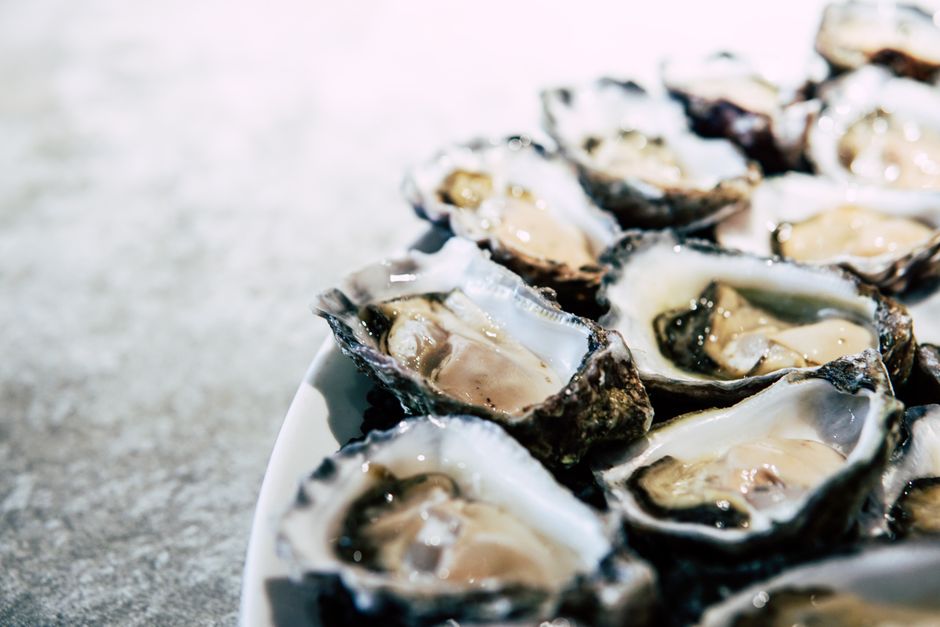
Foods resembling genitalia made the cut — oysters, figs, bananas, asparagus. So did rare and expensive items, because if a food cost a fortune, eating it felt powerful and special. Animals known for mating frequently, like deer and sparrows, contributed their meat and organs to the list. In traditional Chinese medicine, certain foods were classified as “yang” or warming, believed to build sexual energy.
None of this came from observation of what actually happened in people’s bodies. It came from resemblance, folklore, and status. That history explains why the same handful of foods — oysters, chocolate, chili peppers, truffles — keep appearing on modern lists. The lists were copied forward, not tested.
What Is An Aphrodisiac Food And Does It Really Work?
An aphrodisiac food is defined by belief and tradition, not by demonstrated effect. When scientists have put these foods to the test, the evidence for a direct boost in sexual desire is weak or absent.
Take oysters, the most famous example. They are rich in zinc, and zinc does matter for testosterone production. But a zinc supplement does not raise testosterone in men who already get enough zinc from food, and low zinc is uncommon in people eating a typical mixed diet. The aphrodisiac reputation of oysters rests on their zinc content plus their shape and price — not on trials showing they increase desire.
Chocolate gets similar treatment. It contains phenylethylamine, a compound related to amphetamines, and small amounts of other mood-related chemicals. The problem is quantity and breakdown. The levels in chocolate are far too low to produce a drug-like effect, and your body breaks phenylethylamine down quickly before it reaches the brain in any meaningful amount. Chocolate tastes good and feels indulgent. That is a real experience. It is not a pharmacological aphrodisiac.
This pattern repeats across the category. A food contains a compound that plays some role in circulation, hormones, or mood. The food gets labeled an aphrodisiac. The step where eating it actually changes sexual desire or function in a living person never gets demonstrated.
Do Any Foods Have Real Evidence Behind Them?
A few foods have been studied more seriously, though the evidence remains limited and mixed. It is worth being precise about what has and has not been shown.
Some research suggests certain foods may support aspects of sexual function indirectly, mainly through cardiovascular and metabolic health. Since erection depends on healthy blood flow, anything that protects blood vessels could plausibly help erectile function. But “plausibly” is doing a lot of work in that sentence, and mechanism is not the same as proven benefit.
Here is what the evidence actually looks like:
- Watermelon contains citrulline, which the body can convert to arginine, a precursor to nitric oxide. Nitric oxide helps blood vessels relax. Some small studies have looked at citrulline for erectile function, but the amounts in watermelon are low, and results are not strong enough to call watermelon a treatment.
- Pomegranate has been studied for erectile function in small trials, with some positive signals. The studies are small, and larger confirmations are lacking.
- Dark chocolate and cocoa contain flavonoids that support blood vessel function in general. Whether that translates to better sexual function specifically is not established.
- Ginseng has been studied for erectile dysfunction with mixed results. Some trials show benefit, others do not, and study quality varies.
- Saffron has been examined in a few small trials for sexual function and antidepressant-related sexual side effects. The evidence is early and not definitive.
Notice the pattern. These are small studies, often with weak designs, and the findings do not line up consistently. That is not the same as proof. It is a signal that a few compounds deserve more research — not a green light to treat any food as a reliable sexual enhancer.



Why Do People Swear Certain Foods Work For Them?
The experience is real even when the food is not doing what people think. Several well-understood effects explain why a fancy meal can genuinely change how someone feels.
Expectation is powerful. If you believe a food will boost desire, you may feel more relaxed, more attentive, and more open to intimacy. That is a placebo effect, and placebo effects on subjective feelings like desire are well documented. The belief shapes the experience.
Setting matters too. Aphrodisiac foods tend to be served in romantic contexts — candlelight, a nice restaurant, a shared dessert. The ritual and the company can raise arousal far more than the food itself.
Some foods also produce genuine physical sensations that get misread as desire. Chili peppers trigger warmth and a racing pulse. Alcohol lowers inhibitions and can make people feel more interested in sex, even though it actually impairs sexual performance and arousal at higher doses. The feeling of arousal and the capacity for arousal are not the same thing.
Finally, certain foods support the body systems that sex depends on. A person who is well-fed, rested, and metabolically healthy will generally have more energy and better circulation than someone who is not. That is not the food acting as an aphrodisiac. It is the food keeping the machinery running.
What Actually Affects Sexual Desire?
Sexual desire is driven by a mix of hormones, brain chemistry, physical health, and emotional state. Food plays a supporting role at best. The bigger levers are well established.
Testosterone matters for desire in both men and women, though the relationship is not simple and varies by individual. Estrogen and progesterone influence desire in women, and desire often shifts across the menstrual cycle. Neurotransmitters like dopamine and serotonin shape motivation and mood, which feed directly into libido.
Then there is everything else. Chronic stress raises cortisol and can suppress desire. Sleep loss does the same. Untreated depression, anxiety, and relationship strain are among the most common reasons people lose interest in sex. Certain medications, including many antidepressants, are well known to reduce libido and sexual function. So are conditions like diabetes, cardiovascular disease, and thyroid disorders.
This is the part the aphrodisiac conversation tends to skip. If someone has lost their sex drive, the cause is far more likely to be a medication, a health condition, stress, sleep, or the relationship than a missing food. Chasing oysters and chocolate while ignoring those factors misses the actual problem.
Can Diet Support Sexual Health At All?
Diet can support the systems that sexual function depends on, even if it does not act as a switch for desire. The clearest connection is through cardiovascular health, because healthy blood flow is essential for arousal and erection.
Eating patterns linked to better heart health — plenty of vegetables, fruit, whole grains, legumes, nuts, and fish, with less processed food and added sugar — tend to be linked to better erectile and vascular function in observational studies. This is a general association, not proof that any single food improves sex. But it is the most defensible dietary angle available.
Specific nutrients matter for the body’s hormone and energy systems. Zinc and vitamin D are involved in testosterone metabolism. Iron and B vitamins support energy. Protein and healthy fats support hormone production. Deficiencies in these can cause problems, but correcting a deficiency is different from taking extra when you are already sufficient. For most people eating a varied diet, adding more of these nutrients does not raise libido.
The honest summary: a nutritious diet helps you feel better and supports the biology sex relies on. It will not transform your desire. Anyone promising otherwise is selling something.
What About Supplements Marketed As Aphrodisiacs?
The supplement aisle is where aphrodisiac claims get their boldest. Products promise to boost libido, testosterone, and performance, usually with a blend of herbs and extracts. The evidence behind most of these is thin.
A few ingredients have been studied — ginseng, saffron, maca, and others — but the trials are often small, short, and inconsistent. Results vary from study to study, which is a sign that any real effect is modest or unreliable. Some products also carry real risk. Supplements are not held to the same safety and purity standards as medications, and some have been found to contain undisclosed ingredients, including prescription drugs in the case of certain sexual enhancement products sold online.
If you are considering a supplement for sexual health, that is a conversation to have with a clinician, especially if you take other medications. Some herbal ingredients can interact with drugs, including blood thinners and antidepressants. No supplement is a proven cure for low libido.
Frequently Asked Questions
Do aphrodisiac foods actually increase sex drive?
No food has been proven to directly increase sexual desire in controlled human studies. The reputation of most aphrodisiac foods comes from tradition, symbolism, and expectation rather than demonstrated effect.
Is chocolate really an aphrodisiac?
Chocolate contains compounds like phenylethylamine, but the amounts are far too low to produce a drug-like effect, and the body breaks them down quickly. The pleasant, indulgent feeling of eating chocolate is real, but it is not a proven boost to desire.
Can diet improve sexual health?
A nutritious diet supports cardiovascular health and blood flow, which matter for sexual function, and it helps you feel better overall. It does not act as a switch for libido, and no single food has been shown to raise desire.
Are aphrodisiac supplements safe and effective?
Most have weak or inconsistent evidence, and supplements are not held to the same safety standards as medications. Some sexual enhancement products have been found to contain undisclosed prescription drugs, so talk to a clinician before using one.
