
Biological hazards are living organisms or substances produced by living things that can harm human health. They include bacteria, viruses, fungi, parasites, and toxins found in nature or in workplaces like hospitals, farms, and laboratories. These hazards can cause infections, allergic reactions, or poisoning depending on the type of organism and how a person is exposed.
What Is Biological Hazards Examples? Definition
A biological hazard—often called a biohazard—is any biological material that poses a threat to the health of living organisms, primarily humans. The definition covers microorganisms, viruses, toxins, and other biological matter that can cause disease or illness. The most common sources are blood, bodily fluids, animal waste, contaminated food, and medical waste.
Biological hazards are different from chemical or physical hazards because they are alive or come from living things. They can multiply, mutate, and spread from person to person. Some survive for long periods on surfaces, while others die quickly outside a host. Understanding which biological hazards exist in a given environment is the first step in preventing exposure.
What Are the Main Types of Biological Hazards?
Biological hazards fall into several categories based on the type of organism involved. Each type behaves differently and requires different prevention methods.
- Bacteria are single-celled organisms that can cause infections like strep throat, tuberculosis, and food poisoning. Many bacteria are harmless or even helpful, but pathogenic strains cause disease.
- Viruses are tiny infectious agents that need a living host to reproduce. Influenza, HIV, hepatitis, and COVID-19 are all viral biological hazards.
- Fungi include molds, yeasts, and mushrooms. Some cause skin infections like athlete’s foot, while others produce toxins that affect the lungs or immune system.
- Parasites are organisms that live on or inside a host. Malaria, giardia, and tapeworms are examples of parasitic infections.
- Biological toxins are poisonous substances produced by living things. Snake venom, botulinum toxin, and certain mushroom toxins fall into this category.
- Prions are misfolded proteins that cause rare, progressive brain diseases. They are not alive but are considered biological hazards because they come from living tissue.
Each category carries different risks. A virus spreads differently than a toxin, and the treatment for a bacterial infection differs completely from treatment for a parasitic one. Knowing the type of hazard matters for prevention and response.
Where Are Biological Hazards Most Commonly Found?
Biological hazards exist everywhere, but certain settings carry higher risk. Healthcare facilities are obvious examples. Hospitals handle blood, needles, and bodily fluids daily, putting workers at risk of hepatitis B, HIV, and other bloodborne pathogens.
Agriculture and food production also present significant exposure risks. Farm workers come into contact with animal waste, pesticides, and zoonotic diseases—illnesses that pass from animals to humans. Food processing plants can spread bacteria like Salmonella and E. coli if sanitation fails.
Laboratories that research infectious diseases follow strict containment protocols. Yet even with safety measures, lab workers face higher exposure risk than the general public. Research settings handle concentrated samples of dangerous organisms that most people never encounter.
Water treatment facilities, waste management sites, and funeral homes also present biological hazards. Any environment where human or animal waste accumulates can harbor dangerous organisms. Even office buildings can develop mold problems that trigger allergic reactions and respiratory symptoms in sensitive people.
Outside of work, everyday environments contain biological hazards. Raw meat in home kitchens, untreated water while camping, and soil contaminated with animal feces all carry risk. Most healthy people fight off these exposures without serious illness, but vulnerable populations—the elderly, young children, pregnant women, and people with weakened immune systems—face greater danger.




How Do Biological Hazards Enter the Body?
Biological hazards cause harm only when they enter the body. The route of entry determines both the risk level and the type of illness that results.
Inhalation is one of the most common routes. Viruses like influenza spread through airborne droplets when an infected person coughs or sneezes. Mold spores and dust containing animal dander can also be inhaled, triggering allergic reactions or lung infections.
Ingestion occurs when contaminated food or water is consumed. Bacterial food poisoning from undercooked meat or unwashed produce is a classic example. Hand-to-mouth contact after touching contaminated surfaces also counts as ingestion.
Direct contact with infected skin, blood, or bodily fluids allows pathogens to enter through cuts, abrasions, or mucous membranes. Healthcare workers face this risk daily when handling needles or treating wounds. Sexually transmitted infections pass through direct mucous membrane contact.
Needlestick injuries deserve special mention because they bypass the body’s natural defenses entirely. A needle contaminated with bloodborne pathogens delivers organisms directly into the bloodstream. This route requires the smallest exposure to cause infection.
What Are the Health Effects of Biological Hazard Exposure?
Health effects range from mild to life-threatening depending on the organism, the exposure route, and the person’s immune status. Some people show no symptoms at all while carrying an infection. Others become severely ill within hours.
Infectious diseases are the most obvious outcome. Symptoms vary widely—fever, fatigue, nausea, diarrhea, respiratory distress, or skin lesions. The incubation period also varies. Some infections appear within hours, while others take weeks or months to produce symptoms. HIV can remain asymptomatic for years.
Allergic reactions are another possible outcome. Mold spores, animal proteins, and certain enzymes from bacteria trigger immune responses in sensitive individuals. These reactions range from mild hay fever symptoms to severe asthma attacks.
Toxic effects occur when biological toxins enter the body. Botulinum toxin causes paralysis. Certain mushroom toxins damage the liver. Some molds produce mycotoxins that suppress the immune system or act as carcinogens over long-term exposure.
Long-term consequences matter too. Some infections cause chronic disease. Hepatitis B and C can lead to liver cirrhosis or cancer years after initial infection. Certain parasites cause lasting organ damage. Repeated exposure to biological hazards in the workplace can cause occupational lung diseases like farmer’s lung or hypersensitivity pneumonitis.
How Are Biological Hazards Classified by Risk Level?
Regulatory agencies classify biological agents into risk groups based on how dangerous they are. This classification system helps laboratories and workplaces determine appropriate safety measures.
Risk Group 1 contains agents unlikely to cause human disease. These are common in the environment and pose minimal threat to healthy people. E. coli strains found in normal gut flora fall into this category.
Risk Group 2 includes agents that can cause disease but are treatable and rarely fatal. Salmonella, Staphylococcus aureus, and the measles virus are examples. Standard laboratory precautions handle these agents safely.
Risk Group 3 contains agents that cause serious or lethal disease but have available treatments or vaccines. Tuberculosis, HIV, and the virus that causes COVID-19 fall here. These require enhanced containment measures.
Risk Group 4 includes the most dangerous agents—those that cause severe, often fatal disease with no effective treatment. Ebola virus, Marburg virus, and smallpox are examples. Work with these agents requires maximum containment facilities with specialized ventilation and protective equipment.
This classification system guides workplace safety protocols. The higher the risk group, the more stringent the required precautions. It also informs emergency response planning for accidental exposures.
How Can Biological Hazards Be Prevented or Controlled?
Prevention strategies depend on the setting and the type of hazard. No single approach works for all biological threats, but several core principles apply broadly.
Hygiene practices form the foundation. Handwashing with soap and water removes most pathogens from skin. Proper food handling—cooking meats to safe temperatures, washing produce, and preventing cross-contamination—prevents most foodborne illness.
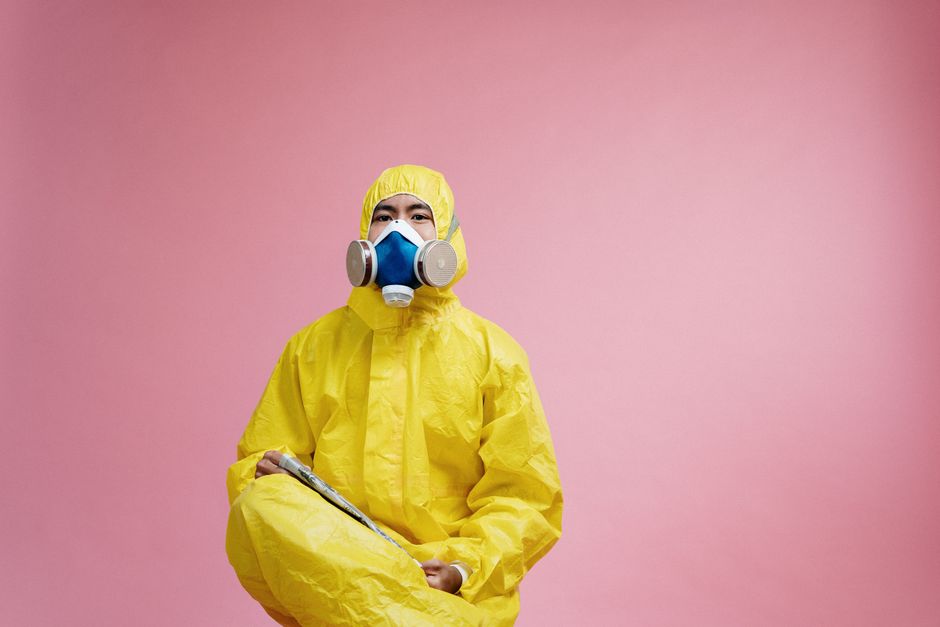
Personal protective equipment creates a barrier between the worker and the hazard. Gloves, masks, gowns, and face shields protect healthcare workers from bloodborne pathogens. Respirators filter airborne particles in high-risk environments.
Vaccination prevents many biological hazards from causing disease. Vaccines exist for hepatitis B, influenza, tetanus, and many other infectious agents. Workplace vaccination programs protect high-risk employees from occupational exposure.
Engineering controls remove the hazard from the environment. Sharps containers safely dispose of needles. Biosafety cabinets contain aerosols in laboratories. Ventilation systems filter airborne pathogens in hospitals.
Decontamination kills or removes biological hazards from surfaces and equipment. Autoclaving uses high-pressure steam to sterilize instruments. Chemical disinfectants like bleach kill bacteria and viruses on surfaces. Proper waste disposal prevents contamination from spreading.
For the general public, common sense precautions reduce risk. Cook food thoroughly, wash hands before eating, avoid contact with wild animals, and seek medical care for persistent fevers or infections. People with weakened immune systems should take extra precautions in crowded or high-risk environments.
What Should You Do After a Biological Hazard Exposure?
Immediate action after exposure can prevent or reduce infection. The correct response depends on the type of exposure and the hazard involved.
For needlestick injuries or blood exposure, wash the area thoroughly with soap and water. Seek medical evaluation immediately. Post-exposure prophylaxis exists for HIV and hepatitis B when started quickly. Healthcare facilities have protocols for occupational exposures that include testing and follow-up care.
For suspected foodborne illness, stay hydrated and monitor symptoms. Most bacterial food poisoning resolves within a few days. Seek medical care if symptoms are severe, last more than three days, or if you belong to a high-risk group.
For airborne exposures, move to fresh air and monitor for respiratory symptoms. If you develop fever, cough, or difficulty breathing after known exposure to an infectious person, contact a healthcare provider. Mention the exposure so they can recommend appropriate testing or treatment.
Report workplace exposures through the proper channels. Employers have legal obligations to document occupational exposures and provide medical follow-up. Acting quickly matters—some post-exposure treatments must begin within hours to be effective.
Frequently Asked Questions
What is the most common biological hazard?
Bacteria and viruses are the most common biological hazards people encounter. They cause everyday illnesses like food poisoning, colds, and the flu.
Is mold a biological hazard?
Yes, mold is a biological hazard because it is a fungus that can cause allergic reactions and respiratory problems. Some molds also produce toxins that are harmful when inhaled over long periods.
Can biological hazards be seen with the naked eye?
Most biological hazards like bacteria and viruses are microscopic and cannot be seen without a microscope. Some fungi, parasites, and contaminated materials are visible, but their presence alone does not indicate the level of danger.
How do you know if a workplace has biological hazards?
Employers are required to identify workplace hazards and provide safety training. Jobs involving healthcare, agriculture, laboratory work, waste handling, or food processing have higher biological hazard risks and should have documented safety protocols.
