
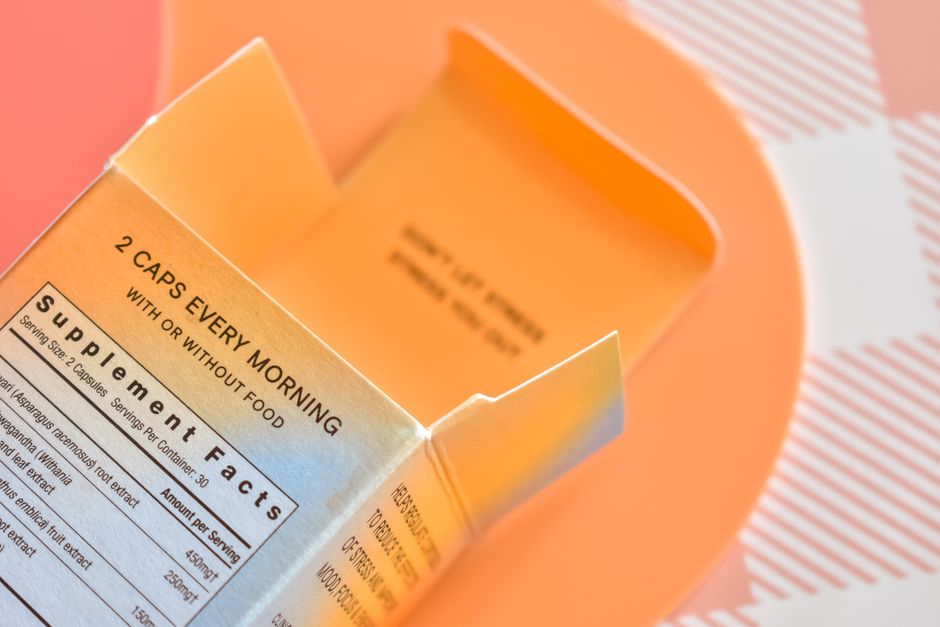
An adrenal cortex supplement is a product made from the outer layer of animal adrenal glands, most commonly from cows or pigs. These supplements are marketed to support energy, reduce fatigue, and help the body manage stress, based on the idea that they contain natural hormones and precursors that can “replenish” tired adrenal glands. The safety of these supplements is not well established, and because they can contain actual hormones, they carry real risks that most people do not expect.
What Are Adrenal Glands and What Does the Cortex Do?
You have two adrenal glands, one sitting on top of each kidney. Each gland has two parts. The inner part, called the medulla, makes adrenaline. The outer part, called the cortex, makes steroid hormones.
The cortex produces three main types of hormones. Cortisol helps regulate blood sugar, blood pressure, and the body’s stress response. Aldosterone helps control sodium and potassium levels, which affects blood pressure. Androgens are sex hormones that play a role in muscle mass, bone health, and libido.
When you take an adrenal cortex supplement, you are consuming dried or processed animal cortex tissue. That tissue may contain trace amounts of these hormones. The amount varies by product and by batch, which is one of the core safety concerns.
What Is An Adrenal Cortex Supplement And Is It Safe?
The direct answer is that no clinical evidence confirms these supplements are safe or effective for human use. The products are sold as dietary supplements, which means they are not reviewed by the FDA for safety or effectiveness before they reach the market. The manufacturer is responsible for the product’s quality, but there is no guarantee that what is on the label matches what is in the bottle.
Because the gland tissue can contain cortisol and other steroid hormones, taking it can affect your body’s own hormone production. The body normally regulates cortisol through a feedback loop involving the brain and the adrenal glands. If you introduce external cortisol-like substances, that feedback loop can be disrupted. Over time, this could potentially suppress your own adrenal function.
The evidence for benefit is also thin. Some practitioners who practice functional or integrative medicine recommend these supplements for “adrenal fatigue,” a condition that mainstream endocrinology does not recognize as a medical diagnosis. There is no standard test for adrenal fatigue, and no large controlled trials have shown that adrenal cortex supplements improve energy or stress resilience.
What Does “Adrenal Fatigue” Mean and Is It Real?
Adrenal fatigue is a term used to describe a collection of symptoms including tiredness, trouble sleeping, brain fog, and salt cravings. The theory is that chronic stress wears out the adrenal glands, leaving them unable to produce enough hormones.
Mainstream medical organizations have not recognized adrenal fatigue as a legitimate diagnosis. The Endocrine Society, which is the professional organization for hormone specialists, has stated that the concept is not supported by scientific evidence. People who feel these symptoms may have real conditions, but the explanation is likely something other than exhausted adrenal glands.
This matters because if a person has genuine adrenal insufficiency, a serious condition where the adrenal glands do not produce enough cortisol, taking a supplement instead of proper medical care can be dangerous. True adrenal insufficiency requires specific hormone replacement therapy and careful medical monitoring. A supplement cannot replace that.





What Are the Actual Risks of Taking These Supplements?
The risks fall into several categories. First, there is the risk of hormone contamination. Since the product is made from animal tissue, it can contain cortisol, corticosterone, and other steroids. The amount is unpredictable. Taking these without medical supervision could lead to symptoms of excess cortisol, including weight gain, high blood pressure, high blood sugar, and mood changes.
Second, there is the risk of suppressing your own adrenal function. If the supplement provides enough cortisol-like activity, your brain may reduce the signals that tell your own adrenal glands to produce cortisol. This is similar to what happens when people take prescription steroids for long periods. If you stop the supplement suddenly, your body may not be able to produce enough cortisol on its own, leading to a withdrawal-like reaction.
Third, there is a contamination risk. Products made from animal glands can carry infectious agents if the animals were not healthy or if the processing was not sterile. The FDA has issued warnings about some glandular products in the past due to contamination concerns.
Fourth, there is the risk of interaction with medications. If you take blood thinners, diabetes medications, or immunosuppressants, adding a product with unpredictable hormone content could interfere with your treatment.
Who Should Definitely Avoid These Supplements?
Certain groups face higher risks and should avoid adrenal cortex supplements entirely. Pregnant women and women who are breastfeeding should not take them because the hormone content could affect the baby. Children should not take them for the same reason.
People with high blood pressure, diabetes, or heart disease should avoid them because cortisol can raise blood pressure and blood sugar. People with a history of mood disorders, especially mania or psychosis, should avoid them because steroids can trigger psychiatric symptoms in susceptible individuals.
Anyone who has been diagnosed with an autoimmune condition should be cautious. Some autoimmune diseases affect the adrenal glands, and adding hormones without medical supervision can complicate the condition.
If you are taking any prescription medication, talk to your doctor before considering this supplement. This is not a case where “natural” means “safe.” The hormones in these products are real and can have real effects.
What Are the Better Alternatives for Fatigue and Stress?
If you are dealing with persistent fatigue, the first step is to get a proper medical evaluation. Fatigue has many causes, including anemia, thyroid disease, sleep apnea, depression, and vitamin deficiencies. A simple blood test can rule out many of these.
For stress management, the evidence is much stronger for lifestyle approaches than for supplements. Regular physical activity, consistent sleep schedules, and mindfulness-based stress reduction have all been studied and shown to help with stress and energy levels. These approaches have no risk of hormone disruption.
Some nutrients have better evidence for supporting energy than adrenal gland extracts. Vitamin D, iron, and B vitamins can help if you are deficient. But you should test for deficiencies first rather than guessing. Taking supplements you do not need does not help and can sometimes cause harm.
Adaptogenic herbs like ashwagandha and rhodiola are sometimes marketed for stress, and some studies suggest modest benefits. But the research is not conclusive, and these herbs can interact with medications. They are safer than adrenal cortex supplements because they do not contain hormones, but they are not risk-free.
How to Talk to Your Doctor About This
If you are considering an adrenal cortex supplement, or if you have already been taking one, be honest with your doctor. Tell them what you are taking, how much, and how long you have been taking it. This is not a time to be embarrassed or to hide information.
Ask for a basic workup. This typically includes a complete blood count, a thyroid panel, and measurements of blood sugar and electrolytes. If your doctor suspects a hormone issue, they can order more specific tests like morning cortisol levels or an ACTH stimulation test. These tests can tell you whether your adrenal glands are actually functioning normally.
If you have been taking the supplement for a long time, do not stop suddenly without talking to your doctor. If the supplement has been suppressing your natural cortisol production, stopping abruptly could cause symptoms of adrenal insufficiency. This is rare, but it is a real risk.
Frequently Asked Questions
Can adrenal cortex supplements cause weight gain?
Yes, if the product contains meaningful amounts of cortisol-like hormones, it can cause fluid retention and fat accumulation, especially around the abdomen. The amount of hormone in these products is not standardized, so the effect varies by product.
Are adrenal supplements the same as prescription cortisol?
No. Prescription cortisol is a purified, precisely dosed medication that is regulated and tested. Adrenal cortex supplements are unregulated animal tissue products with unpredictable hormone content.
How long does it take for adrenal cortex supplements to work?
No clinical studies have established a timeline for benefits because no clinical studies have confirmed that these supplements work at all. If you feel an effect quickly, it may be from the hormone content, which is a safety concern rather than a benefit.
Can I take adrenal cortex supplements with my other medications?
Do not take these supplements with any prescription medication without discussing it with your doctor first. The unpredictable hormone content can interfere with blood pressure medications, diabetes drugs, blood thinners, and immunosuppressants.
