
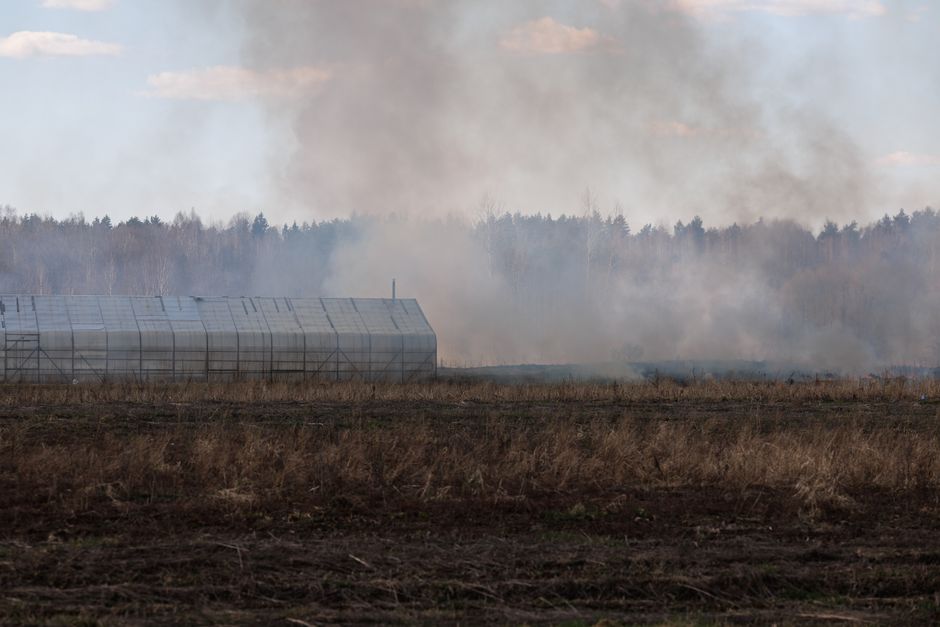
Agricultural pollution is the contamination of our environment caused by farming activities. It happens when fertilizers, pesticides, animal waste, and soil particles enter water, air, and land. The main effects include polluted drinking water, dead zones in oceans, and harmful gases that contribute to climate change.
What Are the Main Causes of Agricultural Pollution?
Farming is essential for feeding the world, but it comes with environmental costs. The biggest cause is the overuse of chemical fertilizers and pesticides. When farmers apply more than crops can absorb, rain washes these chemicals into rivers and lakes.
Animal waste from factory farms is another major source. A single large pig farm can produce more waste than a small city. Unlike human sewage, this waste is often stored in open lagoons that leak or overflow during heavy rain.
Soil erosion from plowing and deforestation also plays a role. When topsoil washes away, it carries pesticides and fertilizers with it. The U.S. Department of Agriculture estimates that erosion removes about 1.7 billion tons of soil from American croplands each year.
Irrigation practices contribute too. Overwatering causes salts and nutrients to build up in soil, which then drain into groundwater. In some regions, this has made drinking water unsafe for decades.
How Does Agricultural Pollution Affect Water Quality?
Water pollution from farms is one of the most serious environmental problems in the United States. The Environmental Protection Agency reports that agriculture is the leading cause of water quality impairment in rivers and streams.
Nitrogen and phosphorus from fertilizers trigger algae blooms. These blooms create “dead zones” where fish and other aquatic life cannot survive. The dead zone in the Gulf of Mexico covers about 6,000 square miles each summer, roughly the size of Connecticut.
Pesticides also contaminate groundwater. A study published in Environmental Science & Technology found that over 20 million Americans rely on groundwater with detectable levels of atrazine, a common herbicide linked to birth defects and hormone disruption.
Animal waste carries bacteria like E. coli and salmonella. When manure reaches drinking water supplies, it can cause serious illness. The CDC estimates that agricultural runoff contributes to over 90,000 cases of waterborne disease each year in the United States.
What Impact Does Farming Have on Air Quality?
Agriculture is a major source of air pollution, though most people do not realize it. The biggest contributor is ammonia gas from animal manure and synthetic fertilizers. Ammonia reacts with other pollutants in the air to form fine particulate matter, which is harmful to human lungs.
Research from the University of Minnesota found that agricultural ammonia causes roughly 17,000 premature deaths each year in the United States. These deaths are linked to heart and lung disease caused by breathing fine particles.
Dust from plowing and harvesting also degrades air quality. In California’s Central Valley, agricultural dust is one of the main reasons the region has some of the worst air pollution in the country.
Burning crop residues is a practice still used in many parts of the world. This releases carbon monoxide, nitrogen oxides, and cancer-causing compounds directly into the air. While less common in the U.S., it remains a serious problem in India and Southeast Asia.





How Does Agricultural Pollution Contribute to Climate Change?
Farming produces three major greenhouse gases: carbon dioxide, methane, and nitrous oxide. Methane comes primarily from livestock digestion and manure storage. Nitrous oxide comes from fertilizer use and is 300 times more potent than carbon dioxide over 100 years.
The Food and Agriculture Organization of the United Nations estimates that agriculture generates about 11% of all human-caused greenhouse gas emissions. When you include land use changes like deforestation for cropland, that number rises to 24%.
Nitrous oxide is the most concerning agricultural emission because it is long-lasting and powerful. A study in Nature Climate Change found that nitrous oxide emissions from agriculture increased by 30% between 1980 and 2020, driven largely by nitrogen fertilizer use.
Methane from livestock is also significant. Cattle produce methane as they digest grass and grain. In the U.S., livestock account for about 25% of all methane emissions. While methane breaks down faster than carbon dioxide, it traps more heat while it lasts.
What Are the Effects on Soil Health and Biodiversity?
Agricultural pollution does not just affect water and air. It also damages the soil that farming depends on. Chemical fertilizers kill beneficial microorganisms that help plants absorb nutrients. Over time, soil becomes less fertile and requires even more chemicals to produce the same yield.
Pesticides harm more than just pests. They kill bees, butterflies, and other pollinators crucial for crop production. The U.S. Geological Survey has found neonicotinoid pesticides in over 60% of streams sampled. These chemicals are directly linked to colony collapse disorder in honeybees.
Herbicides like glyphosate reduce plant diversity in and around farms. This means fewer food sources for birds, insects, and small mammals. A study in the journal Biological Conservation found that farmland bird populations have declined by over 50% in Europe since 1980, largely due to pesticide use and habitat loss.
Soil erosion from farming also destroys habitats. When topsoil washes into streams, it smothers fish spawning grounds and blocks sunlight from reaching aquatic plants. This creates a cascade effect that reduces the entire food web in affected waterways.
What Is Agricultural Pollution Causes and Effects Compared to Other Pollution Sources?
| Pollution Source | Primary Pollutants | Main Effects | Regulation Level |
|---|---|---|---|
| Agriculture | Nitrogen, phosphorus, pesticides, manure, ammonia | Algae blooms, dead zones, air quality harm, soil degradation | Largely unregulated or voluntary |
| Industrial factories | Heavy metals, solvents, toxic chemicals | Cancer, birth defects, ecosystem damage | Strictly regulated under Clean Water Act |
| Urban runoff | Oil, road salt, pet waste, lawn chemicals | Stream pollution, fish kills | Moderately regulated |
| Power plants | Sulfur dioxide, mercury, carbon dioxide | Acid rain, lung disease, climate change | Heavily regulated under Clean Air Act |
What stands out from this comparison is how little agricultural pollution is regulated compared to other sources. Industrial factories must treat their wastewater before releasing it. Power plants have strict emission limits. But farms are largely exempt from these same rules, even though their pollution causes similar or greater harm.
Some states have started taking action. Maryland and Pennsylvania have laws requiring farmers to reduce nutrient runoff into the Chesapeake Bay. But nationwide regulation remains weak and enforcement is inconsistent.
Can Agricultural Pollution Be Reduced Without Hurting Food Production?
Yes, and the evidence is clear. Studies from the University of California, Davis show that farms can reduce fertilizer use by 30% without lowering yields. Precision agriculture technology allows farmers to apply fertilizer only where and when it is needed, rather than spreading it across entire fields.
Cover crops like rye and clover prevent soil erosion and absorb excess nutrients. The USDA Natural Resources Conservation Service has found that cover crops reduce nitrogen runoff by up to 50% on some farms. They also improve soil health over time.
Buffer strips of grass or trees along waterways trap pollutants before they reach rivers. Research from Iowa State University shows that buffer strips remove 50% to 90% of nitrogen and phosphorus from runoff, depending on the width and plant species.
Manure management is improving too. Anaerobic digesters capture methane from animal waste and turn it into energy. This reduces both air pollution and greenhouse gas emissions. Some European countries now require digesters on large pig and dairy farms.
These practices cost money upfront but often pay for themselves through lower input costs and improved crop yields. The problem is not that solutions do not exist. It is that adoption remains slow without stronger incentives or regulations.
Common Misconceptions About Agricultural Pollution
Many people believe organic farming produces no pollution. This is not accurate. Organic farms use approved pesticides that can still harm aquatic life. They also use animal manure, which releases nitrogen and phosphorus just like synthetic fertilizers. The difference is that organic farmers are more restricted in what they can apply, but they are not pollution-free.
Another misconception is that only large factory farms cause pollution. Small farms can also contribute significant pollution if they overapply manure or fail to manage runoff. The key factor is management practices, not farm size.
Some claim that agricultural pollution is a minor problem compared to cars and factories. The data shows otherwise. Agriculture is the single largest source of water pollution in the U.S. and a major contributor to air pollution and greenhouse gas emissions. It is not a minor issue at all.
Finally, many people think that if a product is labeled “biodegradable” or “natural,” it is safe for the environment. This is false. Many natural pesticides like copper sulfate are toxic to fish and soil organisms. “Natural” does not mean harmless, and labeling laws do not require proof of environmental safety.
Frequently Asked Questions
What is the single biggest cause of agricultural pollution?
The overuse of nitrogen and phosphorus fertilizers is the main cause, as rain washes them into waterways where they create algae blooms and dead zones.
Does organic farming cause less pollution than conventional farming?
Organic farming generally produces less pollution per acre, but it still releases nutrients and pesticides into the environment, especially from animal manure.
Can agricultural pollution be reversed?
Some effects like algae blooms can be reversed within years if nutrient inputs stop, but groundwater contamination can take decades to clear out naturally.
How does agricultural pollution affect human health directly?
It contaminates drinking water with nitrates and bacteria, and releases fine particles into the air that cause lung and heart disease.
