
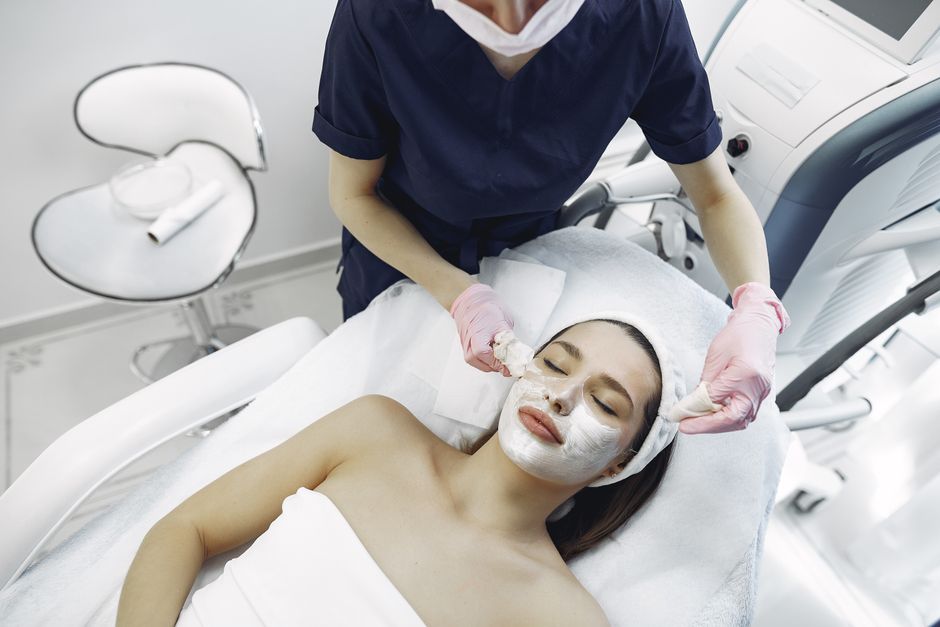
Aesthetic dermatology focuses on improving how your skin looks. It is different from medical dermatology, which treats conditions like skin cancer, severe acne, and infections. Aesthetic treatments address wrinkles, uneven skin tone, sun damage, and volume loss. These procedures are elective, meaning they are chosen for cosmetic reasons rather than medical necessity. The field combines medical knowledge with cosmetic goals, and the best practitioners use both to keep your skin healthy and natural-looking.
What Is Aesthetic Dermatology Treatments Explained?
Aesthetic dermatology treatments are non-surgical or minimally invasive procedures designed to improve the appearance of your skin. These treatments work on the skin’s surface, deeper layers, or the structures beneath it. Common examples include injectables like Botox and fillers, laser and light therapies, chemical peels, microneedling, and prescription-strength topical products. The goal is to address visible signs of aging, sun exposure, and genetic factors without the downtime of traditional surgery.
Unlike cosmetic surgery, which involves incisions and longer recovery, aesthetic dermatology is typically performed in an office setting. Most treatments take under an hour. Some have no downtime at all, while others may cause a few days of redness or peeling. The results range from temporary, lasting months, to longer-lasting effects that require maintenance sessions.
It is important to understand that these are medical procedures, not spa services. A qualified dermatologist or trained medical professional should perform them. The skin is an organ, and improper technique or unregulated products can cause real harm, including burns, scarring, and infection.
What Are the Most Common Aesthetic Dermatology Treatments?
Injectables are the most widely used aesthetic treatments. Botulinum toxin injections, commonly known as Botox, temporarily relax the facial muscles that cause expression lines. These are the lines across your forehead, between your eyebrows, and around your eyes. The effect typically lasts three to four months, and the treatment takes about ten minutes.
Dermal fillers are another category of injectables. They restore volume that is lost as we age. Fillers can plump the lips, soften deep folds like the nasolabial folds, and restore fullness to the cheeks. Most fillers are made of hyaluronic acid, a substance naturally found in the body. Results last anywhere from six months to two years, depending on the product and the area treated.
Laser and light therapies treat a range of issues. Some lasers target pigmentation problems like age spots and melasma. Others address redness and broken blood vessels. Fractional lasers stimulate collagen production to improve texture and fine lines. Intense pulsed light, or IPL, is a related technology that treats redness and sun damage.
Chemical peels use acids to exfoliate the outer layers of skin. Light peels improve dullness and mild discoloration. Deeper peels address more significant sun damage and wrinkles but require more recovery time. The strength of the peel determines both the results and the downtime.
Microneedling uses tiny needles to create controlled micro-injuries in the skin. This triggers the body’s natural healing response and stimulates collagen and elastin production. It improves the appearance of scars, enlarged pores, and fine lines. When combined with radiofrequency energy, it can also tighten skin.
How Do These Treatments Actually Work?
Each treatment works through a different mechanism. Botox works by blocking the nerve signals that tell muscles to contract. When the muscle cannot move, the skin above it smooths out. The effect is temporary because the body eventually creates new nerve endings and the muscle regains movement.
Hyaluronic acid fillers work by attracting and holding water molecules in the skin. This creates immediate volume and hydration. Over time, the body gradually breaks down the hyaluronic acid, which is why repeat treatments are needed to maintain results.
Lasers work by delivering specific wavelengths of light that are absorbed by different targets in the skin. Pigment absorbs certain wavelengths, which breaks up dark spots. Hemoglobin absorbs other wavelengths, which seals off broken blood vessels. Fractional lasers create columns of thermal damage in the skin, which triggers a wound-healing response that produces new collagen.
Chemical peels work by dissolving the bonds between dead skin cells. This allows the outer layer to shed, revealing fresher skin underneath. Deeper peels reach into the dermis, the living layer of skin, where they stimulate new collagen production.
Microneedling works by physically puncturing the skin. These micro-wounds signal the body to send healing factors to the area. The result is increased collagen and elastin, which improves skin texture and firmness over several weeks.





What Results Can You Realistically Expect?
Results vary significantly by treatment and by individual. Botox results are visible within three to seven days and last three to four months. The effect is a reduction in dynamic wrinkles, which are lines that appear when you make facial expressions. It does not treat fine lines at rest.
Fillers give immediate results. You will see a difference right after the injection, though some initial swelling may mask the final outcome. The final result settles within one to two weeks. The longevity depends on the product and the area. Areas that move a lot, like the lips, tend to break down filler faster than static areas like the cheeks.
Laser treatments usually require a series of sessions. Most people need three to five treatments spaced several weeks apart for optimal results. The skin continues to improve for several months after the final session as new collagen forms. Some redness and swelling are normal for a few days after each treatment.
Chemical peels produce gradual improvement. A single light peel may give your skin a temporary glow, but a series is needed for lasting change. Deeper peels produce more dramatic results but require a week or more of visible peeling and redness.
Microneedling results develop over time. You may notice some improvement after one session, but most protocols call for three sessions. The skin continues to improve for up to six months after the final treatment.
No treatment stops the aging process. Maintenance sessions are required to sustain results. There is no evidence that any aesthetic treatment permanently changes your skin’s aging trajectory.
What Are the Risks and Side Effects?
Every medical procedure carries some risk. The most common side effects are temporary and mild. These include redness, swelling, bruising, and tenderness at the treatment site. Most resolve within a few days.
Botox risks include temporary drooping of the eyelid or eyebrow if the toxin spreads to nearby muscles. This is uncommon with an experienced injector and resolves on its own within a few weeks. Headaches can occur in the first 24 hours after treatment.
Filler risks include lumps, asymmetry, and overcorrection. Most of these are correctable or resolve on their own. A rare but serious risk is vascular occlusion, where filler is accidentally injected into a blood vessel. This can block blood flow and cause tissue death. It requires immediate medical attention. Choosing a qualified injector reduces this risk significantly.
Laser risks include burns, hyperpigmentation, and hypopigmentation. Darker skin tones are at higher risk for pigment changes. An experienced provider will adjust the laser settings based on your skin type. Sun exposure before or after treatment increases the risk of complications.
Chemical peel risks depend on the depth of the peel. Light peels rarely cause problems. Deeper peels carry risks of scarring, infection, and permanent pigment changes. These require careful patient selection and aftercare.
Infection is possible with any procedure that breaks the skin. This is why it is critical to choose a clean, reputable medical facility rather than a spa or unlicensed provider.
Who Is a Good Candidate?
Most healthy adults are candidates for aesthetic treatments. There is no specific age requirement. Some people start preventive treatments in their late twenties, while others begin in their sixties. The right timing depends on your skin, your concerns, and your goals.
Good candidates have realistic expectations. They understand that these treatments improve appearance but do not create perfection. They also understand that results are temporary and require maintenance.
Certain conditions may make you a poor candidate. Pregnancy and breastfeeding are general contraindications for most aesthetic procedures due to lack of safety data. Active skin infections, autoimmune diseases, and bleeding disorders require careful evaluation. If you take blood thinners, you may need to pause them before treatment, but only under the guidance of your prescribing doctor.
Your skin type matters. Some lasers and peels are safer and more effective on certain skin tones. An experienced dermatologist will assess your skin and recommend appropriate treatments. If a provider offers the same treatment to everyone regardless of skin type, that is a red flag.
How Much Do These Treatments Cost?
Costs vary widely by geographic location, provider expertise, and the specific treatment. Botox is typically priced per unit. Fillers are priced per syringe. Lasers and peels are priced per session. Microneedling is also priced per session.
These are out-of-pocket expenses. Insurance does not cover elective cosmetic procedures. Some practices offer membership plans or package pricing for multiple sessions. Financing options are sometimes available.
Do not choose a provider based on price alone. The cheapest option is not the safest or most effective. Likewise, the most expensive is not always the best. Credentials, experience, and a thorough consultation matter more than cost.
How Do You Choose a Provider?
Look for a board-certified dermatologist or a plastic surgeon with specific training in aesthetic procedures. Some nurse practitioners and physician assistants also perform these treatments under physician supervision. Verify their credentials and ask about their experience with the specific treatment you want.
Ask to see before-and-after photos of their actual patients. Ask about complications and how they handle them. A good provider will be honest about risks and will not pressure you into treatment.
Beware of deals that seem too good to be true. Discounted Botox may be diluted or counterfeit. Fillers sold at steep discounts may be fake or incorrectly stored. These products can cause serious harm. If a price is significantly lower than the market rate, ask why.
A proper consultation should include a skin assessment, a discussion of your goals, and a clear explanation of the treatment, its risks, and expected results. If a provider skips the consultation and moves straight to treatment, leave.
Frequently Asked Questions
Are aesthetic dermatology treatments painful?
Most treatments involve some discomfort but are generally well tolerated. Numbing creams, ice, and vibrating devices are used to minimize pain, and most procedures take under an hour.
How long do aesthetic dermatology results last?
Botox lasts three to four months, fillers last six months to two years, and laser and microneedling results can last a year or more with proper skin care. All results are temporary and require maintenance sessions.
Can aesthetic treatments be combined in one visit?
Yes, many providers combine treatments like Botox, fillers, and lasers in a single session. This is often called a liquid facelift or a combination treatment, but your provider should assess your skin before recommending a specific plan.
Is there any downtime after aesthetic procedures?
Injectable treatments like Botox and fillers have little to no downtime, though bruising may occur. Lasers, peels, and microneedling may cause several days of redness, swelling, or peeling depending on the intensity of the treatment.
