
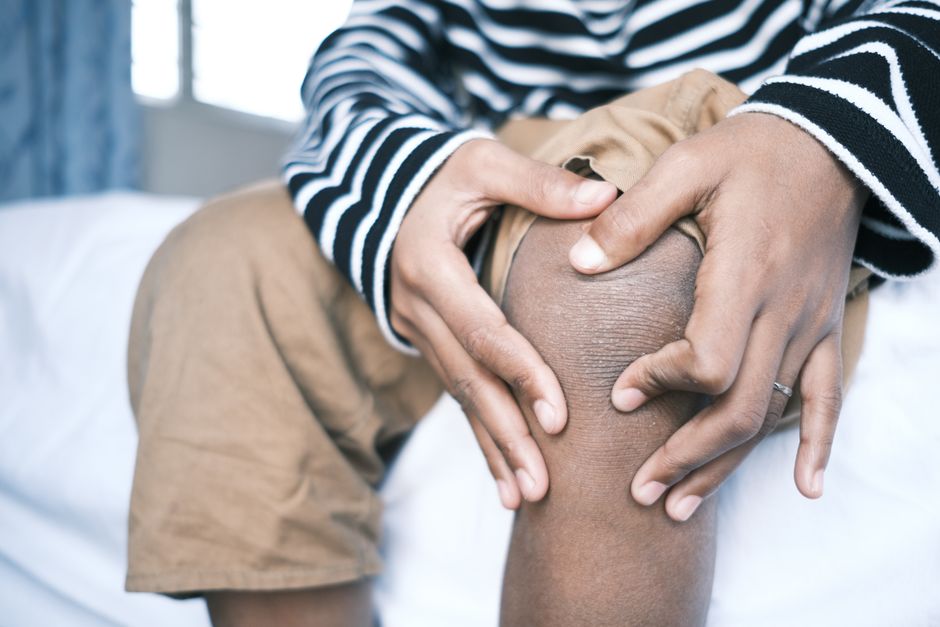
An ACL injury is a tear or sprain of the anterior cruciate ligament, one of the major ligaments in the knee. This strong band of tissue connects your thigh bone to your shin bone and keeps your knee stable. ACL injuries are common in sports that involve sudden stops, jumps, or changes in direction, and they range from mild stretches to complete tears.
What Is ACL Injury Of The Knee? Definition
The anterior cruciate ligament runs diagonally through the middle of the knee. It prevents the shin bone from sliding too far forward and controls rotation of the knee. When this ligament tears, the knee becomes unstable and can give way during activity. About 200,000 ACL injuries occur in the United States each year, with a large portion happening during athletic activity.
ACL injuries are graded by severity. A Grade 1 sprain means the ligament is stretched but still intact. A Grade 2 sprain is a partial tear where the ligament is loose. A Grade 3 sprain is a complete tear, meaning the ligament is split into two pieces. Most ACL injuries that require surgery are Grade 3 tears.
How Does An ACL Tear Happen?
Most ACL tears do not involve direct contact. They happen when an athlete plants a foot and suddenly twists, stops, or changes direction. Landing awkwardly from a jump is another common cause. Basketball, soccer, football, and skiing account for many of these injuries.
Non-contact injuries make up roughly 70 percent of ACL tears. The ligament tears when the knee rotates inward while the foot stays planted. This creates a force that the ACL cannot withstand. Direct blows to the knee can also cause tears, but this is less common.
Some people are at higher risk than others. Female athletes tear their ACLs at higher rates than male athletes in the same sports. Researchers believe differences in muscle strength, joint laxity, and movement patterns contribute to this gap. Previous ACL injuries also raise the risk of tearing the ligament again.
What Does An ACL Tear Feel Like?
Many people hear or feel a “pop” at the moment of injury. The knee swells quickly, often within a few hours. Pain can be severe, and putting weight on the leg becomes difficult. The knee may feel like it is giving out or buckling.
Swelling happens because the ligament has a rich blood supply that bleeds into the joint when torn. This distinguishes an ACL tear from a meniscus tear, which often causes swelling more slowly. The knee may also feel stiff, and you may lose the ability to fully straighten or bend it.
Not everyone has the same experience. Some people with complete tears feel surprisingly little pain after the initial injury. The defining feature is instability — the knee simply does not feel secure when you move. If the knee gives way during daily activities like walking downstairs, the ACL is likely torn.





How Is An ACL Injury Diagnosed?
A doctor will start with a physical exam. The Lachman test is the most reliable manual test for ACL tears. The doctor bends your knee slightly and pulls the shin bone forward. If it moves too far, the ACL is likely damaged. The pivot shift test checks for rotational instability and is also highly specific for ACL tears.
An MRI is the imaging test of choice. It shows the ligament directly and can reveal partial versus complete tears. MRI also identifies damage to other structures in the knee, such as the meniscus or the medial collateral ligament. About half of all ACL tears occur alongside meniscus injuries.
X-rays cannot show ligaments, but doctors often order them to rule out bone fractures. In some cases, an ACL tear pulls a small piece of bone away with it. This is called an avulsion fracture and may change the treatment approach.
Treatment Options: Surgery Versus Rehabilitation
Not every ACL tear requires surgery. The decision depends on your age, activity level, and how unstable the knee feels. A person who plays pivoting sports will likely need surgery to return to play safely. Someone with a less active lifestyle may do well with physical therapy alone.
Non-surgical treatment focuses on strengthening the muscles around the knee. Strong hamstrings and quadriceps can compensate for a missing ACL. Many people manage complete tears this way and live active lives without surgery. The key is rebuilding neuromuscular control so the knee does not give way.
Surgery involves reconstructing the ligament, not repairing it. A torn ACL cannot be stitched back together because the tissue quality is too poor. Surgeons replace it with a graft taken from the patient’s own hamstring or patellar tendon, or from a donor. The graft acts as a scaffold for a new ligament to grow.
Recovery from ACL surgery takes time. Most people use crutches for several weeks and attend physical therapy for six to twelve months. Returning to full sports participation typically takes nine months or longer. Rushing the return increases the risk of reinjury.
What Is Involved In ACL Rehabilitation?
Rehabilitation follows a structured progression regardless of whether you have surgery. The early phase focuses on reducing swelling and restoring full knee extension. You will work on activating your quadriceps muscle, which often shuts down after injury.
As healing progresses, therapy shifts to rebuilding strength and balance. Exercises progress from simple leg lifts to squats, lunges, and jumping. The final phase trains the knee for sport-specific movements like cutting and pivoting. This phase is critical because it retrains your brain and muscles to protect the knee during sudden movements.
Physical therapy is not optional. Studies consistently show that people who complete formal rehabilitation have better outcomes than those who do not. The therapy program typically lasts six months minimum, and many people continue strengthening exercises indefinitely to protect the knee.
Can ACL Injuries Be Prevented?
Prevention programs reduce the risk of ACL tears, particularly in athletes. These programs focus on proper landing technique, balance training, and strengthening the hamstrings and glutes. Neuromuscular training teaches the body to avoid positions that put the ACL at risk.
The FIFA 11+ program and similar warm-up routines have shown meaningful reductions in ACL injury rates. These programs take about 20 minutes and replace the standard warm-up before practice or games. They are most effective when performed consistently throughout the season.
No prevention program eliminates the risk entirely. Some ACL tears happen from contact or from awkward landings that no training can fully prevent. But the evidence is strong that structured prevention programs lower injury rates by a meaningful margin.
What Happens If An ACL Injury Goes Untreated?
An untreated ACL tear does not heal on its own. The ligament lacks the blood supply needed for repair. The knee remains unstable, and this instability can damage other structures over time.
The most significant long-term concern is osteoarthritis. People with ACL tears develop arthritis at higher rates than those without, even after successful surgery. The initial injury damages the cartilage, and ongoing instability accelerates the wear. This is true regardless of treatment choice.
Some people function well without surgical reconstruction. They avoid pivoting activities and keep their leg muscles strong. Others find the instability unacceptable and choose surgery even if they are not athletes. The right choice depends on your goals and how your knee responds to rehabilitation.
Frequently Asked Questions
How long does it take to recover from an ACL tear?
Recovery takes six to twelve months for surgical reconstruction, with a return to sports typically around nine months. Non-surgical recovery varies but usually takes three to six months of rehabilitation.
Can you walk on a torn ACL?
Many people can walk on a torn ACL once the initial swelling subsides, but the knee may feel unstable. Walking on a straight leg is usually possible, while twisting or pivoting motions are difficult.
Is ACL surgery always necessary?
No, surgery is not always necessary. People with low activity levels or strong leg muscles can sometimes manage with rehabilitation alone, though the knee may remain unstable during pivoting movements.
What is the difference between an ACL tear and an ACL sprain?
A sprain is a stretch or partial tear of the ligament, while a tear usually refers to a complete rupture. Both are graded on the same scale, with Grade 3 being a complete tear.
