
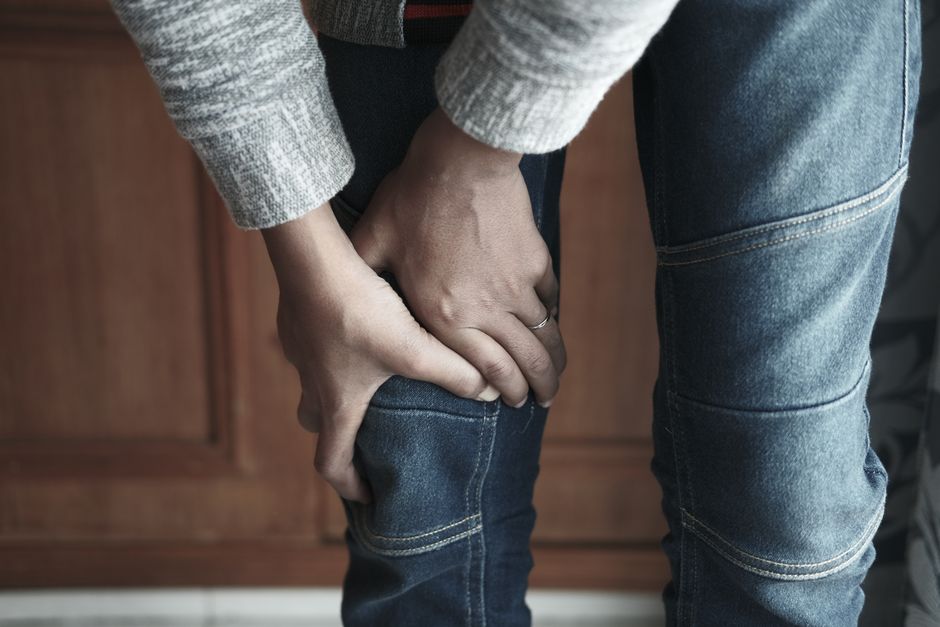
A stress fracture in the knee is a small crack in the bone caused by repeated force, not a single sudden injury. It happens when the knee bone can’t keep up with the demands placed on it, leading to pain that worsens with activity and improves with rest. The condition is treatable, but it requires patience because the bone needs time to heal completely.
What Is A Stress Fracture In The Knee Symptoms And Care?
A stress fracture is an overuse injury. The bones in your knee, mainly the femur (thigh bone) and tibia (shin bone), are constantly rebuilding themselves. When you run, jump, or walk long distances, that activity creates microscopic damage in the bone. Normally, the body repairs this damage faster than it occurs. But when the activity outpaces the repair, the damage accumulates and a crack forms.
The pain usually starts gradually. It may feel like a dull ache during exercise that fades when you stop. Over time, the pain starts earlier in the workout, lasts longer after you finish, and eventually may hurt even when you are resting. Swelling around the knee is common, and the area may feel tender when you press on it.
Care for a stress fracture is straightforward but strict. The bone needs relative rest — meaning you stop the activity that caused the injury. That often means no running or jumping for six to eight weeks. Some people need crutches to take weight off the knee. In rare cases, surgery is required, but most stress fractures heal with rest alone.
How Do You Know If Knee Pain Is a Stress Fracture?
You cannot diagnose a stress fracture by feel alone. The symptoms overlap with other knee problems like tendinitis, bursitis, or a torn meniscus. The key difference is that a stress fracture produces pain that is very localized — you can often point to the exact spot with one finger. The pain is also directly tied to weight-bearing activity.
A doctor will start with a physical exam and ask about your activity history. They may press on the bone to find the tender spot. X-rays are often the first imaging test, but stress fractures frequently do not show up on X-rays for several weeks after symptoms begin. If the X-ray is normal but the doctor still suspects a stress fracture, an MRI is the most reliable way to confirm it. MRIs can detect the bone changes that indicate a stress fracture even in the early stages.
What Causes a Stress Fracture in the Knee?
Stress fractures come from repetitive loading. The most common cause is a sudden increase in training volume, intensity, or frequency. Runners who increase their mileage too quickly are at high risk. Jumping sports like basketball and volleyball also put heavy repeated force through the knee.
Several factors raise your risk beyond training errors:
- Low bone density — weaker bones crack more easily. This includes people with osteoporosis or osteopenia.
- Poor nutrition — low calcium or vitamin D intake weakens bone structure.
- Hormonal changes — irregular menstrual periods in women are linked to lower bone density and higher fracture risk.
- Improper footwear — worn-out shoes lose shock absorption.
- Muscle fatigue — tired muscles absorb less impact, so more force transfers directly to bone.
Some research suggests that biomechanical issues like flat feet or leg length differences may contribute, but the evidence is not strong enough to say these are direct causes. The primary driver is almost always a mismatch between training load and recovery time.





How Long Does a Knee Stress Fracture Take to Heal?
Most knee stress fractures heal in six to eight weeks. This is not a fixed timeline. Healing depends on the severity of the crack, your overall health, and how strictly you follow the rest plan. Some people heal in four weeks. Others need twelve or more.
Returning to activity too soon is the biggest mistake. The bone may feel fine because the pain has subsided, but the structural strength may not be fully restored. If you resume running before the bone has adequately healed, you risk turning a small crack into a complete fracture that requires surgery.
Your doctor will guide your return. Typically, you need to be completely pain-free during daily activities before you start any exercise. The return to sport is gradual — often starting with walking, then light jogging, then full training. The rule is simple: if it hurts, you are doing too much too soon.
What Is the Best Treatment for a Knee Stress Fracture?
Rest is the treatment. There is no medication that speeds up bone healing. Pain relievers like ibuprofen or acetaminophen can help you stay comfortable, but they do not fix the fracture. In fact, relying on pain medication to push through activity is dangerous because it masks the warning signal.
The standard care plan includes:
- Activity modification — stop the activity that caused the injury. This is non-negotiable.
- Weight-bearing restrictions — some fractures require crutches. Your doctor will decide based on the location and severity.
- Ice — apply ice to the knee for 15-20 minutes several times a day to reduce swelling.
- Cross-training — swimming and cycling are usually safe because they do not put impact through the knee. Check with your doctor first.
- Nutrition — ensure adequate calcium and vitamin D intake. This supports bone repair but does not replace rest.
Some clinicians recommend using a bone stimulator — a device that uses electromagnetic waves to promote healing. The evidence for these devices is mixed. They may help in certain cases, particularly for fractures that are slow to heal, but they are not a substitute for rest. No large clinical trials have confirmed they speed up healing in knee stress fractures specifically.
Can You Walk on a Knee Stress Fracture?
Walking is allowed if it does not cause pain. The key is listening to your body. If walking hurts, you need crutches or a walking boot to reduce the load on the bone. If walking is pain-free, it is generally safe to continue at a normal pace.
This is a point of confusion for many people. A stress fracture is not like a broken bone that snaps completely. The bone is still intact enough to bear some weight. But that does not mean you should push through pain. Pain is the bone telling you it is overloaded. Ignoring it delays healing and increases the risk of the fracture worsening.
A good rule: if you feel pain while walking, stop and rest. If you are pain-free, you can walk but should avoid long distances, hills, and uneven terrain until your doctor clears you.
How Is a Knee Stress Fracture Different From a Knee Sprain?
A sprain involves ligaments — the tough bands that connect bone to bone. A stress fracture involves the bone itself. The distinction matters because the treatment differs.
Sprains cause pain with certain movements, especially twisting. The pain is often on the sides of the knee. Stress fractures cause pain with weight-bearing, and the pain is usually on the front of the knee or directly over the bone. Swelling may be present in both, but stress fractures often have pinpoint tenderness when you press on the bone.
If you are unsure which injury you have, see a doctor. Treating a stress fracture like a sprain — by continuing to exercise through the pain — can make the injury significantly worse.
When Should You See a Doctor for Knee Pain?
See a doctor if knee pain lasts more than a week, if it worsens with activity, or if you have swelling that does not go down. You should also seek medical attention if you cannot put weight on the leg or if the pain is severe enough to disrupt sleep.
Delaying care does not make a stress fracture go away. It makes it worse. Early diagnosis means a shorter recovery and a lower risk of complications. If you have risk factors like low bone density or a history of stress fractures, do not wait — get evaluated early.
Frequently Asked Questions
Can a knee stress fracture heal on its own?
Yes, most knee stress fractures heal on their own with rest and activity modification. The bone repairs itself over six to eight weeks, but you must stop the activity that caused the injury.
What does a knee stress fracture feel like?
It feels like a deep, localized ache that worsens with weight-bearing activity and improves with rest. You can often point to the exact spot of pain, and the area may be tender to the touch.
Do you need surgery for a knee stress fracture?
Surgery is rare and only needed for severe fractures that do not heal with rest. Most stress fractures resolve with conservative care like rest, crutches, and gradual return to activity.
Can you run with a stress fracture in the knee?
No, running with a stress fracture is not safe. Continuing to run prevents healing and can turn the small crack into a complete fracture that may require surgery.
